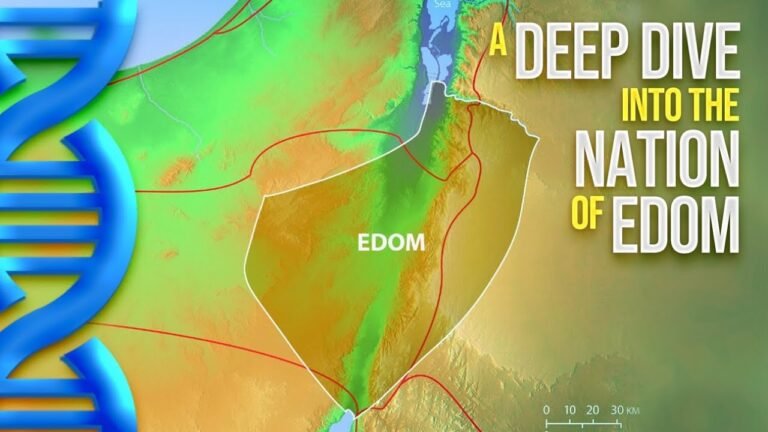
Exploring the Legacy of Édom
Nestled in the heart of the ancient world, Édom stands as a testament to the rich tapestry of history and culture that has shaped our understanding of civilization. Once a thriving kingdom known for its strategic trade routes and mineral wealth, Édom’s influence extended far beyond its borders, intertwining with the stories of neighboring lands. Today, its archaeological remains and historical significance invite exploration, revealing secrets of a bygone era that continue to captivate scholars and adventurers alike. Join us as we delve into the fascinating legacy of Édom, uncovering the mysteries that lie within its sands.
What is the significance of Édom in history?
Édom, an ancient kingdom, is significant for its trade routes, biblical references, and conflicts with Israel, influencing regional politics and culture in the ancient Near East.
Which modern country corresponds to ancient Edom?
Edom, an ancient kingdom known for its strategic location and rich resources, primarily occupied the regions that are now part of southern Jordan and Israel. This historical territory is steeped in significance, with references to Edom found in various written sources dating back to the late Bronze Age and Iron Age. The remnants of its culture and influence can still be traced in the archaeological sites that dot this landscape.
Today, the legacy of Edom continues to captivate historians and archaeologists alike, as they explore its impact on the broader narrative of the Levant. The fusion of Edomite history with the modern nations of Jordan and Israel illustrates the enduring connection between ancient civilizations and contemporary societies, offering insights into the region’s complex past and cultural evolution.
Was Edom included in Israel?
Edom, located to the southeast of Israel and Judah, plays a notable role in biblical history, often regarded as a brother nation due to its ancestral ties to Jacob and Esau, the sons of Isaac and Rebekah. This ancient territory, now home to the stunning archaeological site of Petra in modern-day Jordan, highlights the rich cultural and historical connections between these regions. The relationship between Edom and Israel/Judah reflects a complex interplay of kinship and rivalry, illustrating the intricate tapestry of ancient Near Eastern civilizations.
Where can Edom and Moab be found today?
Edom and Moab, once prominent kingdoms in ancient Palestine, are now regions in modern-day Jordan. Moab, situated east of the Dead Sea, was bordered by Edom to the south and the land of the Amorites to the north. The Moabites, known for their close ties and frequent conflicts with the Israelites, played a significant role in the historical landscape of the area. Today, remnants of their ancient cultures can still be explored amid the stunning landscapes of west-central Jordan.
Unveiling the Mysteries of an Ancient Civilization
Deep within the arid landscapes and dense jungles of the past, an ancient civilization once thrived, leaving behind a tapestry of stories etched in stone and vibrant murals. Archaeologists have recently uncovered remarkable artifacts that shed light on the daily lives, rituals, and advanced knowledge of this enigmatic society. From intricate pottery adorned with symbolic motifs to sophisticated agricultural tools that hint at their innovative farming techniques, each discovery paints a clearer picture of a culture that harmonized with its environment and thrived in its complexities.
As researchers delve deeper into the remnants of this civilization, they are piecing together a narrative that challenges long-held assumptions about human development. The sophistication of their architectural marvels, along with their intricate trade networks, suggests a level of social organization and technological advancement previously unrecognized. By examining these relics, we not only gain insights into their way of life but also reflect on the enduring legacy of human ingenuity that continues to inspire us today.
Tracing the Footsteps of Édom’s Influence
Édom, a region steeped in ancient history, has left an indelible mark on the cultures that surrounded it. Located in the southern part of modern-day Jordan, Édom was not merely a geographical entity but a crucible of trade and interaction. Its strategic position along the trade routes connecting Arabia, Egypt, and the Levant allowed for the exchange of goods, ideas, and customs, shaping the development of neighboring civilizations. The Edomites, known for their resilience and craftsmanship, played a pivotal role in this vibrant tapestry, influencing everything from agriculture to architecture.
As we delve deeper into the remnants of Édom’s past, it becomes clear that its impact reached far beyond its borders. The intricate pottery and advanced metallurgical practices unearthed at archaeological sites serve as testament to the region’s innovative spirit. Moreover, the Edomite interactions with Israelite and Nabatean cultures fostered a unique blend of traditions, evident in the religious practices and artistic expressions of the time. This cultural synergy not only enriched the Edomites’ own heritage but also left lasting impressions on their neighbors, highlighting the interconnectedness of ancient societies.
Today, the legacy of Édom continues to resonate, inviting us to explore its historical significance. Modern scholars and archaeologists are uncovering new findings that shed light on the complexities of Edomite society and its contributions to the broader narrative of the ancient Near East. By tracing the footsteps of Édom’s influence, we gain valuable insights into the dynamics of trade, culture, and community that shaped this pivotal region. The story of Édom is not just a tale of a forgotten civilization; it is a reminder of the enduring connections that bind us through time and history.
Echoes of Édom: A Journey Through Time
In the heart of a land steeped in history, the echoes of Édom resonate with tales of ancient civilizations and enduring legacies. This journey invites explorers to traverse the rugged landscapes that once cradled thriving communities, where trade routes flourished and cultures intertwined. Each step taken along the timeworn paths reveals remnants of a rich past, from intricate rock carvings to the ruins of grand edifices, inviting contemplation of those who walked before.
As the sun sets over the majestic mountains, the shadows cast upon the earth seem to whisper secrets of resilience and transformation. Visitors are not just witnesses to history; they become part of a living narrative that continues to evolve. Through the vibrant local traditions and the stories passed down through generations, the spirit of Édom transcends time, reminding us of the intricate tapestry of human experience that connects us all.
The Cultural Riches of Édom Explored
Nestled in the heart of ancient landscapes, Édom stands as a testament to a vibrant tapestry of cultural heritage and historical significance. This region, once a thriving hub for trade and commerce, showcases a remarkable blend of influences from neighboring civilizations, reflected in its art, architecture, and traditions. From the intricately carved rock faces of Petra to the enduring customs of its communities, Édom offers a captivating glimpse into the lives of those who shaped its legacy. As explorers and historians delve into its past, the stories of resilience and innovation continue to illuminate the profound impact of this extraordinary land on the broader narrative of human civilization.
From Ruins to Revelations: Édom’s Story
In the heart of a once-thriving kingdom, the remnants of Édom lay scattered like forgotten echoes of a glorious past. The crumbling structures and faded inscriptions tell tales of resilience, a civilization that flourished amidst adversity. As archaeologists meticulously sift through the sands of time, each discovery unveils not just artifacts, but profound insights into the lives of those who called this place home. The layers of history reveal a tapestry woven with struggles, triumphs, and an unwavering spirit that refuses to be extinguished.
Emerging from the shadows of its decline, Édom’s story transforms into one of hope and renewal. The newfound understanding of its culture sheds light on the connections between past and present, inspiring communities to embrace their heritage. As modern explorers and historians collaborate to preserve this legacy, the echoes of Édom resonate with a powerful message: from ruins can arise revelations that illuminate the path forward. In celebrating its history, we not only honor those who came before us but also ignite a collective vision for a future enriched by the lessons of the past.
The legacy of Édom serves as a powerful reminder of the intricate tapestry of human history, where cultures, conflicts, and identities intertwine. Understanding Édom not only enriches our knowledge of the ancient world but also invites us to reflect on the enduring impact of these narratives in shaping contemporary societies. As we continue to explore these stories, we uncover the timeless lessons they offer, urging us to embrace our shared humanity and learn from the past.