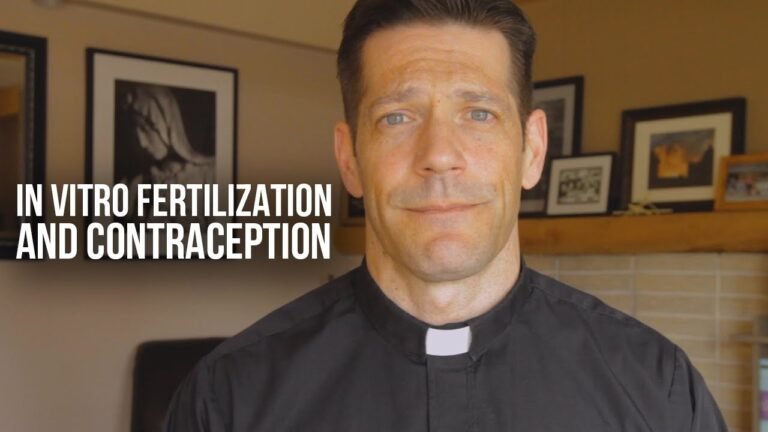
Navigating IVF Within Catholic Beliefs
In a world where advancements in reproductive science continue to challenge traditional beliefs, the intersection of IVF and Catholicism sparks profound discussions among theologians, medical professionals, and hopeful parents. While in vitro fertilization offers a path to parenthood for many struggling with infertility, it raises complex ethical questions within the Catholic community. This article delves into the nuances of IVF as viewed through the lens of Catholic teachings, exploring the delicate balance between faith, morality, and the desire for family.
Is IVF compatible with Catholic beliefs?
The Catholic Church opposes IVF because it separates procreation from marital act and can involve embryos being frozen or discarded, conflicting with its teachings on the sanctity of life.
- Ethical Concerns: The Catholic Church teaches that IVF raises moral issues, particularly regarding the sanctity of life and the potential for embryo destruction.
- Natural Law: Catholic doctrine emphasizes the importance of procreation occurring within the context of marital love, which IVF may conflict with.
- Alternatives: The Church encourages couples facing infertility to consider natural family planning methods or adoption as morally acceptable options.
- Church Guidance: Couples seeking IVF are often advised to seek guidance from their parish or a Catholic bioethicist to understand the Church’s position.
- Compassionate Care: While the Church opposes IVF, it advocates for compassionate support for couples struggling with infertility, promoting understanding and pastoral care.
Is it possible for a Catholic to undergo IVF?
In vitro fertilization (IVF) poses a significant ethical dilemma for Catholics, as the Church teaches that it fundamentally contradicts the sanctity of life and the divine purpose of procreation. The process is seen as separating conception from the marital act, reducing the creation of life to a clinical procedure, which undermines the inherent dignity of the child. The Church emphasizes that a child is not merely a product to be manufactured but a unique human being with an immortal soul, deserving of respect from the moment of conception. This teaching encourages couples to explore alternative paths to parenthood that align with their faith and values.
What alternatives to IVF are available within Catholic teachings?
In the realm of reproductive health, many couples face the challenge of infertility and seek solutions that align with their values. For those adhering to Catholic teachings, the quest for morally acceptable alternatives to in vitro fertilization (IVF) becomes paramount. The emphasis is often placed on techniques that honor the dignity of human life and uphold the sanctity of marriage.
One prominent alternative gaining recognition is the Creighton Model FertilityCare System. This approach focuses on understanding and monitoring the natural signs of fertility, empowering couples to work with their bodies rather than resorting to artificial interventions. By using this method, couples can identify underlying health issues and seek to restore natural fertility through education and medical support.
The Creighton Model not only offers a pathway to conception that aligns with Catholic values but also fosters deeper communication and collaboration between partners. By prioritizing natural fertility, couples may find a more holistic approach to family planning that respects both their beliefs and their desire to conceive. This method underscores the importance of life, love, and intimacy in the journey toward parenthood.
Is it possible for an IVF baby to be baptized in the Catholic Church?
In the Catholic Church, the sacrament of baptism is open to all infants, regardless of how they were conceived. Canon law explicitly states that there is no distinction between babies conceived naturally and those conceived through in vitro fertilization. This inclusivity reflects the Church’s commitment to the sanctity of life, affirming that every child, including those born through IVF, is welcomed into the faith community through baptism.
Finding Harmony: IVF Practices Aligned with Catholic Teachings
In the pursuit of family, many couples facing infertility seek solutions that honor both their desire for children and their faith. In vitro fertilization (IVF) can be a complex issue within Catholic teachings, but there are practices that align with these beliefs. By focusing on methods that respect the sanctity of life, such as avoiding embryo freezing and ensuring that fertilization occurs through natural means, couples can navigate their journey towards parenthood while remaining true to their values.
Additionally, integrating spiritual support into the IVF process can enhance the experience for couples. Engaging with faith-based counseling and participating in prayer can provide comfort and guidance during challenging times. By fostering a connection between their fertility journey and their spiritual beliefs, couples can find a path that not only respects their faith but also embraces the profound joy of new life. This harmonious approach to IVF allows for a fulfilling family-building experience without compromising deeply held convictions.
Faith and Fertility: A Catholic Perspective on IVF
In the realm of reproductive technology, in vitro fertilization (IVF) has emerged as a beacon of hope for many couples struggling with infertility. However, from a Catholic perspective, this medical advancement raises profound ethical questions. The Church teaches that human life begins at conception, and each embryo holds inherent dignity. As such, the moral implications of creating embryos outside the womb and the potential for selective reduction or freezing pose significant concerns for believers, who must navigate the delicate balance between longing for a child and adhering to their faith.
Catholic teachings emphasize the sanctity of life and the importance of natural procreation. The Church advocates for methods that respect the marital union and the divine plan for family creation, encouraging couples to explore alternatives such as natural family planning or adoption. Engaging in open dialogue with spiritual advisors can help couples reconcile their desires with their faith, fostering a deeper understanding of God’s will in their lives. This guidance can be invaluable in the journey of faith and fertility, as it helps couples align their reproductive choices with their spiritual beliefs.
Ultimately, the Catholic perspective on IVF challenges individuals to reflect on the meaning of parenthood and the value of life itself. Couples are called to consider not only their personal aspirations but also the broader implications of their choices within the framework of their faith. By embracing this holistic approach, they can find comfort and clarity in their path forward, ensuring that their pursuit of parenthood is rooted in love, respect, and a commitment to the teachings of the Church.
Balancing Hope and Doctrine: IVF in the Catholic Context
In the context of Catholic teachings, the discussion surrounding in vitro fertilization (IVF) often highlights a delicate balance between hope for parenthood and adherence to doctrinal principles. Many couples facing infertility view IVF as a beacon of hope, offering the possibility of fulfilling their dreams of having children. However, the Catholic Church emphasizes the sanctity of procreation, advocating for approaches that honor the natural process of conception. This tension between the desire for a family and the moral implications of assisted reproductive technologies creates a complex landscape for individuals seeking guidance.
Navigating this moral terrain requires a nuanced understanding of both the emotional and theological dimensions involved. While the Church recognizes the profound longing for children, it also calls for ethical considerations regarding the means of achieving conception. Couples are encouraged to explore alternatives that align with their faith, such as natural family planning or adoption, fostering a sense of hope that respects their spiritual beliefs. In this way, the journey towards parenthood can remain rooted in the values of love and respect for life, ensuring that faith and hope coexist harmoniously within the Catholic perspective on IVF.
Guided Choices: IVF Journey Through Catholic Lens
Navigating the journey of in vitro fertilization (IVF) can be both exciting and challenging, especially for those guided by Catholic principles. Couples often find themselves balancing their deep desire for parenthood with the ethical considerations rooted in their faith. This path encourages thoughtful reflection on the sanctity of life, the dignity of the reproductive process, and the importance of openness to life in every decision made. By fostering a supportive community and seeking guidance from faith leaders, couples can explore IVF options while remaining aligned with their spiritual values, transforming their struggle into a profound journey of hope and love.
Navigating the complexities of IVF within the Catholic framework invites a rich dialogue between faith and science. As more couples seek assistance in building their families, understanding the Church’s teachings alongside advancements in reproductive technology becomes essential. Embracing compassion and informed decision-making, individuals can find a path that honors their beliefs while exploring the possibilities of parenthood. The journey may be challenging, but it also offers profound opportunities for growth, reflection, and connection.