The Significance of 666 in Culture and Belief
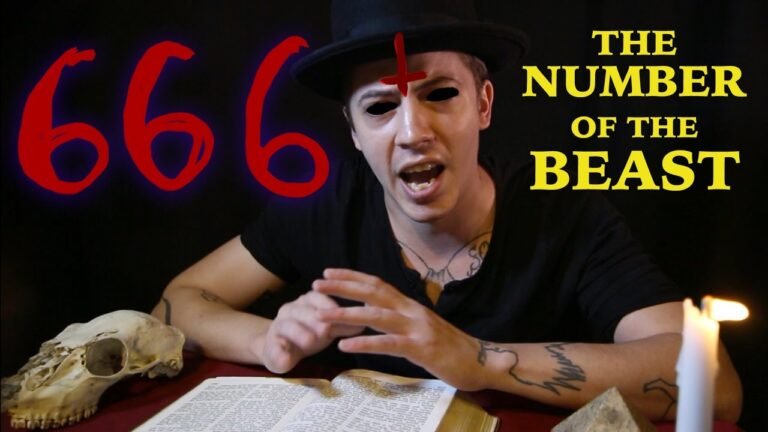
In the realm of superstition and symbolism, the number 666 has long captivated the imagination, often associated with the mysterious and the macabre. Known as the Number of the Beast, it evokes a blend of fear and intrigue, appearing in religious texts and popular culture alike. This enigmatic figure raises questions about its origins, interpretations, and the psychological impact it has on society. As we delve into the significance of 666, we uncover the layers of meaning that have shaped its reputation throughout history and its continued relevance in today’s world.
What is the significance of the number 666?
The number 666 is frequently linked to the biblical “number of the beast,” which has contributed to its negative connotations throughout history. While many view it with fear or superstition, this perspective overshadows its deeper significance. Instead of a symbol of evil, 666 can be interpreted as a call for introspection, encouraging individuals to reassess their life choices and spiritual journey.
When you come across 666 in your daily life, it acts as a gentle nudge to refocus your energy and intentions. This number serves as a reminder that it’s essential to align your thoughts and actions with your true purpose. Rather than dismissing it as a harbinger of doom, consider it an opportunity for reflection and growth.
Ultimately, 666 invites us to embrace its message of awareness and transformation. By recognizing its spiritual implications, we can turn a potentially unsettling symbol into a catalyst for positive change. In this light, 666 encourages us to cultivate mindfulness and seek clarity, guiding us toward a more meaningful existence.
What does the symbol 666 represent?
The symbol 666 has transcended its biblical origins to become a prominent emblem of the Antichrist and the devil in modern popular culture. It evokes a powerful response, resonating deeply within apocalyptic Christian groups while also finding a place in various anti-Christian subcultures. This duality highlights the number’s ability to provoke intrigue and fear, making it a captivating subject in discussions surrounding good and evil.
What number is referred to as the devil’s number in the Bible?
In the Bible, the infamous number associated with the devil is 666, often referred to as the number of the beast. This chilling designation appears in Revelation 13:18, where it invites those with wisdom to discern its meaning, emphasizing that it represents both a beast and a man. The number 666 has sparked intrigue and speculation throughout history, symbolizing the ultimate embodiment of evil and serving as a warning of the moral and spiritual challenges faced by humanity.
Unraveling the Mystique of a Number
Throughout history, certain numbers have captivated both the mind and the imagination, weaving intricate tales of significance and symbolism. The number seven, for instance, appears across cultures as a beacon of luck, spirituality, and completeness, from the seven wonders of the ancient world to the seven days of the week. Its presence in religion, folklore, and mathematics suggests a universal resonance that transcends time and geography, inviting us to explore the deeper meanings that lie within. As we delve into the mystique of this number, we uncover a tapestry of beliefs and connections that reflect our shared human experience, reminding us that even the simplest figures can hold profound insights into our lives.
From Superstition to Symbolism
Throughout history, the transition from superstition to symbolism has profoundly shaped cultural narratives and beliefs. Where once ominous omens dictated daily life, these fears gradually transformed into rich symbols that convey deeper meanings and shared values. For instance, the black cat, once feared as a harbinger of bad luck, now often represents mystery and independence, embodying the complexities of human experience. This evolution highlights our capacity to reinterpret our fears and uncertainties, turning them into powerful symbols that enrich our understanding of the world and ourselves. As societies continue to grow and change, these transformations remind us of the enduring power of perspective in shaping our collective psyche.
The Crossroads of Fear and Fascination
At the intersection of fear and fascination lies a realm where our deepest curiosities collide with our primal instincts. This duality manifests in countless forms, from the thrill of horror films that leave us breathless to the allure of unexplored landscapes that beckon adventurers into the unknown. It is here, in this tantalizing space, that we confront our vulnerabilities while simultaneously seeking the excitement of discovery. Each heartbeat quickens as we navigate the delicate balance between wanting to flee and yearning to explore, revealing the intricate dance of human nature that thrives on both trepidation and wonder.
666: A Cultural Journey Through Time
The number 666, often associated with superstition and fear, has a rich and complex history that transcends its ominous reputation. Rooted in biblical texts, it has evolved into a symbol that has sparked intrigue across various cultures and eras. From ancient numerology to modern interpretations in literature and film, 666 serves as a mirror reflecting societal fears and beliefs. This cultural journey unveils how a single number can encapsulate themes of good versus evil, morality, and the human psyche.
As we traverse through time, 666 reveals itself not just as a figure of dread but also as a catalyst for creativity and discourse. Artists, musicians, and writers have drawn inspiration from its enigmatic allure, transforming it into a motif that challenges conventions and provokes thought. Whether seen in the context of religious symbolism or popular culture, the narrative of 666 continues to evolve, inviting exploration and discussion about its multifaceted significance in our world.
The number 666 has long been shrouded in mystery and intrigue, captivating minds across cultures and generations. Whether seen as a symbol of evil or a misunderstood figure in religious texts, its impact on art, literature, and popular culture is undeniable. As we continue to explore its significance, the conversation around 666 encourages deeper reflection on our beliefs, fears, and the stories we tell. Ultimately, this enigmatic number serves as a powerful reminder of the complexities of human thought and the narratives that shape our understanding of the world.