The Power of the Act of Contrition Prayer
In times of reflection and repentance, the act of contrition prayer serves as a powerful tool for seeking forgiveness and reconciliation with God. This ancient prayer, rooted in humility and penitence, guides believers in expressing sorrow for their sins and committing to a path of spiritual renewal. Join us as we delve into the significance and impact of the act of contrition prayer in the journey towards grace and redemption.
Can you explain the traditional Act of Contrition?
The traditional Act of Contrition is a heartfelt prayer expressing remorse for offending God and a firm resolution to avoid sinning again. It acknowledges the just punishment for sins and recognizes God’s goodness and love. With the help of God’s grace, one commits to turning away from sin and staying away from situations that may lead to sin. Amen.
What is the updated Act of Contrition?
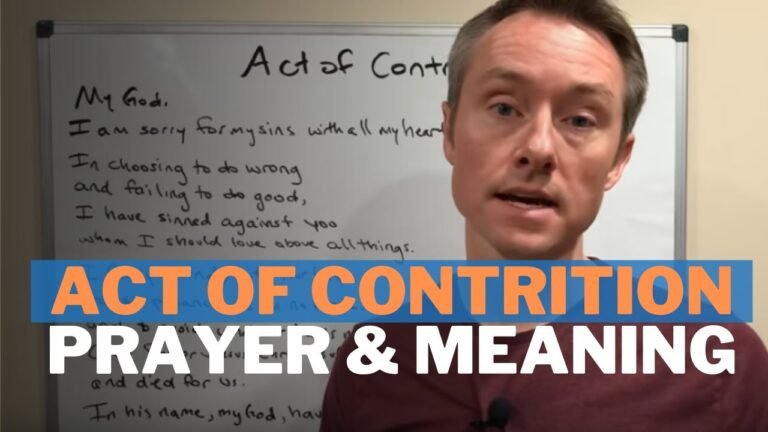
The new version of the Act of Contrition, also known as the alternate form, expresses a deep sense of remorse and a sincere desire for forgiveness. It begins with a heartfelt apology to God for all sins committed, acknowledging the choice to do wrong and the failure to do good. The prayer also includes a firm intention to seek penance, avoid sin, and strive to follow the path of righteousness with the help of God.
This updated version of the Act of Contrition in English captures the essence of genuine repentance and a commitment to spiritual growth. It serves as a powerful and concise prayer for seeking God’s forgiveness and grace, while also acknowledging the need for personal accountability and a willingness to change for the better.
What is the abbreviated version of the Act of Contrition?
Simplified form of the Act of Contrition: O my God, I am sorry for my sins because I have offended you. I know I should love you above all things. Help me to do penance, to do better, and to avoid anything that might lead me to sin.
Finding Forgiveness Through Contrition
Forgiveness is a powerful force that can bring healing and restoration to our relationships and inner peace. It requires genuine contrition, a deep sense of remorse and regret for our actions. By acknowledging our mistakes and seeking to make amends, we can open the door to forgiveness and move forward with a clean conscience.
Contrition involves taking responsibility for our actions and acknowledging the harm we have caused. It requires us to reflect on our behavior and understand the impact it has had on others. Through sincere contrition, we can show our willingness to change and make things right, paving the way for forgiveness and reconciliation.
Finding forgiveness through contrition is a transformative process that allows us to grow and learn from our mistakes. It encourages us to be more mindful of our actions and their consequences, fostering a greater sense of empathy and understanding. By embracing contrition, we can create a pathway towards healing and ultimately find peace within ourselves and with others.
A Path to Redemption: Act of Contrition Explained
In the Catholic faith, the Act of Contrition is a prayer that expresses remorse for one’s sins and asks for forgiveness from God. It is a crucial step on the path to redemption, as it demonstrates a sincere desire to make amends and seek reconciliation. By reciting the Act of Contrition, believers acknowledge their mistakes and commit to changing their ways, paving the way for spiritual renewal and growth.
The Act of Contrition is a powerful tool for self-reflection and repentance, guiding individuals towards a deeper understanding of their actions and their consequences. Through this prayer, Catholics are encouraged to take responsibility for their sins, seek forgiveness, and strive for a more virtuous life. By humbly admitting their faults and asking for God’s mercy, believers can experience a profound sense of liberation and peace, knowing that they are on the path to redemption.
Ultimately, the Act of Contrition serves as a bridge between sin and salvation, offering a way for believers to reconcile with God and with themselves. It is a humbling and transformative practice that reminds individuals of their inherent imperfections and their constant need for divine grace. By embracing the Act of Contrition as a regular part of their spiritual journey, Catholics can find solace in the knowledge that God’s mercy is always available to those who seek it with a contrite heart.
Transforming Guilt into Grace with Prayer
Feeling burdened by guilt? Transform it into grace with the power of prayer. Through prayer, you can seek forgiveness, gain perspective, and find the strength to move forward. By surrendering your guilt to a higher power, you can experience a sense of relief and renewal, allowing grace to replace the heavy weight of guilt in your heart. With each prayer, you can release the past and embrace a future filled with hope and forgiveness.
Prayer has the remarkable ability to shift our focus from self-condemnation to self-compassion. When we turn to prayer, we invite a sense of peace and healing into our lives, allowing grace to permeate every aspect of our being. As we lift our concerns to a divine source, we can find the courage to forgive ourselves and others, ultimately transforming guilt into grace. Through the practice of prayer, we can find solace and strength, and begin to live with a newfound sense of freedom and grace.
Discovering Healing and Hope through Contrition
In moments of humility and self-reflection, we can uncover the power of contrition to bring healing and hope into our lives. By acknowledging our mistakes and expressing genuine remorse, we open the door to forgiveness and reconciliation. Through the process of contrition, we can release the burden of guilt and shame, and embrace a renewed sense of peace and clarity.
As we navigate the journey of self-forgiveness and growth, contrition serves as a guiding light that leads us towards redemption and transformation. By facing our shortcomings with humility and a willingness to change, we pave the way for healing to take place within ourselves and in our relationships with others. Through the practice of contrition, we discover the profound healing and hope that comes from owning up to our mistakes and committing to a path of growth and renewal.
In times of reflection and repentance, the Act of Contrition prayer serves as a powerful tool for seeking forgiveness and renewal of spirit. By humbly acknowledging our shortcomings and expressing genuine remorse, we open ourselves to the healing grace of God. Through the words of this prayer, we are reminded of the limitless mercy and compassion that awaits us, inspiring us to strive for a life of greater virtue and righteousness. May the Act of Contrition guide us towards a path of spiritual growth and reconciliation, leading us to a deeper connection with our faith and a renewed sense of peace within our hearts.