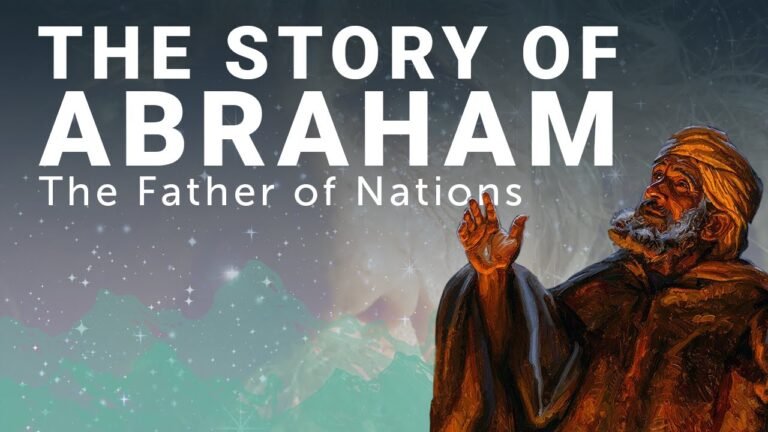
Understanding the Meaning of Ancient of Days
The phrase Ancient of Days carries profound significance, rooted in religious texts and spiritual traditions. Often associated with the divine, it symbolizes timelessness, wisdom, and authority, evoking imagery of a powerful figure who transcends the constraints of time. This evocative term invites exploration into its origins, interpretations, and the rich cultural contexts that have shaped its meaning throughout history. Understanding the Ancient of Days not only deepens our appreciation for its spiritual weight but also connects us to the enduring quest for meaning and continuity in the human experience.
What is the meaning of Ancient of Days in the Bible?
The term “Ancient Of Days” conveys the timeless and eternal nature of God, emphasizing His role as the ultimate observer of all creation. This title illustrates that God exists outside the confines of time, possessing an intimate knowledge of every event throughout history. He does not require intermediaries or secondhand accounts to understand the actions and thoughts of humanity, as He is present at the beginning and end of all things.
By referring to God as the “Ancient Of Days,” the Bible underscores His sovereignty and omniscience. This designation serves as a reminder of His unchanging nature, offering comfort and assurance that He remains a constant presence in a world marked by change and uncertainty. As the firsthand witness to all events, God’s perspective is unparalleled, providing believers with the confidence that their lives and histories are known and valued by an eternal Creator.
Who are Lord God and the Ancient of Days?
Lord God, often referred to as the Ancient of Days, embodies timelessness and omniscience, being a witness to all of history. This title signifies a divine authority that transcends time, highlighting God’s unique position as the creator and sustainer of the universe. In the Book of Daniel, the imagery of the Ancient of Days emphasizes not only God’s eternal nature but also His sovereignty over all earthly kingdoms.
The climax of Daniel 7 illustrates a profound transition of power from God to Jesus, marking a pivotal moment in the divine narrative. This transfer symbolizes the fulfillment of divine prophecy and the establishment of Jesus’ eternal kingdom. Together, these concepts reinforce the belief in a God who is intimately involved in the unfolding of history, guiding humanity towards a divine purpose.
What is the tale of the Ancient of Days?
The “Ancient of Days” is a profound figure depicted in the Book of Daniel, symbolizing the eternal and sovereign nature of God. In Daniel chapter 7, this title appears three times, emphasizing the timelessness and authority of the divine. Here, Daniel recounts a vision granted to him by God, revealing the unfolding of future events and the ultimate triumph of good over evil. The imagery evokes a sense of majesty and wisdom, as the Ancient of Days presides over the cosmic drama of history.
As Daniel describes his vision, he is taken beyond the physical realm, offering a glimpse into the spiritual truths that govern the universe. This moment serves as a reminder of the divine oversight in human affairs, assuring believers of God’s control amidst chaos. The narrative not only highlights the significance of prophecy but also reinforces the idea of hope and justice, as the Ancient of Days stands as a beacon of light in an often tumultuous world.
Unraveling the Mysteries of Time and Eternity
Time, an ever-flowing river, shapes our lives and experiences, drawing us forward into the unknown. Each tick of the clock marks a moment that is both fleeting and profound, reminding us that every second is a precious fragment of our existence. As we navigate through the complexities of our daily routines, we often overlook the deeper significance of time—its ability to connect us to our past while urging us to embrace the present. The mysteries of time invite us to reflect on our journeys, urging us to find meaning in the rhythm of life.
Eternity, in contrast, stands as a boundless horizon, a concept that transcends our limited perception of time. It challenges us to think beyond the constraints of our mortal experiences, opening our minds to the infinite possibilities that lie ahead. By contemplating eternity, we can cultivate a sense of purpose that extends beyond our immediate desires, allowing us to appreciate the interconnectedness of all things. In unraveling the mysteries of both time and eternity, we find a deeper understanding of our place in the universe, inspiring us to live with intention and gratitude.
A Journey Through Historical Significance
The tapestry of history is woven with threads of remarkable events and transformative figures that have shaped the world we live in today. From the rise and fall of empires to the quiet resilience of everyday individuals, each moment serves as a testament to human ingenuity and perseverance. As we journey through this rich narrative, we uncover not only the grand tales of conquest and discovery but also the subtle nuances of cultural evolution and social change. This exploration invites us to reflect on the lessons of the past, inspiring a deeper understanding of our present and a more hopeful vision for the future.
The Symbolism Behind the Ancient Figure
Throughout history, ancient figures have served as powerful symbols, embodying the beliefs, values, and aspirations of the cultures that created them. These figures often reflect humanity’s quest for meaning, representing ideals such as strength, wisdom, and resilience. By examining their intricate designs and the contexts in which they were crafted, we can uncover the profound messages embedded within these artifacts. Each sculpture, carving, or painting tells a story that transcends time, inviting us to reflect on our own existence and the legacies we wish to leave behind.
The significance of these ancient figures extends beyond their aesthetic appeal; they often serve as conduits for spiritual and philosophical exploration. Many cultures believed that these representations held the power to connect the earthly realm with the divine, acting as intermediaries that facilitated communication with higher powers. This belief imbued the figures with a sense of purpose, as they were not merely decorative but integral components of rituals and ceremonies. The symbolism found in their forms and postures invites us to consider our own relationships with the sacred and the mysteries of life.
Moreover, these ancient figures continue to inspire modern interpretations and adaptations, demonstrating their enduring relevance. Artists, historians, and scholars draw from these rich sources to explore contemporary themes of identity, culture, and spirituality. In an ever-evolving world, the symbolism behind these figures reminds us that the quest for understanding and connection is timeless. As we engage with these artifacts, we are encouraged to delve deeper into our own narratives and the shared human experience that binds us across ages and civilizations.
Connecting Past Wisdom to Modern Insights
Throughout history, humanity has amassed a wealth of knowledge, often encapsulated in the teachings of ancient philosophers, spiritual leaders, and cultural traditions. These insights have shaped societies, offering guidance on ethics, community, and the human experience. As we navigate the complexities of modern life, revisiting these timeless principles can provide us with a grounding perspective, reminding us of the values that have endured through generations.
In today’s fast-paced world, the pressures of technology and rapid change can feel overwhelming. However, by integrating the wisdom of the past with contemporary understanding, we can cultivate resilience and clarity. Concepts such as mindfulness, community support, and ethical living—which have stood the test of time—offer practical frameworks for addressing current challenges. They invite us to slow down, reflect, and reconnect with what truly matters.
Ultimately, merging historical wisdom with modern insights creates a rich tapestry of knowledge that empowers us to lead more meaningful lives. By embracing these connections, we can foster a deeper sense of purpose and cultivate a future that honors the lessons of yesterday while innovating for tomorrow. This harmonious blend not only enhances individual well-being but also strengthens our communities, paving the way for a more thoughtful and compassionate society.
Exploring the Legacy of Ancient Interpretations
Throughout history, ancient civilizations have left rich legacies that continue to shape our understanding of the world. From the philosophical musings of Greek thinkers to the spiritual insights of Eastern traditions, these interpretations provide a window into the values and beliefs that guided their societies. By studying these ancient texts and artifacts, we uncover not only the intellectual pursuits of these cultures but also their responses to fundamental human questions about existence, morality, and the cosmos.
The influence of these ancient interpretations reverberates through time, inspiring countless generations of scholars, artists, and thinkers. The works of Plato and Aristotle, for example, laid the groundwork for Western philosophy, while Eastern texts like the Tao Te Ching offer profound wisdom on harmony and balance. This cross-pollination of ideas illustrates how ancient insights have transcended borders, enriching various fields such as science, literature, and ethics. As we delve deeper into these legacies, we recognize the interconnectedness of human thought across different cultures and epochs.
Today, the legacy of ancient interpretations serves as a vital foundation for contemporary discourse. As we grapple with complex global challenges, revisiting these time-honored perspectives can provide guidance and inspiration. By embracing the wisdom of the past, we can cultivate a more nuanced understanding of our present and future. In doing so, we honor the intellectual heritage of those who came before us and reaffirm the enduring relevance of their insights in navigating the complexities of modern life.
The phrase Ancient of Days embodies a profound concept that transcends time, evoking a sense of eternal wisdom and divine authority. Its rich historical and spiritual significance invites us to reflect on the nature of existence and the mysteries of creation. By exploring its meaning, we not only gain insight into ancient texts but also enrich our understanding of the timeless themes that resonate through human experience. This exploration beckons us to delve deeper into our own beliefs and the enduring questions of life, reminding us that some ideas are truly ageless.