Exploring the Different Types of Angels in the Bible
In the rich tapestry of biblical literature, angels serve as divine messengers and protectors, each type embodying unique characteristics and roles. From the mighty Seraphim, who surround God’s throne, to the compassionate Guardian Angels assigned to watch over individuals, the diversity of angel types in the Bible offers profound insights into the spiritual realm. Exploring these celestial beings not only deepens our understanding of scripture but also enhances our appreciation for the intricate relationships between heaven and earth. Join us as we delve into the fascinating world of angel types in the Bible, uncovering their significance and the messages they bring.
What are the nine types of angels mentioned in the Bible?
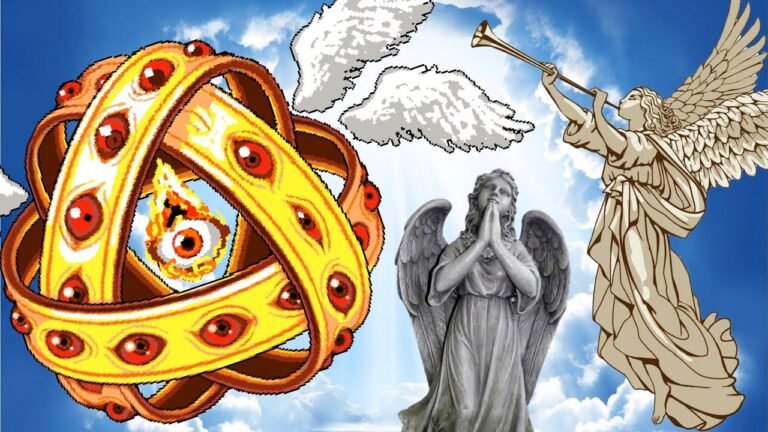
In the heavenly hierarchy outlined in the Bible, nine distinct types of angels play vital roles in the divine order. At the top, the majestic Seraphim, Cherubim, and Dominions surround the throne, exuding purity and wisdom. Below them, the Principalities, Thrones, and Archangels serve as guardians and messengers, while the Virtues and Powers embody strength and guidance. This celestial organization not only illustrates the grandeur of creation but also emphasizes the unique responsibilities assigned to each angelic order, reflecting a profound connection between the divine and the earthly realms.
What are the names of the seven biblical angels?
In the rich tapestry of biblical lore, the concept of angels plays a vital role, particularly through the mention of seven significant archangels. These celestial beings are often highlighted for their unique responsibilities and powerful presence. Chapter 20 of the Book of Enoch identifies them as Michael, Raphael, Gabriel, Uriel, Sariel, Raguel, and Remiel, each serving a distinct purpose in the divine hierarchy.
Michael stands as a protector and warrior, known for his role in spiritual battles, while Raphael is celebrated for his healing abilities. Gabriel, often seen as a messenger, delivers divine revelations, whereas Uriel is associated with wisdom and enlightenment. The additional archangels, Sariel, Raguel, and Remiel, further enrich this celestial ensemble, overseeing various aspects of creation and human affairs.
The Life of Adam and Eve corroborates the significance of these archangels, listing Michael, Gabriel, Uriel, Raphael, and Joel among their ranks. This consistency across texts underscores the importance of these figures in both the Old and New Testament traditions, highlighting their enduring influence in theological discussions and spiritual practices throughout history.
Who are the twelve angels of God?
The realm of celestial beings is illuminated by the twelve notable Archangels, each intricately linked to the zodiac signs. Ariel guides those born under Aries, while Chamuel watches over Taurus. For Gemini, Zadkiel offers wisdom, and Gabriel nurtures Cancer. Leo finds inspiration in Raziel, whereas Metatron supports the analytical nature of Virgo. Jophiel brings harmony to Libra, while Jeremiel provides insight for Scorpio. Raguel encourages the adventurous spirit of Sagittarius, and Azrael comforts Capricorn. Uriel inspires the innovative Aquarius, and Sandalphon embraces the creative souls of Pisces. Together, these Archangels form a divine connection with humanity, resonating through the stars.
Unveiling Celestial Beings: A Deep Dive into Biblical Angels
Throughout the pages of the Bible, angels emerge as powerful celestial beings, serving as messengers and protectors of divine will. These heavenly figures, often depicted with radiant beauty and awe-inspiring presence, bridge the gap between the earthly realm and the divine. From the comforting visits of Gabriel to the fierce warriors like Michael, angels embody a unique blend of grace and strength, reminding humanity of the spiritual forces at play in the universe. Their roles extend beyond mere appearances; they offer guidance, deliver prophecies, and intervene in pivotal moments, showcasing their integral part in the biblical narrative.
As we delve deeper into the nature and significance of these celestial beings, we uncover a rich tapestry of symbolism and purpose. Each angel carries a distinct message, often reflecting the attributes of God they represent—love, justice, mercy, and protection. Through their interactions with key figures in the Bible, angels illuminate the path of faith and inspire believers to seek a deeper connection with the divine. By understanding the essence of these heavenly messengers, we can better appreciate their role as intermediaries between God and humanity, offering hope and reassurance in times of uncertainty.
The Divine Hierarchy: Understanding Angelic Roles in Scripture
In the intricate tapestry of scripture, angels serve as divine messengers and guardians, each occupying a distinct role within the celestial hierarchy. These spiritual beings are often depicted as intermediaries between the divine and humanity, delivering guidance, protection, and sometimes, profound revelations. From seraphim, who bask in the glory of God, to archangels like Michael and Gabriel, who carry out significant missions, each type of angel embodies a unique facet of God’s will and purpose. Their roles highlight the importance of divine order and the ways in which the heavenly realm interacts with our earthly existence.
Understanding the roles of angels not only enriches our spiritual perspective but also invites us to reflect on our own lives and the unseen forces that guide us. By recognizing the presence of these celestial beings, we can cultivate a deeper sense of faith and connection to the divine. The stories of angelic interventions throughout scripture remind us that we are never alone; rather, we are surrounded by a hierarchy of support and love that transcends our understanding. Embracing this divine hierarchy allows us to navigate life’s challenges with the assurance that we are watched over by forces far greater than ourselves.
From Messengers to Warriors: The Multifaceted Nature of Angels in the Bible
Angels in the Bible serve a profound dual role, functioning as both messengers of God and formidable warriors in the spiritual realm. Their primary task is to convey divine messages, guiding humanity toward God’s purpose and will. From the announcement of Jesus’ birth to the guidance given to prophets, these celestial beings exemplify a direct connection between heaven and earth, illustrating how divine communication shapes human destiny.
However, the angelic role extends beyond mere communication; they are also depicted as powerful warriors engaged in spiritual battles. Throughout scripture, angels like Michael the Archangel fight against the forces of evil, portraying a vivid picture of the cosmic struggle between good and evil. This aspect of their nature emphasizes that angels are not only protectors but also active participants in maintaining divine order, illustrating the seriousness of spiritual warfare in the biblical narrative.
The multifaceted nature of angels reveals a rich tapestry of their involvement in both the heavenly and earthly realms. Their ability to transition between roles as messengers and warriors underscores the complexity of their existence and purpose. By embodying both guidance and strength, angels remind us of the continuous presence of divine intervention in our lives, urging us to recognize the spiritual dimensions of our existence and the ongoing battle for our souls.
The diverse angel types in the Bible not only enrich our understanding of the spiritual realm but also invite us to explore the profound messages they convey. Each type, from the protective archangels to the humble messengers, serves a unique purpose in God’s plan, reminding us of the intricate connection between the divine and human experiences. Embracing these celestial beings’ roles can inspire us to seek guidance, find comfort, and appreciate the unseen forces that shape our lives.