Exploring the Power of Bible Imagery
Bible imagery serves as a powerful lens through which readers can explore profound spiritual truths and moral lessons. Rich in symbolism and vivid descriptions, these visual elements not only enhance the narrative but also invite deeper reflection on faith and human experience. From the tranquil beauty of pastoral scenes to the dramatic intensity of prophetic visions, Bible imagery captures the imagination, bridging the ancient with the contemporary. This article delves into the significance and impact of these striking images, revealing how they continue to resonate in modern spirituality and art.
Advantages
- Enhanced Understanding: Bible imagery provides vivid visual representations that can deepen comprehension of complex theological concepts and narratives, making them more relatable and memorable.
- Emotional Connection: The use of rich imagery in biblical texts evokes strong emotions, allowing readers to engage with the stories on a personal level and fostering a sense of spiritual connection.
- Creative Inspiration: Bible imagery serves as a source of inspiration for artists, writers, and musicians, encouraging the exploration of themes such as faith, redemption, and love through various creative expressions.
Disadvantages
- Misinterpretation: Bible imagery can often be interpreted in various ways, leading to misunderstandings of the intended message or context. This can result in conflicting beliefs and confusion among readers.
- Cultural Disconnect: The imagery used in the Bible is rooted in ancient cultures and contexts that may be unfamiliar to modern readers. This disconnect can make it difficult for some individuals to relate to or fully grasp the significance of the imagery.
- Overemphasis on Symbolism: Focusing too heavily on the symbolic meanings of biblical imagery can detract from the literal teachings and narratives of the text. This may lead to a neglect of practical applications or moral lessons that are essential to the overall message.
Can you provide examples of imagery found in the Bible?
Imagery in the Bible serves as a powerful tool to convey profound spiritual truths. When Jesus refers to his followers as a “city on a hill” in Matthew 5:14, he evokes the image of a beacon of hope and guidance, reflecting the idea of a holy mountain that stands as a symbol of divine presence. This vivid metaphor encourages believers to shine brightly in a world often shrouded in darkness, showcasing the importance of their faith.
Similarly, Paul’s comparison of the church to a garden in 1 Corinthians 3:6–9 draws upon the rich imagery of Eden, highlighting themes of growth, nurturing, and the potential for flourishing in a community rooted in love and faith. Jesus further deepens this symbolism by identifying himself as the vine, linking his essence to the Tree of Life, which signifies sustenance and eternal connection. Together, these images weave a tapestry of hope, growth, and divine presence, inviting believers to embrace their roles in the spiritual landscape.
What does biblical imagery aim to achieve?
Biblical imagery serves as a vital tool for unlocking the deeper meanings embedded within scripture. By employing vivid images and recurring patterns, the Bible conveys profound truths that resonate across time and culture. This rich tapestry of visual language invites readers to engage with the text on multiple levels, allowing for personal reflection and spiritual growth.
Through the exploration of these powerful images, individuals can uncover layers of meaning that enhance their understanding of faith and morality. Each symbol or motif not only enriches the narrative but also connects believers to a broader tradition, fostering a sense of continuity and relevance. Ultimately, biblical imagery transforms the reading experience, making ancient texts resonate with contemporary life.
What biblical themes are present in Harry Potter?
In J.K. Rowling’s Harry Potter series, particularly in the final book, a profound biblical imagery emerges through the character of Harry, who embodies Christ-like qualities. As he learns from Dumbledore that his sacrifice is essential for the salvation of his loved ones, Harry mirrors the ultimate act of selflessness found in the figure of Jesus. This narrative thread emphasizes themes of love, redemption, and the courage to face one’s fate for the greater good.
Harry’s acceptance of his destiny not only highlights his bravery but also serves as a poignant reminder of the power of sacrifice. In walking toward his death, he demonstrates an unwavering commitment to his friends and family, reinforcing the idea that true heroism often lies in self-sacrifice. This imagery resonates deeply with readers, inviting them to reflect on the moral complexities of love and sacrifice as depicted in both the biblical narrative and the magical world of Harry Potter.
Unveiling Spiritual Truths Through Visual Metaphors
Art possesses a unique ability to convey profound spiritual truths, transforming complex concepts into accessible visual metaphors. Through vibrant colors and intricate designs, artists invite viewers to explore the depths of their own beliefs and emotions, often revealing insights that words alone cannot express. Each brushstroke serves as a gateway to contemplation, encouraging a dialogue between the observer and the artwork that transcends cultural barriers. In this way, visual art becomes a powerful tool for spiritual exploration, prompting us to reflect on our existence and connection to the universe, while inspiring a sense of unity and shared understanding.
The Art of Faith: Seeing Scripture in a New Light
Faith is often perceived as a rigid set of beliefs, but it can also be a dynamic journey of discovery and interpretation. Engaging with scripture allows individuals to explore profound truths in a way that resonates with their personal experiences and insights. This exploration invites believers to see beyond traditional interpretations, fostering a deeper connection with the text and, ultimately, with their faith.
Through the lens of creativity and open-mindedness, scripture transforms from a static document into a living narrative that speaks to contemporary issues and emotions. Art, literature, and music inspired by sacred texts can illuminate themes of hope, love, and redemption, encouraging individuals to reflect on their own lives. This artistic engagement not only enriches understanding but also makes ancient wisdom relevant to the challenges we face today.
As believers embark on this path of re-examination, they may find that their faith becomes more vibrant and multifaceted. The process of seeing scripture in a new light cultivates a sense of wonder and curiosity, inviting questions that lead to growth. By embracing this artistic approach to faith, individuals can cultivate a deeper sense of purpose and connection, ultimately transforming their spiritual journey into a rich tapestry of exploration and discovery.
Visualizing the Divine: Imagery That Inspires
In a world rich with culture and creativity, the portrayal of the divine offers a unique lens through which we can explore spirituality and human experience. Through vivid imagery, artists across centuries have captured the essence of transcendence, inviting viewers to ponder the mysteries of existence. These visual representations often serve as both a reflection of personal beliefs and a collective expression of faith, bridging the gap between the seen and the unseen.
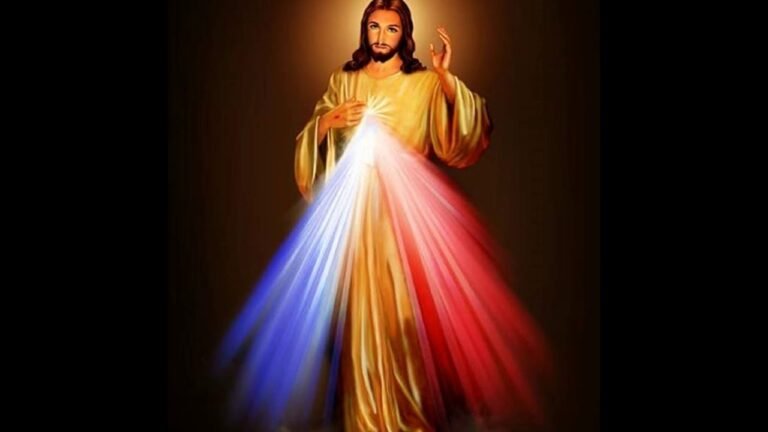
The use of color, light, and form in sacred art not only conveys deep emotional resonance but also invites contemplation. Each brushstroke and sculpted detail tells a story, guiding the observer into a realm where the mundane meets the miraculous. Icons, frescoes, and stained glass windows transform spaces into sanctuaries, shaping our understanding of the divine while inspiring a sense of reverence and connection.
As we engage with these powerful images, we find ourselves drawn into a dialogue with the divine. They challenge us to reflect on our own beliefs and experiences, encouraging a deeper exploration of spirituality. Whether through the majesty of a cathedral or the simplicity of a devotional painting, visualizing the divine becomes a source of inspiration, sparking a quest for meaning and understanding in our lives.
From Page to Picture: The Impact of Biblical Imagery
Biblical imagery has long transcended the written word, capturing the imagination of artists, filmmakers, and storytellers throughout history. These vivid visual interpretations breathe life into ancient texts, transforming complex narratives into striking representations that resonate with audiences. From the iconic paintings of the Renaissance to contemporary cinematic adaptations, the power of these images lies in their ability to evoke emotion and provoke thought, allowing viewers to connect with sacred stories on a deeper level. As visual culture continues to evolve, the enduring impact of biblical imagery serves as a testament to its universal relevance and the timeless quest for meaning in the human experience.
Imagery that Transforms: A Journey Through Scripture
From the vivid tales of creation to the profound parables of love and redemption, Scripture serves as a powerful tapestry of imagery that invites readers on a transformative journey. Each story unfolds layers of meaning, illustrating the divine interplay between humanity and the sacred. The lush landscapes of the Psalms, the stark deserts of the Exodus, and the bustling streets of the New Testament all come alive, allowing us to not only visualize these ancient narratives but also to feel their relevance in our modern lives.
As we delve deeper into these images, we uncover the rich symbolism that speaks to our innermost struggles and triumphs. The shepherd and his flock, the vineyard and its keeper, and the mustard seed that grows into a mighty tree all serve as reminders of hope, faith, and the potential for growth in our own lives. Through this exploration, Scripture transforms from a distant text into a living guide, illuminating our paths and encouraging us to embrace the journey of faith with renewed vigor and understanding.
Bible imagery continues to resonate deeply within contemporary culture, enriching art, literature, and personal reflection. Its vivid symbols and powerful narratives provide a timeless lens through which to explore the human experience, offering insights that are both profound and universally relatable. By embracing these images, we not only connect with our spiritual roots but also find inspiration for navigating the complexities of modern life.