Exploring the Mystique of Biblical Cherubim
In the rich tapestry of biblical imagery, cherubim stand out as intriguing celestial beings, often depicted as guardians of sacred spaces and divine mysteries. These enigmatic figures, commonly associated with the presence of God, embody a blend of majesty and protection, serving as both messengers and protectors in the spiritual realm. From their striking descriptions in ancient texts to their artistic representations throughout history, cherubim invite us to explore deeper themes of holiness, divinity, and the intricate relationship between the earthly and the divine.
What are cherubim in the Bible?
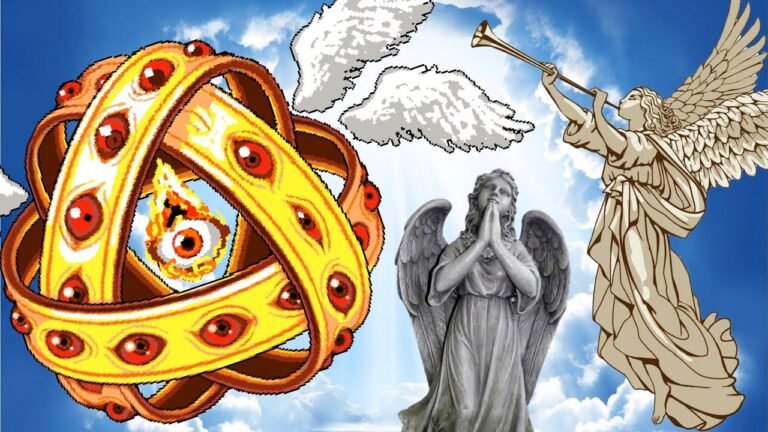
Cherubim are celestial beings often mentioned in biblical texts, recognized for their unique and varied forms. These angelic figures are depicted with features that can be human, animal, or birdlike, reflecting their multifaceted nature. In the scriptures, they play a primordial role as guardians and throne bearers of God, symbolizing divine authority and presence.
In addition to their significant role within the heavenly hierarchy, cherubim also serve as protectors of sacred spaces. Their imagery is found in various religious traditions, including Christianity, Judaism, and Islam, highlighting their importance across cultures. As symbols of divine power and mystery, cherubim continue to captivate the imagination and inspire spiritual contemplation.
What distinguishes an angel from a cherubim?
Angels and cherubim hold distinct places within biblical lore, each embodying unique characteristics that set them apart. Angels are often depicted with human-like traits, engaging in conversation and possessing names that resonate with humanity. Intriguingly, they are frequently illustrated without wings, presenting a more relatable image that emphasizes their role as messengers and protectors.
In contrast, cherubim present a more enigmatic presence, characterized by their wild amalgamation of human and animal traits. These celestial beings are adorned with wings, symbolizing their divine nature and strength. While both angels and cherubim share a mysterious aura, their differing appearances and attributes highlight the diverse ways in which the divine interacts with the world.
What is the symbolism of cherubs?
Cherubs are emblematic of innocence and purity, commonly depicted in Christian art as childlike figures that radiate grace and divine beauty. Their soft features and gentle expressions evoke a sense of serenity, inviting viewers to reflect on the harmonious aspects of the celestial realm. Often positioned in heavenly scenes, they serve as a reminder of the untainted nature of the divine.
These charming beings not only symbolize the innocence of youth but also embody the ideals of love and protection. Their presence in religious imagery reinforces the notion of a benevolent and nurturing deity, fostering a connection between the earthly and the divine. Through their portrayal, cherubs inspire a sense of peace and comfort, resonating with those who seek solace in their innocence and innocence itself.
Unveiling the Guardians of the Divine
In a world where the line between the ordinary and the extraordinary blurs, the Guardians of the Divine emerge as enigmatic protectors of sacred truths. These celestial beings, often depicted in ancient texts and folklore, embody the virtues of wisdom, courage, and compassion. Their presence inspires humanity to seek deeper connections with the universe and to honor the spiritual essence that resides within all living things. As we unveil the intricate tapestry of their stories, we discover not only the power of belief but also the profound impact these guardians have on our quest for meaning and transcendence in an ever-changing world.
The Symbolism and Significance of Cherubim
Cherubim hold a prominent place in various religious texts and artistic representations, symbolizing the embodiment of divine protection and wisdom. Often depicted as celestial beings with wings, they serve as guardians of sacred spaces, most notably in religious narratives where they protect the entrance to paradise. Their presence transcends mere ornamentation; it signifies a deeper connection between the divine and humanity, acting as intermediaries that convey God’s will and authority.
In many cultures, cherubim are associated with purity and enlightenment, often depicted as youthful figures radiating innocence and joy. This imagery conveys the idea that they are not only protectors but also bearers of divine knowledge. Their playful yet profound essence invites believers to seek deeper understanding and connection with the divine, reminding us of the harmony that exists between heaven and earth. As such, cherubim play a primordial role in the spiritual journey, encouraging followers to embrace the virtues of love, peace, and enlightenment.
The significance of cherubim extends beyond their religious origins, influencing art and literature throughout history. Artists have drawn inspiration from their ethereal qualities, capturing their essence in paintings, sculptures, and literature that explore themes of spirituality and transcendence. Their dual nature—as both protectors and symbols of divine love—continues to resonate in modern culture, inviting reflection on the balance between earthly existence and spiritual aspiration. Through this enduring symbolism, cherubim remind us of the beauty of divine presence in our lives, urging us to seek connection and understanding in a complex world.
Ancient Texts and Modern Interpretations
Ancient texts have long served as a window into the thoughts, beliefs, and cultures of civilizations that shaped our world. From the philosophical musings of Greek philosophers to the spiritual insights found in sacred scriptures, these writings continue to resonate with contemporary audiences. Their timeless themes of love, morality, and the quest for understanding invite modern readers to explore the complexities of human existence. Scholars and enthusiasts alike delve into these works, uncovering layers of meaning and context that enrich our appreciation of the past.
In the realm of modern interpretations, these ancient narratives are not merely relics but dynamic sources of inspiration. Today’s thinkers reimagine these texts, connecting their wisdom to current societal challenges and personal dilemmas. By bridging the gap between ancient insights and modern realities, we find a renewed relevance in their teachings. This intersection fosters a dialogue that transcends time, encouraging us to reflect on our own values and beliefs while navigating the complexities of contemporary life.
Cherubim: Mystical Beings in Sacred Narratives
Cherubim, often depicted as majestic and otherworldly beings, hold a significant place in various sacred narratives across cultures. These celestial entities are commonly associated with divine protection and are frequently portrayed as guardians of sacred spaces. Their presence evokes a sense of wonder and reverence, symbolizing the connection between the divine and the earthly realm. In biblical texts, cherubim are described as having multiple faces and wings, representing their multifaceted nature and their role as intermediaries between God and humanity.
Throughout history, the imagery of cherubim has evolved, yet their essence remains rooted in the idea of divine guardianship. In many traditions, they are seen as protectors of knowledge and wisdom, often depicted as surrounding the throne of God or guarding sacred artifacts. This portrayal underscores their importance in maintaining the sanctity of the divine order, reminding believers of the presence of the sacred in their lives. Their intricate designs in art and literature further enhance their mystical aura, inviting contemplation and spiritual reflection.
The fascination with cherubim transcends religious boundaries, inspiring countless interpretations and artistic expressions. From ancient texts to modern literature, these beings continue to captivate imaginations, representing the eternal quest for understanding the divine. As symbols of spiritual enlightenment and protection, cherubim serve as a reminder of the mysteries that lie beyond human comprehension, urging us to explore the deeper connections between our world and the celestial realms. Their enduring legacy in sacred narratives highlights the universal longing for connection with the divine and the quest for transcendence in the human experience.
From Art to Theology: The Legacy of Cherubim
Throughout history, cherubim have transcended their origins as simple angelic figures to become powerful symbols in art and theology. These celestial beings are often depicted with a combination of innocence and wisdom, embodying the divine presence that connects humanity to the sacred. Artists from the Renaissance to modern times have drawn on the imagery of cherubim, infusing their works with a sense of wonder and spiritual depth. Through rich colors and intricate details, these representations invite viewers to reflect on the mysteries of existence and the relationship between the earthly and the heavenly.
In theological discourse, cherubim hold a significant place as guardians of divine knowledge and protectors of sacred spaces. Their presence in religious texts, particularly in the Judeo-Christian tradition, emphasizes the importance of divine revelation and the complexities of faith. These beings serve not only as symbols of beauty but also as reminders of the profound truths that underpin spiritual life. The legacy of cherubim, therefore, extends beyond artistic expression; it challenges believers to seek a deeper understanding of their faith and the divine mysteries that shape their existence.
The biblical cherubim stand as powerful symbols of divine presence and protection, transcending mere artistic representation to embody profound theological significance. Their multifaceted roles throughout scripture—from guardians of sacred spaces to messengers of God’s will—invite a deeper exploration of their meaning in both historical and contemporary contexts. As we reflect on these celestial beings, we uncover layers of insight into the nature of the divine and our relationship with the sacred, reminding us that the mysteries of faith often reveal themselves in the most unexpected forms.