Meaningful Expressions: The Art of Catholic Tattoos
Catholic tattoos have emerged as a powerful expression of faith and personal identity, blending spirituality with artistry. These intricate designs often feature symbols like the cross, saints, and scripture, serving as a canvas for devotion and reflection. As more individuals embrace body art, Catholic tattoos are not just a trend but a meaningful way to share one’s beliefs and heritage. This article delves into the significance, styles, and growing popularity of Catholic tattoos, exploring how they resonate with believers in today’s world.
Are Catholic tattoos a form of spiritual expression?
Yes, Catholic tattoos can serve as a form of spiritual expression, reflecting beliefs, devotion, and personal connections to faith through meaningful symbols and imagery.
- Symbolism: Catholic tattoos often feature religious symbols such as crosses, angels, and saints, representing faith and spirituality.
- Personal Expression: Many individuals choose Catholic tattoos to express their personal beliefs, devotion, and connection to their faith.
- Cultural Significance: In some communities, Catholic tattoos serve as a way to preserve cultural heritage and showcase religious identity.
- Artistry: Catholic tattoos can be intricate and artistic, blending traditional religious imagery with contemporary tattoo styles.
- Spiritual Reminders: For some, these tattoos act as a constant reminder of their faith, providing comfort and inspiration in daily life.
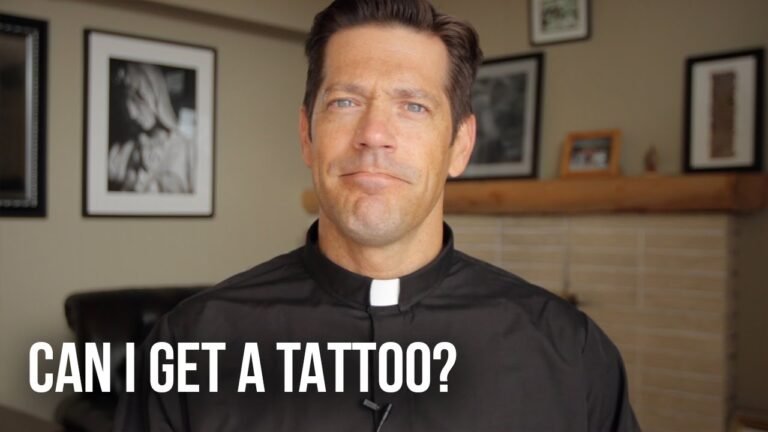
Are tattoos permitted in Catholicism?
Tattoos have long been a form of personal expression, and their acceptance within various cultures can vary significantly. Within Catholicism, there is no official doctrine that explicitly prohibits tattoos. This lack of a definitive stance allows for a diverse range of interpretations among the faithful. Many Catholics view tattoos as a form of art or a way to commemorate significant life events, while others may question their appropriateness based on interpretations of scripture.
Despite the absence of an official stance, individual perspectives among Catholics can differ widely. Some may embrace tattoos as a reflection of personal faith or identity, using them to symbolize their beliefs or experiences. Conversely, others might hold traditional views that discourage body modifications, citing concerns about modesty or the sanctity of the body as a temple of the Holy Spirit. This diversity of opinion often leads to discussions that encourage understanding and respect for differing viewpoints.
Ultimately, the decision to get a tattoo remains a personal choice for each individual. Catholics are encouraged to reflect on their motivations and the meanings behind their ink, considering how it aligns with their faith and values. In this way, tattoos can serve as more than mere decoration; they can become meaningful symbols that resonate deeply with one’s spiritual journey.
Is it permissible for a Catholic to get a cross tattoo?
The topic of tattoos within the Catholic Church remains a nuanced and debated issue. While some theologians and clergy view tattoos as permissible, provided they avoid any depictions associated with the devil, others take a more cautious stance. This variance in opinions reflects the diverse interpretations of religious teachings and personal beliefs among the faithful.
Many believers see tattoos as a form of personal expression rather than a spiritual transgression. For them, a tattoo can symbolize faith, commemorate significant life events, or serve as a reminder of their beliefs. As long as the imagery aligns with their values and does not contradict core Catholic teachings, they feel comfortable embracing this body art.
Conversely, there are those within the Church who oppose tattoos altogether, viewing them as incompatible with the sanctity of the body. This perspective emphasizes a traditional understanding of bodily integrity and the belief that the body should be treated with reverence. Ultimately, the decision to get a tattoo rests with the individual, who must navigate their personal convictions and the diverse opinions within their faith community.
Is it permissible for a Catholic priest to have tattoos?
While tattoos are not explicitly forbidden in the Catholic Church, they do fall into a complex area of canon law and Church teachings. The Church traditionally views the body as a temple and encourages respect for its sanctity. As such, tattoos, often seen as a form of body mutilation, can raise concerns regarding a candidate’s suitability for Holy Orders.
For those seeking to enter the priesthood or the diaconate, having a tattoo may necessitate obtaining a written dispensation. This means that candidates must demonstrate that their tattoos do not conflict with their commitment to serve the Church and its teachings. Ultimately, the decision rests with Church authorities, who assess each case individually to ensure it aligns with the values of the faith.
Inked Faith: Embracing Spirituality Through Art
Inked Faith is a vibrant exploration of how art can become a profound expression of spirituality, revealing the intricate connections between creativity and belief. Through the transformative power of tattoos, individuals share their personal journeys, using skin as a canvas to depict their faith, values, and milestones. Each design tells a story, weaving together threads of cultural heritage and personal significance, inviting both the artist and the observer to engage in a deeper dialogue about identity and belief. This movement not only celebrates the beauty of self-expression but also fosters a sense of community, as those who embrace this form of art connect with others on similar spiritual paths, creating a tapestry of shared experiences and inspirations.
Sacred Symbols: The Stories Behind Catholic Tattoos
Catholic tattoos serve as powerful expressions of faith, embodying rich narratives and deep personal connections to spirituality. Each symbol, whether it be the crucifix, a saint’s portrait, or the sacred heart, tells a unique story, reflecting the wearer’s journey and devotion. These sacred images not only celebrate significant moments in the lives of believers but also serve as reminders of hope, love, and resilience. By integrating these symbols into their skin, individuals create a living testament to their beliefs, transforming their bodies into canvases of faith where art and spirituality intertwine.
Body and Soul: A Journey of Faith in Ink
In the delicate interplay of body and soul, faith often finds its most profound expression through art. Tattooing, a practice steeped in tradition and personal significance, becomes a canvas for spiritual journeys, where ink transforms skin into a testament of belief. Each design tells a story, marking pivotal moments of inspiration, loss, and redemption, allowing individuals to wear their faith boldly. This journey is not merely about aesthetics; it is a deep exploration of identity, connection, and the universal quest for meaning.
As these intricate patterns emerge, they invite a dialogue between the wearer and the world, challenging perceptions of spirituality and self-expression. Tattoos forge a powerful bond, serving as reminders of resilience and hope that resonate within the soul. Each stroke of the needle is a commitment to embracing one’s journey, a celebration of the intertwining of body and spirit. In this vibrant tapestry of ink and faith, individuals discover not only their stories but also the shared humanity that connects us all.
Divine Designs: Celebrating Belief Through Body Art
Body art has long served as a powerful medium for personal expression, and its spiritual dimensions elevate it to a sacred form of creativity. From intricate tattoos symbolizing faith to delicate henna designs that honor cultural rituals, these artistic expressions reflect deep-seated beliefs and connections to the divine. Each piece tells a story, intertwining the artist’s vision with the wearer’s spiritual journey, creating a unique tapestry of belief and identity.
As society evolves, so does the perception of body art, increasingly recognized as a legitimate form of worship. Many individuals find solace and empowerment in adorning their bodies with symbols of their faith, transforming skin into a canvas for devotion. This celebration of belief through body art fosters a sense of community and belonging, as shared symbols resonate with collective experiences and histories.
In this vibrant landscape of divine designs, artists and wearers alike engage in a dialogue that transcends mere aesthetics. The process of creating and receiving body art becomes a ritual in itself, inviting reflection and introspection. By embracing this fusion of spirituality and artistry, individuals not only honor their beliefs but also inspire others to explore the profound connections between faith, identity, and expression.
Catholic tattoos serve as a profound expression of faith, blending artistry with spirituality in a way that resonates deeply with many individuals. From intricate depictions of saints to meaningful symbols of devotion, these tattoos not only celebrate personal beliefs but also foster a sense of community among those who share similar values. As society continues to embrace diverse forms of self-expression, the popularity of Catholic tattoos highlights the enduring connection between faith and identity, inviting others to explore their own spiritual journeys through the lens of body art.