Understanding the Protestant Reformation: Key Definitions and Impacts
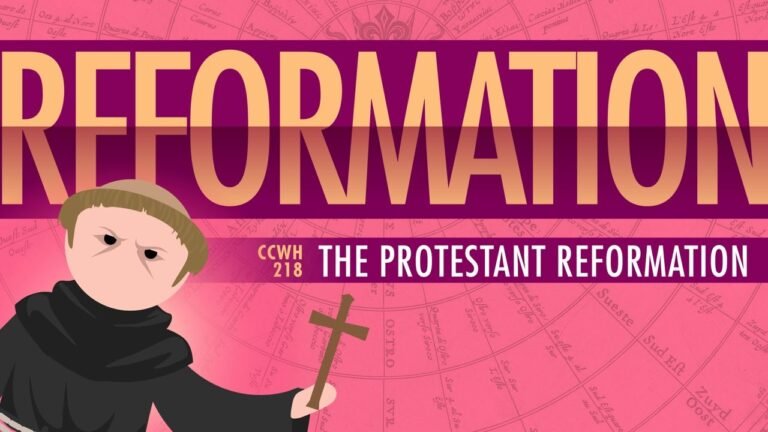
The Protestant Reformation was a pivotal movement in the 16th century that reshaped the landscape of Christianity and European society. Sparked by figures like Martin Luther and John Calvin, this religious upheaval challenged the authority of the Catholic Church, leading to the establishment of various Protestant denominations. It not only ignited theological debates over faith and salvation but also inspired social, political, and cultural transformations that continue to influence the modern world. Understanding the Protestant Reformation is essential to grasping the complexities of religious identity and the evolution of Western thought.
What does the term Protestant Reformation mean?
The Protestant Reformation was a pivotal movement in 16th-century Europe that fundamentally altered the landscape of Christianity. Sparked by dissatisfaction with the practices and doctrines of the Roman Catholic Church, it led to a series of theological debates and social changes that encouraged individuals to question established religious authority. This transformation gave rise to various denominations collectively known as Protestantism, each advocating for interpretations of faith that diverged from Catholic traditions.
As a result of the Reformation, believers began to emphasize personal faith and the authority of Scripture over church hierarchy. This shift not only reshaped religious beliefs but also influenced cultural, political, and social dynamics across Europe, paving the way for greater religious diversity and the eventual emergence of modern secular societies. The legacy of the Protestant Reformation continues to resonate today, as it laid the groundwork for ongoing discussions about faith, governance, and individual rights.
What was the central idea behind the Protestant Reformation?
The Protestant Reformation marked a pivotal shift in the religious landscape of Europe, fundamentally challenging the long-standing authority of the Catholic Church. Reformers sought to eliminate practices they viewed as corrupt and unnecessary, asserting that the pope’s influence should not dictate the faith of believers. This movement underscored the importance of personal interpretation of scripture, leading to the belief that the Bible alone serves as the ultimate guide for faith and conduct.
At the heart of the Reformation was the concept of salvation, which the reformers emphasized as a gift of God’s grace, accessible through faith in Jesus Christ rather than through the intercession of the Church. This transformative idea not only empowered individuals to take ownership of their spiritual journeys but also laid the groundwork for a diverse array of Protestant denominations. The Reformation ultimately reshaped Christianity, fostering a more personal and direct relationship between believers and their faith.
Can you explain the Reformation in simple terms?
Reformation, in simple terms, is the act of improving or changing a system, whether it’s religious, political, or social, to make it better. This broad concept embodies the idea of progress and transformation, aimed at correcting perceived flaws and enhancing the overall structure of institutions.
When we refer to the Reformation with a capital “R,” we are specifically talking about a significant religious movement that began in Europe in 1517. Sparked by a group of reformers, this movement sought to address various issues within the Catholic Church, including practices that were seen as corrupt or misaligned with the core teachings of Christianity.
The Protestant Reformation led to the emergence of various Protestant denominations and fundamentally altered the landscape of Christianity in Europe. It not only reshaped religious beliefs and practices but also had profound effects on politics, culture, and society, laying the groundwork for modern Western thought and governance.
Exploring the Roots of Change in Christianity
Throughout history, Christianity has undergone significant transformations, shaped by cultural, social, and theological influences. These changes reflect the dynamic nature of faith, as believers grapple with the challenges of modernity while remaining rooted in ancient teachings. From the early church’s struggles against persecution to the Reformation’s bold calls for reform, each era has contributed to a rich tapestry of belief that continues to evolve today.
At the heart of these changes lies a quest for deeper understanding and connection within the faith community. As Christians navigate contemporary issues such as social justice, environmental stewardship, and interfaith dialogue, they draw upon their heritage to inspire action and foster unity. This ongoing exploration of faith not only honors the past but also paves the way for a vibrant future, inviting believers to engage with their beliefs in meaningful ways.
Defining the Movement: Key Terms and Concepts
The movement is rooted in a tapestry of ideas that shape its identity and goals. At its core lies the concept of empowerment, which emphasizes the importance of individuals and communities taking control of their own narratives. This empowerment is not just about personal strength; it encompasses collective action, where collaboration among diverse groups fosters a sense of solidarity and shared purpose. By encouraging people to unite and advocate for their rights, the movement seeks to dismantle systemic barriers and promote equity for all.
Central to this movement is the idea of intersectionality, which recognizes that individuals experience oppression in varying degrees based on overlapping social identities, such as race, gender, and socioeconomic status. This nuanced understanding allows for a more inclusive approach, ensuring that the voices of marginalized communities are amplified in the fight for justice. By addressing the complexities of these identities, the movement fosters a rich dialogue that acknowledges the unique challenges faced by different groups while working towards a common goal.
Sustainability also plays a pivotal role in the movement’s framework, highlighting the importance of long-term solutions and practices that can endure over time. This commitment to sustainable change goes beyond immediate results, emphasizing the need for systemic reform that benefits future generations. By integrating environmental, social, and economic considerations, the movement aims to create a holistic approach to progress, ensuring that the fight for justice is not only effective but also responsible and forward-thinking.
The Lasting Effects on Religion and Society
The profound impact of historical events on religion and society can be seen in the way belief systems evolve and adapt to changing cultural landscapes. Major occurrences, such as wars, revolutions, and technological advancements, often challenge established doctrines and provoke introspection within religious communities. This dynamic interplay fosters a climate of innovation, leading to new interpretations and practices that resonate with contemporary values. As societies grapple with pressing issues like social justice, environmental stewardship, and ethical dilemmas, religious institutions are increasingly called upon to provide guidance and relevance. The resulting dialogue not only shapes the future of faith but also influences societal norms, creating a rich tapestry of beliefs that reflect both tradition and modernity.
A Revolutionary Shift: Protestants and Their Legacy
The Protestant Reformation marked a pivotal moment in history, fundamentally reshaping the religious landscape of Europe and beyond. Emerging in the 16th century, this movement challenged the established Catholic Church’s doctrines and practices, advocating for a direct relationship between individuals and God. By emphasizing personal faith, scripture, and the importance of individual conscience, Protestants ignited a wave of spiritual awakening that inspired countless reformers, thinkers, and ordinary believers to question authority and seek deeper truths.
As the movement gained momentum, its influence extended far beyond theology, sparking broader societal changes. Protestant ideals contributed to the rise of literacy, as the translation of the Bible into vernacular languages made religious texts accessible to the masses. This newfound emphasis on education not only empowered individuals to interpret scripture for themselves but also laid the groundwork for the modern education system. The shift towards valuing personal interpretation and critical thinking fostered an environment ripe for innovation, leading to advancements in science, philosophy, and the arts.
The legacy of Protestantism continues to resonate today, shaping contemporary values and beliefs across cultures. With its emphasis on individual rights, freedom of conscience, and social responsibility, the movement has influenced various spheres, from politics to social justice. As we reflect on the profound impact of Protestantism, it becomes clear that its revolutionary spirit not only transformed religious practices but also carved a path for the modern world, inspiring generations to champion the ideals of freedom, equality, and personal empowerment.
The Protestant Reformation was a pivotal movement that transformed the religious landscape of Europe and laid the groundwork for modern Christianity. By challenging established doctrines and practices, it empowered individuals to seek personal connections with faith, ultimately fostering an environment of diverse beliefs and interpretations. This revolution not only reshaped the church but also influenced politics, culture, and society, marking a significant turning point in history that continues to resonate today.