Unraveling the Four Horsemen of Revelation
The concept of the Four Horsemen of the Apocalypse has captivated humanity for centuries, symbolizing the harbingers of the end times as depicted in the Book of Revelation. These enigmatic figures—Conquest, War, Famine, and Death—embody the profound struggles and challenges that shape our world. As we delve into their significance and the lessons they impart, we uncover not just a tale of destruction, but a mirror reflecting the complexities of human nature and the cyclical nature of history. Join us on a journey through this powerful imagery that continues to resonate in contemporary discussions about morality, conflict, and survival.
What are the names of the Four Horsemen mentioned in the Book of Revelation?
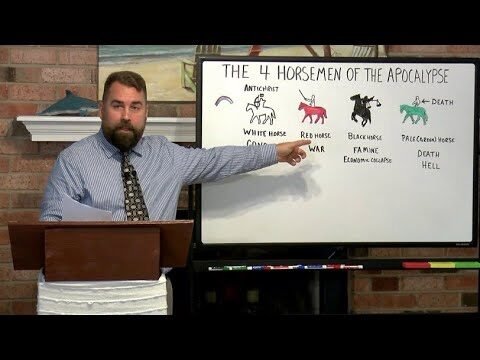
The Book of Revelation in the New Testament introduces the Four Horsemen of the Apocalypse, symbolizing the trials that humanity may face. These figures are conquest, war, famine, and death, each representing a significant aspect of human suffering and turmoil throughout history. Their emergence is a powerful reminder of the challenges that can arise during tumultuous times.
In contrast, the Old Testament’s Book of Ezekiel presents a different set of figures, emphasizing the persistent threats to life and society. In this context, the horsemen are depicted as sword, famine, wild beasts, and pestilence or plague. Together, these representations from both texts highlight the ongoing struggle against various forms of destruction and despair, underscoring a timeless narrative of human vulnerability.
What is the sequence of the Four Horsemen mentioned in the Bible?
The Four Horsemen, as depicted in the Bible, represent profound themes that resonate through history and literature. Traditionally identified as Conquest, War, Famine, and Death, these figures embody the calamities that befall humanity. Their imagery evokes a sense of urgency and impending doom, serving as powerful symbols of human struggle and the darker aspects of existence.
Over the centuries, interpretations of the Horsemen have evolved, leading to a more distinct representation of their roles. Today, they are often referred to as War, Famine, Pestilence (or Plague), and Death. This shift reflects a deeper understanding of the complexities surrounding each aspect, highlighting how they interconnect and impact society. The distinction allows for a more nuanced exploration of the challenges that face humanity.
The legacy of the Four Horsemen continues to inspire art, literature, and popular culture. Their presence serves as a reminder of the persistent threats that challenge civilization. By examining their significance, we gain insight into human nature and the cyclical nature of conflict and suffering, urging us to confront these realities in our own lives and societies.
What is the significance of the Four Horsemen?
The Four Horsemen, drawn from the vivid imagery in Revelation 6, represent profound prophetic trends that resonate through history. Each horseman embodies a significant aspect of human experience: the first signifies religious deception, leading many astray; the second brings the chaos of war, threatening peace; the third illustrates famine, highlighting scarcity and struggle; and the fourth conveys pestilence, underscoring the impact of disease on society. Together, these figures encapsulate the challenges and tribulations that humanity faces, serving as a powerful reminder of the ongoing struggles within the human condition.
Exploring the Symbolism of Apocalypse
The symbolism of the apocalypse weaves a rich tapestry of themes, reflecting humanity’s deepest fears and hopes. Often portrayed as a cataclysmic event, it serves as a powerful metaphor for transformation and renewal, suggesting that destruction can pave the way for new beginnings. This duality is evident in various cultural narratives, where the end of the world is not merely an end, but a call to introspection and change. As societies grapple with existential challenges, the imagery of the apocalypse invites reflection on our values, urging us to confront the consequences of our actions while envisioning a more harmonious future. Ultimately, the apocalypse symbolizes both the fragility of existence and the resilience of the human spirit, encouraging us to seek redemption amid chaos.
Understanding the Prophetic Messages
Prophetic messages have long been a source of fascination and guidance for many. These messages often emerge during moments of profound spiritual insight, offering wisdom that transcends time and culture. By examining the historical and cultural contexts in which these messages were delivered, we can gain a deeper understanding of their significance and the impact they have on individuals and communities alike.
At their core, prophetic messages challenge us to reflect on our lives and the world around us. They serve as a call to action, urging individuals to pursue justice, compassion, and a greater sense of purpose. Whether conveyed through sacred texts, oral traditions, or personal revelations, these messages resonate with universal themes that encourage us to seek truth and fulfillment. By engaging with these teachings, we not only enrich our own lives but also contribute to the collective journey toward understanding and harmony.
In a rapidly changing world, the relevance of prophetic messages remains undeniable. They provide a moral compass, guiding us through uncertainty and inspiring us to forge meaningful connections with others. By embracing these profound insights, we can cultivate a deeper awareness of our responsibilities to ourselves and society, fostering a sense of unity that transcends divisions. Ultimately, understanding prophetic messages equips us with the tools needed to navigate life’s complexities and to create a brighter future for all.
The Impact of Each Horseman on Humanity
Throughout history, the Four Horsemen of the Apocalypse have symbolized various forces that challenge humanity’s resilience. War, with its relentless pursuit of power, has led nations to conflict, often resulting in profound suffering and societal upheaval. The scars of war linger long after the battles cease, shaping cultures and influencing generations. Its impact is not merely physical; it instills a sense of fear and distrust that can fracture communities and destabilize entire regions.
Famine, another of the horsemen, exacerbates the plight of those already suffering from conflict and instability. As resources dwindle, competition for food can lead to desperation and further violence, creating a vicious cycle that ensnares the most vulnerable. Together, these forces drive humanity to confront its darker impulses while also igniting a spirit of resilience and solidarity. In the face of such challenges, communities often come together, fostering innovation and compassion in their quest for survival and healing.
Lessons from Revelation for Today
In a world increasingly marked by uncertainty and moral ambiguity, the Book of Revelation offers timeless lessons that resonate with contemporary challenges. Its vivid imagery and prophetic visions call us to remain vigilant and hopeful amidst trials. As we navigate our daily lives, the text encourages us to seek clarity in our values and to stand firm in our beliefs, reminding us that even in darkness, light can prevail.
The themes of resilience and redemption in Revelation underscore the importance of community and collective purpose. Just as the early Christians found strength in unity, today’s society can benefit from fostering connections that inspire and uplift. By embracing our shared humanity and supporting one another through struggles, we cultivate an environment where hope thrives, allowing us to face the future with courage and determination.
Moreover, Revelation’s emphasis on accountability challenges us to reflect on our actions and their consequences. In a fast-paced world often driven by self-interest, the call to live with integrity and purpose is more relevant than ever. By aligning our lives with principles of justice, compassion, and service, we not only honor our commitments but also contribute to a larger narrative of hope and renewal that can transform our communities for the better.
The Four Horsemen of Revelation serve as powerful symbols of humanity’s struggles and the complexities of our existence. Their vivid imagery not only warns of impending challenges but also invites introspection about the choices we make in the face of adversity. As we navigate our own turbulent times, understanding these archetypes can inspire us to confront our fears, seek justice, and cultivate resilience, ultimately transforming chaos into opportunity for growth.