Exploring Gilead: A Biblical Perspective
Gilead, a name steeped in biblical significance, evokes images of healing and refuge in the ancient world. Mentioned in the Old Testament, this region symbolizes hope and divine intervention, known for its balm that soothes wounds both physical and spiritual. As we explore the rich tapestry of Gilead’s historical and cultural impact, we uncover its enduring legacy that continues to resonate in contemporary discussions of faith, healing, and community. Join us on a journey to discover how this ancient land influences modern perspectives and inspires a deeper understanding of our own paths to restoration.
- Gilead is often referenced in the Bible as a region known for its balm, symbolizing healing and restoration, particularly in Jeremiah 8:22.
- The term “Gilead” also represents a place of refuge and a setting for significant events in the lives of biblical figures, such as Jacob and Laban in Genesis.
What does Gilead refer to in the Bible?
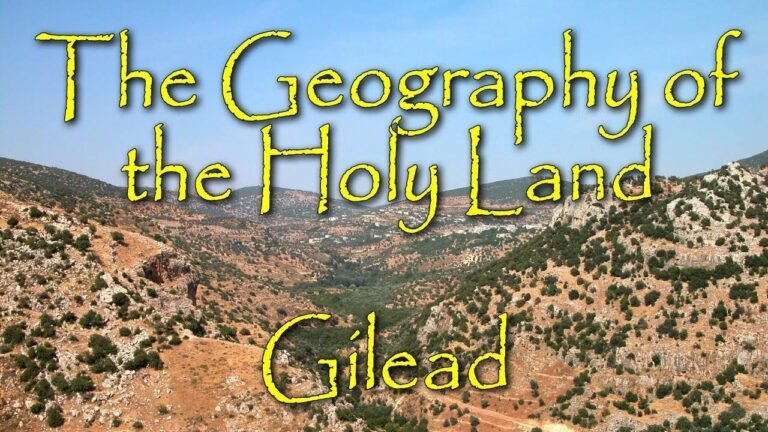
Gilead holds a significant place in the biblical narrative, often representing the broader region east of the Jordan River. Its name first emerges during the poignant farewell between Jacob and Laban, highlighting its early importance in the unfolding story of the Israelites. This area became a backdrop for importante events that shaped the history of the tribes.
Following the Israelites’ conquest of Sihon, Gilead was designated as the territory for the tribes of Reuben, Gad, and half of Manasseh. This allocation underscores the strategic and agricultural value of the region, which was known for its rich pastures and resources. The division of land among the tribes not only reflects the logistical considerations of settlement but also serves as a testament to the unfolding narrative of God’s promise to His people.
In addition to its geographical significance, Gilead is often symbolically associated with healing, as seen in the phrase ” balm of Gilead.” This imagery evokes deep spiritual meaning, suggesting a place of refuge and restoration. Thus, Gilead is more than just a location; it embodies the intersection of divine promise, tribal identity, and the quest for healing throughout the biblical text.
What does Gilead symbolize spiritually?
Gilead holds profound spiritual significance, symbolizing a “mound of witness” and representing resilience and endurance through time. This ancient location, where Jacob sought refuge from Laban, embodies the themes of commitment and covenant, as it was here that their pivotal agreement was forged. The very essence of Gilead reverberates with the idea of steadfastness, serving as a metaphorical rock that supports enduring relationships and the weight of shared histories. Its legacy invites reflection on the strength found in enduring bonds and the sacred promises that shape our journeys.
What does Gilead mean?
Gilead is a name rich in history and significance, with its roots deeply embedded in Hebrew culture. The term translates to “monument” or “heap of testimony,” reflecting a place of importance and remembrance. This evocative meaning underscores the weight that the name carries, suggesting a legacy worth honoring and sharing.
As a masculine moniker, Gilead has been used throughout the ages, symbolizing strength and resilience. It evokes images of a steadfast place where stories are told and virtues celebrated. The name serves as a reminder of the enduring human spirit and the testimonies that shape our identities.
In contemporary contexts, Gilead resonates with those who seek a connection to their heritage, embodying qualities such as courage and fidelity. Whether used in literature, culture, or personal identity, the name Gilead stands as a testament to the values that have been cherished for generations, inviting us to reflect on our own legacies and the stories we carry forward.
Unveiling Ancient Insights from the Scriptures
Throughout history, sacred texts have served as windows into the profound wisdom of ancient civilizations, illuminating the beliefs, values, and practices that shaped their societies. By delving into these scriptures, we uncover timeless insights that resonate with modern life, offering guidance on ethics, community, and the human experience. Each verse and narrative not only reflects the cultural context of its time but also invites us to explore universal themes of love, justice, and redemption. As we engage with these ancient teachings, we find a rich tapestry of knowledge that transcends generations, encouraging us to reflect on our own lives and the world around us.
A Journey Through Faith and History
Throughout the ages, faith has served as both a guiding light and a powerful force shaping human history. From ancient civilizations to modern societies, belief systems have inspired monumental achievements, sparked revolutions, and fostered a sense of community among diverse cultures. Each era, marked by its unique challenges and triumphs, reveals how faith intertwines with the human experience, influencing art, philosophy, and governance in profound ways.
The journey through faith is not merely a linear progression; it is a rich tapestry woven with stories of devotion, struggle, and resilience. Key figures and movements have emerged, illuminating paths toward understanding and coexistence. Whether through the teachings of prophets, the writings of philosophers, or the rituals of worship, these narratives illustrate the timeless quest for meaning and connection that transcends generations. This exploration of faith helps us appreciate the shared values that unite us, even amid our differences.
As we reflect on this journey, we recognize that history is not just a record of events but a living testament to the enduring power of faith. It invites us to look beyond the surface of our differences and seek the common threads that bind humanity together. By engaging with the past, we gain insights into our present and future, inspiring us to cultivate compassion, empathy, and understanding in a world that continually evolves. Faith, in its many forms, remains a vital part of our collective story, urging us to walk forward with hope and purpose.
Discovering Gilead’s Spiritual Significance
Gilead, a land steeped in biblical history, serves as a powerful symbol of healing and redemption. Its name, often associated with the balm that brings comfort and restoration, resonates deeply in spiritual contexts. As we explore the narrative of Gilead, we uncover a profound message about the human journey toward hope and renewal. This sacred region, with its rich heritage, invites us to reflect on our own paths, encouraging a search for inner peace and a connection to something greater. Ultimately, Gilead stands as a reminder that even in moments of despair, there exists a sanctuary of solace waiting to be discovered.
Lessons from the Land of Healing
In the heart of nature, the Land of Healing offers profound insights into well-being and resilience. Its landscapes, rich with verdant forests and serene waters, serve as a reminder of the healing power found in simplicity and connection to the earth. Here, the rhythms of life slow down, encouraging introspection and a deeper appreciation for the beauty that surrounds us. This tranquil environment nurtures both body and spirit, teaching us that true healing often begins with a return to our roots.
The people of this land embody the principles of harmony and balance. They have cultivated practices that prioritize mental and physical health, blending ancient wisdom with modern approaches. Community gatherings, where stories and experiences are shared, strengthen bonds and create a support network that fosters holistic healing. These interactions illustrate how interconnectedness can enhance our emotional resilience, reminding us that we are not alone in our struggles and that healing is often a collective journey.
As we absorb these lessons, we are inspired to adopt a more mindful approach to our own lives. Embracing nature, nurturing relationships, and prioritizing self-care can transform our well-being. The teachings from the Land of Healing encourage us to find solace in simplicity, to listen to our bodies, and to cherish our connections with others. In doing so, we can cultivate a deeper sense of peace and fulfillment, ultimately empowering ourselves to navigate life’s challenges with grace and strength.
The Intersection of Faith and Geography
Faith and geography intertwine in profound ways, shaping cultures and communities across the globe. From the ancient temples nestled in the Himalayas to the sprawling cathedrals of Europe, religious beliefs often find their expression in the landscapes they inhabit. This relationship affects not only architectural styles and pilgrimage routes but also the social dynamics of different regions. As people navigate their spiritual journeys, the geographical context influences their rituals, practices, and sense of belonging, revealing how faith can both reflect and transform the environments in which it thrives. Ultimately, the intersection of faith and geography highlights the rich tapestry of human experience, where beliefs and landscapes coalesce to create unique narratives that resonate through time.
The concept of Gilead in the Bible serves as a powerful symbol of healing, refuge, and divine promise, resonating through both ancient texts and modern interpretations. Its enduring legacy invites us to explore themes of redemption and hope, encouraging a deeper understanding of our own journeys. As we reflect on Gilead’s significance, we uncover not only a geographical location but a profound metaphor for spiritual restoration and the resilience of the human spirit.