Understanding the Meaning of Guadalupe
The term Guadalupe carries profound significance, resonating deeply within cultural, spiritual, and historical contexts. Often associated with the revered Virgin of Guadalupe, it symbolizes hope, protection, and faith for millions, particularly in Latin America. This iconic figure embodies a rich tapestry of indigenous and Catholic traditions, making Guadalupe a powerful emblem of unity and resilience. Exploring the meaning of Guadalupe unveils a story of devotion that transcends borders, inviting us to appreciate the cultural narratives that shape our understanding of identity and belief.
What does Guadalupe symbolize in different cultures?
Guadalupe symbolizes hope, protection, and divine motherhood in various cultures, particularly in Mexican tradition, where she represents faith and cultural identity.
What does the name Guadalupe mean?
The name Guadalupe, rooted in Spanish heritage, carries a rich and evocative meaning: “River of The Wolf.” This intriguing combination of elements reflects both the natural world and the powerful symbolism of the wolf, suggesting strength and resilience. Its historical significance and cultural resonance make Guadalupe a name that embodies a deep connection to nature and the spirit of the wild, appealing to those who appreciate names with profound meanings.
What is the symbolism of the Guadalupe?
The image of Our Lady of Guadalupe serves as a powerful symbol of justice and resilience, particularly resonating with the poor and marginalized. Her significance extends beyond religious boundaries, embodying the struggle against oppression and the quest for independence. This connection is evident in the way communities rally around her image, drawing strength and inspiration from her story.
In Mexican-American communities, the presence of Our Lady of Guadalupe is ubiquitous, reflecting a deep cultural and spiritual connection. She represents not only faith but also a shared identity and history, fostering unity among those who face societal challenges. Her image is often a source of comfort and a rallying point for collective action.
As a symbol, she transcends time and geography, reminding us of the ongoing fight for justice and equality. Her legacy encourages individuals to stand firm against adversity, advocating for the rights of the oppressed. Through her enduring influence, Our Lady of Guadalupe continues to inspire movements for social change and the empowerment of disenfranchised voices.
What is the meaning of Guadalupe in the Bible?
The Virgin of Guadalupe is a significant figure in both religious and cultural contexts, representing a profound connection between the divine and the people of Mexico. Her appearance to Juan Diego in 1531 marked a pivotal moment, as she brought a message of hope and compassion to a time of spiritual turmoil. This event not only solidified her role as a beloved saint but also served as a catalyst for the spread of Christianity throughout the region.
As a symbol of faith and resilience, the Virgin of Guadalupe has transcended her religious origins to become a cultural icon for many Mexicans and Mexican Americans. Celebrated annually on December 12, her feast day draws millions of devotees who honor her through prayers, processions, and traditional festivities. This deep-rooted reverence showcases her influence on the identity and unity of the community.
The Virgin of Guadalupe embodies themes of protection and maternal love, making her an enduring source of inspiration for countless individuals. Her image is often seen in homes, businesses, and public spaces, serving as a reminder of hope and strength. Through her legacy, she continues to bridge the gap between faith and culture, fostering a sense of belonging and devotion among her followers.
Unraveling the Symbolism Behind Guadalupe
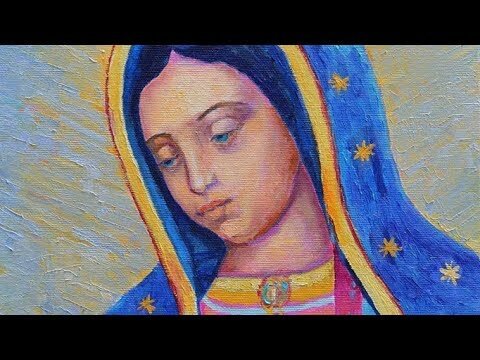
The image of Our Lady of Guadalupe holds profound significance, embodying a rich tapestry of cultural and spiritual symbolism. Rooted in the history of Mexico, she represents the fusion of indigenous and Spanish traditions, illustrating the resilience and faith of the Mexican people. The intricate details of her appearance—such as the stars on her cloak and the roses at her feet—serve as powerful symbols of divine protection and hope, reflecting the merging of two worlds and the birth of a new identity.
Beyond her visual representation, Guadalupe also signifies maternal compassion and advocacy for the marginalized. She stands as a beacon of comfort for those in need, inviting believers to seek solace and strength in her presence. Her enduring influence is evident in the countless celebrations and rituals dedicated to her, uniting communities in a shared expression of faith and gratitude. Through these layers of meaning, Guadalupe transcends mere iconography, becoming a vital embodiment of love, unity, and cultural pride.
The Cultural Significance of Our Lady of Guadalupe
Our Lady of Guadalupe holds a profound place in the hearts of millions, symbolizing hope, faith, and cultural identity. Revered as the patroness of Mexico and the Americas, her image transcends religious boundaries, uniting diverse communities in celebration of faith and heritage. The story of her appearance to Juan Diego in 1531 not only embodies a powerful narrative of divine intervention but also serves as a cornerstone for Mexican identity and spirituality. Festivals honoring her, such as the annual December 12th celebration, draw immense crowds, showcasing vibrant traditions that honor her significance.
Beyond her religious impact, Our Lady of Guadalupe represents a broader cultural resilience, particularly in the face of colonization and social challenges. She serves as a symbol of indigenous pride, intertwining pre-Hispanic beliefs with Catholicism, thus fostering a unique cultural synthesis. This blend is evident in art, music, and literature, where her image and story inspire countless expressions celebrating both faith and cultural heritage. As a beacon of unity and strength, Our Lady of Guadalupe continues to inspire generations, reminding us of the enduring power of faith and community.
Exploring Guadalupe’s Role in Faith and Identity
In the heart of Mexican culture, the veneration of Our Lady of Guadalupe serves as a powerful symbol of faith and identity, uniting diverse communities through shared devotion. Revered as the patroness of Mexico and the Americas, Guadalupe embodies the fusion of indigenous and Catholic traditions, representing hope, resilience, and maternal love. Her image transcends religious boundaries, inspiring countless individuals to seek solace and strength in times of struggle. As a beacon of spiritual guidance, Guadalupe reinforces the importance of heritage, fostering a sense of belonging and purpose among those who honor her, while reminding us of the enduring power of faith to shape collective identity.
A Journey Through Guadalupe’s Rich History
Nestled in the heart of California, Guadalupe is a town steeped in a vibrant history that reflects the diverse cultures and communities that have called it home. Originally inhabited by the Chumash people, the area saw an influx of Spanish settlers in the 18th century, leading to the establishment of ranchos and the cultivation of the land. The arrival of the railroad in the late 19th century transformed Guadalupe into a bustling hub for agriculture, particularly known for its thriving beet sugar industry, which attracted a myriad of immigrants seeking new opportunities.
As the years progressed, Guadalupe evolved into a tapestry of traditions and stories, where each wave of settlers contributed to its unique identity. The town’s rich heritage is celebrated through annual festivals and events that showcase its agricultural roots, cultural diversity, and community spirit. From the historic buildings that line Main Street to the vibrant murals that tell the tales of its past, Guadalupe stands as a testament to resilience and unity, inviting visitors to explore and appreciate its historical significance while looking forward to a bright future.
Understanding the meaning of Guadalupe transcends its historical and cultural roots, embodying a powerful symbol of faith, resilience, and unity. This rich tapestry of significance continues to inspire countless individuals, reminding us of the enduring spirit of devotion and the importance of community. Embracing the essence of Guadalupe allows us to connect deeply with our shared heritage and values, fostering a sense of belonging that resonates across generations.