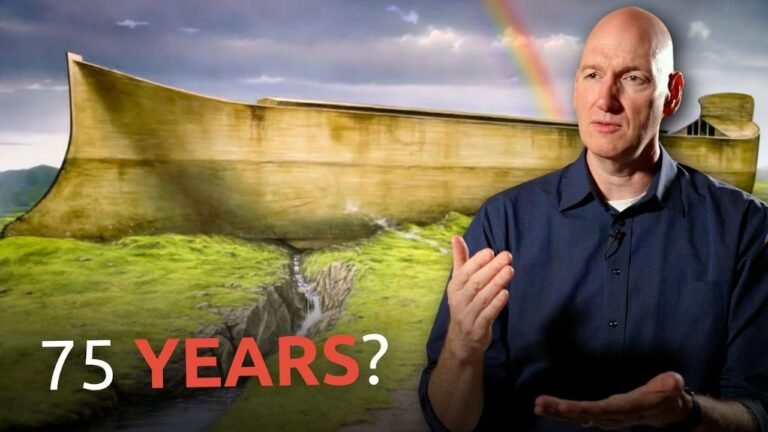
The Timeline of Noah’s Ark Construction
The story of Noah’s Ark captivates imaginations, but one question often lingers: how long did it take Noah to build the Ark? This intriguing inquiry not only delves into the biblical narrative but also invites exploration of the challenges, resources, and faith involved in such a monumental task. As we unravel the timeline and context surrounding this legendary construction, we gain insight into the perseverance and determination of one man’s mission to preserve life amidst impending disaster. Join us as we embark on a journey to uncover the timeframe of this iconic endeavor.
How much time passed before it rained after Noah constructed the ark?
After Noah completed the construction of the ark, the rains began when he was 600 years old, two months, and 17 days into his life. This significant event marked the start of a monumental period that lasted for 40 days and 40 nights, during which torrential rain fell upon the earth. Some interpretations suggest that the timeframe may carry metaphorical meaning, indicating an extended duration of rainfall and turmoil.
Following the initial deluge, the waters continued to prevail upon the earth for an additional 150 days, drastically altering the landscape and setting the stage for a new beginning. The timeline of these events highlights the gravity of Noah’s mission and the profound impact of the flood, emphasizing themes of renewal and divine intervention in the face of humanity’s challenges.
How many days did Noah spend searching for land?
Noah’s journey through the flood lasted a significant period, spanning five months from the onset of the deluge until his ark came to rest on the mountains. This timeframe is reflected in the biblical text, which notes that the waters receded over 150 days. While the calculations suggest an unrealistic five months of 30 days each, they align with the Babylonian astronomical calendar of 360 days, illustrating the ancient context in which these events were recorded. Ultimately, this timeline highlights the extraordinary endurance and faith exemplified in Noah’s story.
What is the number of years between Noah and Jesus?
The timeline between Noah and Jesus provides a fascinating glimpse into biblical history. According to the scriptures, Noah was 600 years old when the Great Flood occurred, which is estimated to be around 2370 B.C.E. This event marked a significant turning point in the biblical narrative, establishing Noah as a pivotal figure in the lineage that would eventually lead to Jesus.
Fast forward to the birth of Jesus, which is traditionally dated to 2 B.C.E. This period represents a significant transition from the old covenant of the Old Testament to the new covenant heralded by Christ’s arrival. The span of time between these two monumental events is decisivo for understanding the unfolding of biblical prophecy and the continuity of God’s plan for humanity.
When calculating the years between Noah and Jesus, we find a gap of 2368 years. This extensive timeline not only highlights the rich history embedded within the Bible but also underscores the importance of these figures in the faith narrative. The connection between these two pivotal moments invites deeper reflection on the themes of salvation and divine promise throughout history.
Discovering the Ancient Blueprint of a Legendary Vessel
In the heart of the Mediterranean, archaeological teams have unearthed remnants of a ship believed to date back to ancient times, captivating historians and maritime enthusiasts alike. This legendary vessel, thought to be a key player in trade routes of the past, offers a unique glimpse into the shipbuilding techniques and navigational prowess of an era long gone. The intricate design and craftsmanship suggest a level of sophistication that challenges our understanding of ancient maritime cultures and their ability to traverse vast oceans.
As researchers meticulously piece together the fragments of this remarkable find, they uncover clues that reveal the vessel’s construction methods and its role in the economy of its time. Each artifact, from the sturdy hull to the ornate figurehead, tells a story of adventure and exploration, igniting imaginations about the journeys it undertook. This discovery not only enriches our knowledge of maritime history but also serves as a reminder of humanity’s unyielding spirit of exploration and innovation in the face of the unknown.
From Vision to Voyage: The Ark’s Journey
In a world where imagination meets determination, the Ark’s journey began as a bold vision fueled by dreams of exploration and discovery. It was conceived not just as a vessel, but as a symbol of hope and resilience. The visionaries behind the Ark meticulously designed it to withstand the trials of the vast unknown, ensuring that every feature served a purpose in navigating both the uncharted waters and the challenges ahead.
As the Ark set sail, it transformed from a mere concept into a living testament of human ingenuity. The crew, united by a shared purpose, embraced the spirit of adventure, ready to confront whatever lay beyond the horizon. Each day brought new experiences and lessons, as they charted their course through unpredictable seas and weathered storms that tested their resolve. The journey became a tapestry of camaraderie, growth, and the relentless pursuit of knowledge.
With each passing moment, the Ark carved its legacy into the annals of exploration. The stories of triumph and tribulation echoed through the waves, inspiring those who looked to the sea with longing and curiosity. As the voyage continued, it became clear that the Ark was not just traversing the ocean; it was bridging the gap between dreams and reality, showing that every journey, no matter how daunting, begins with a single step forward.
Key Milestones in Building a Biblical Icon
Building a biblical icon involves a series of transformative milestones that shape both personal faith and community impact. The journey often begins with a deep exploration of scripture, where individuals immerse themselves in the teachings and stories that resonate with their beliefs. This foundational understanding not only strengthens personal convictions but also ignites a passion for sharing these insights with others, laying the groundwork for a broader influence.
As one progresses, the next key milestone is the cultivation of a supportive community. Engaging with like-minded individuals fosters accountability and encourages the sharing of diverse perspectives, enriching the overall experience. This collaborative environment serves as a springboard for outreach initiatives, enabling the biblical icon to extend their influence beyond personal circles. Ultimately, these milestones create a powerful narrative that inspires others and emphasizes the importance of faith-driven leadership in today’s world.
The Step-by-Step Story of Noah’s Ark Creation
In a world plagued by chaos and disobedience, Noah, a humble man of faith, was chosen by God to embark on an extraordinary mission: the creation of an ark to save his family and a pair of every animal from impending doom. Guided by divine instructions, Noah meticulously gathered materials, crafting the massive vessel with precision and care. As he assembled the ark, the community scoffed at his efforts, oblivious to the impending flood. With unwavering determination, Noah completed the task, bringing animals in two by two, showcasing the beauty of creation and the importance of preservation. As the rains began to fall, the ark symbolized hope and renewal, setting the stage for a new beginning in a cleansed world.
The timeline of Noah’s ark construction sparks intrigue and debate, inviting us to ponder the blend of faith, perseverance, and divine purpose behind this monumental task. While interpretations vary, the story serves as a powerful reminder of resilience in the face of overwhelming odds. Ultimately, whether the ark took decades or merely a few years, its legacy continues to inspire generations, encouraging us to reflect on our own journeys and the monumental challenges we might face.