The Historical Dynamics of Israel and Judah
The historical relationship between Israel and Judah is a captivating story of unity and division that shaped the ancient Near East. Emerging from a shared heritage, these two kingdoms experienced a tumultuous journey marked by political intrigue, cultural exchanges, and religious evolution. As they navigated the challenges of external threats and internal strife, Israel and Judah forged distinct identities while remaining intricately linked. Understanding their intertwined destinies offers valuable insights into the broader narrative of the region and the enduring impact of their legacies on contemporary society.
What distinguishes Judah from Israel?
The division of the ancient kingdom of Israel into two distinct entities occurred after the reign of King Solomon, marking a significant turning point in biblical history. The northern kingdom, known as Israel, comprised ten of the twelve tribes, while the southern kingdom, Judah, included the tribes of Judah and Benjamin. This split not only altered the political landscape but also set the stage for different cultural and religious developments within each kingdom.
As a result of this division, Israel and Judah experienced unique trajectories that would shape their identities for centuries to come. Israel, often characterized by its larger population and diverse influences, faced challenges from surrounding nations, leading to its eventual conquest. In contrast, Judah maintained a more centralized authority and a stronger connection to the Davidic lineage, which played a fundamental role in the religious narrative of the Jewish people. This historical separation laid the foundation for the distinct paths that both kingdoms would follow.
What were the reasons behind the division of Israel into Judah and Israel?
The division of the ancient Kingdom of Israel into two distinct entities—Israel and Judah—was a pivotal moment in biblical history, rooted in both rebellion and prophecy. After King Solomon’s reign, his servant Jeroboam led a revolt, resulting in the ten northern tribes choosing him as their king. Meanwhile, the tribes of Judah and Benjamin, along with the Levites, remained loyal to Solomon’s son, Rehoboam. This schism was not merely a political maneuver; it fulfilled a divine prophecy, highlighting the consequences of Solomon’s transgressions and setting the stage for the complex narrative of the Israelites that would unfold in the years to come.
What are Israel and Judah like in the present day?
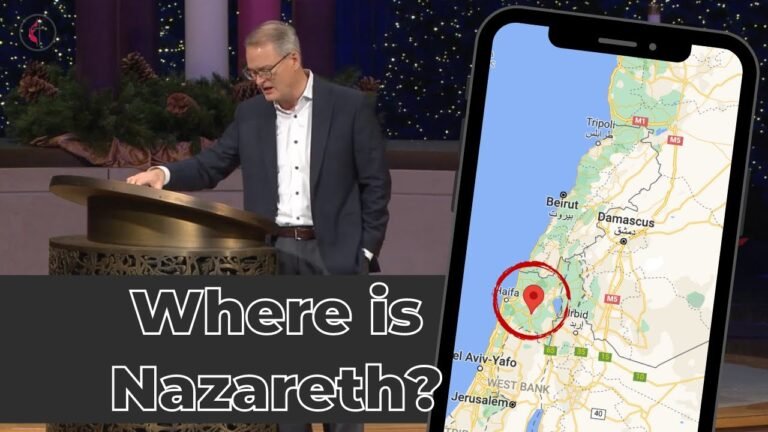
Today, the historical regions of Israel and Judah reflect a complex tapestry of identity and territorial claims. What was once known as Judah or Judea is now primarily recognized as the West Bank by Palestinians and many others, a term rooted in the area’s geographical history as the western part of Jordan. This nomenclature highlights the ongoing political and cultural tensions surrounding the region.
For Jewish Israelis, this land retains its ancient name, Judea, symbolizing a deep historical connection to their heritage. The term “Israel” is also frequently used, emphasizing the nation’s modern identity and the significance of the land in Jewish history and religion. This duality in naming underscores the differing perspectives that exist within the region.
As a focal point of historical significance and contemporary conflict, the areas once known as Israel and Judah continue to be at the heart of discussions about identity, sovereignty, and coexistence. The varied names used by different groups encapsulate the rich yet tumultuous history of this land, reflecting both a longing for connection and the challenges of reconciliation in a divided landscape.
Unraveling the Ancient Tapestry of Two Kingdoms
In the heart of an ancient landscape, two kingdoms thrived, each woven into the fabric of history with rich traditions and vibrant cultures. The Kingdom of Verenthia, known for its lush forests and intricate craftsmanship, stood in stark contrast to the arid expanse of Draxoria, where resilient warriors forged their legacy in the heat of battle. As trade routes blossomed between them, a tapestry of shared knowledge and innovation emerged, leading to a profound exchange of ideas that shaped their destinies.
Yet, beneath this surface of collaboration lay a complex web of rivalries and alliances, each kingdom vying for dominance while simultaneously recognizing the strength found in unity. Festivals celebrating their unique heritages brought both joy and tension, as artists and scholars from Verenthia and Draxoria mingled, creating masterpieces that reflected their intertwined fates. As these two realms navigated the challenges of their coexistence, their story became an enduring testament to the resilience of human spirit, forever echoing through the annals of time.
Power Struggles and Cultural Legacies
Throughout history, power struggles have shaped nations and civilizations, leaving indelible marks on their cultural legacies. From ancient empires to modern states, the quest for dominance has often led to conflict, reshaping geopolitical landscapes and influencing the social fabric of societies. These struggles are not merely battles for territory; they are contests of ideas, values, and identity that echo through generations, informing the narratives that define communities.
The impact of these power dynamics extends beyond the immediate consequences of conflict. As victors impose their ideologies and traditions, the cultural legacies of conquered peoples can become intertwined with those of the conquerors, creating a rich tapestry of shared histories. This blending often gives rise to new cultural expressions, fostering innovation while simultaneously raising questions about authenticity and ownership. The complexities of this interplay illustrate how power can both enrich and complicate cultural identities.
In contemporary society, the remnants of these historical power struggles continue to influence social and political discourse. Movements seeking justice and recognition often draw on the legacies of past conflicts, striving to reclaim narratives that have been marginalized or erased. As communities grapple with their histories, the challenge remains to honor these legacies while forging a path toward unity and understanding. In this ongoing dialogue, the lessons of the past can inform a more equitable future, where power is shared, and cultural heritage is celebrated.
The Interplay of Religion and Politics
Throughout history, the intersection of religion and politics has shaped societies in profound ways. Religious beliefs often influence political ideologies, guiding the moral compass of communities and informing public policy. This interplay can lead to the formation of powerful movements that advocate for social justice, human rights, and ethical governance. In many cultures, religious leaders emerge as key figures in political discourse, leveraging their influence to mobilize populations and challenge oppressive systems.
Conversely, the political landscape can significantly impact religious practices and institutions. Governments may seek to align themselves with dominant faiths, promoting a sense of national identity while marginalizing minority beliefs. This dynamic can create tensions, as religious groups fight for their rights and representation in the public sphere. As political power shifts, so too can the relationship between state and church, highlighting the fragility of religious freedoms in times of upheaval.
Ultimately, the dance between religion and politics is a complex one, marked by both cooperation and conflict. Understanding this relationship is fundamental for fostering dialogue and tolerance in an increasingly diverse world. As societies navigate the challenges posed by globalization and rapid change, the need for a balanced approach that respects both spiritual beliefs and democratic principles becomes ever more essential, paving the way for a more harmonious coexistence.
Lessons from a Divided History
Throughout history, divisions have often shaped societies in profound ways, leaving behind lessons that resonate even today. The fractures created by wars, political strife, and social upheaval have not only altered the course of nations but have also illuminated the importance of unity and understanding. As we reflect on these tumultuous times, we realize that progress often emerges from the ashes of conflict, compelling us to recognize our shared humanity in the face of adversity.
In examining the narratives of divided societies, we uncover the transformative power of dialogue and reconciliation. Historical examples show that when individuals and communities come together to confront their differences, they can forge paths toward healing and collaboration. The stories of reconciliation efforts, from post-apartheid South Africa to the peace processes in Northern Ireland, demonstrate how acknowledging past grievances can lead to a more inclusive and cohesive future. These experiences remind us that division is not an endpoint but a starting point for growth and mutual respect.
Ultimately, the lessons drawn from a divided history emphasize the necessity of empathy and collaboration in our global community. As we navigate the complexities of modern life, it is fundamental to remember that our differences can serve as a source of strength rather than a barrier. By fostering open communication and valuing diverse perspectives, we can build a more harmonious world, learning from the past to create a brighter, united future.
The historical narratives of Israel and Judah offer a profound glimpse into the complexities of identity, culture, and conflict in the ancient world. Their intertwined stories reflect not only the struggles for power and sovereignty but also the rich tapestry of shared heritage and faith that continues to resonate today. Understanding this dynamic relationship is essential for grasping the broader implications of their legacy in contemporary society, reminding us that the echoes of the past still shape our present and future.