Lucifer’s Fall from Heaven
The story of Lucifer cast out of heaven is a powerful narrative that resonates through centuries, symbolizing the eternal struggle between light and darkness. Often portrayed as the ultimate rebel, Lucifer’s fall from grace serves as a poignant reminder of the consequences of pride and ambition. This tale, rich in moral complexity, invites us to explore themes of redemption, free will, and the nature of good and evil, captivating audiences from ancient texts to modern interpretations. As we delve into this profound myth, we uncover the layers of meaning that continue to influence culture, art, and spirituality today.
Who cast Lucifer out of heaven among the archangels?
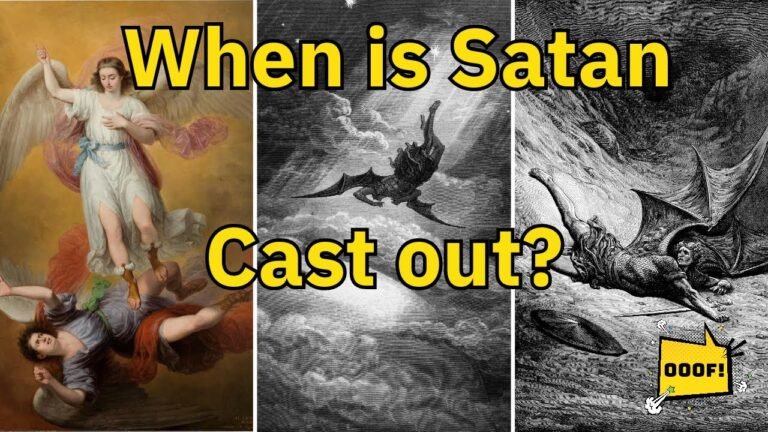
In the celestial realm, the battle between good and evil reaches its climax as Michael, the archangel, rises to confront Satan. This epic confrontation is vividly depicted in the Book of Revelation, where Michael leads the heavenly hosts against the rebellious forces of darkness. His unwavering strength and commitment to divine justice make him the ultimate defender of heaven and protector of God’s creation.
Revelation 12:7-12 captures this momentous struggle, illustrating how Michael engages in a fierce battle with Satan. Through his courage and determination, Michael triumphs, driving the accuser out of heaven and ensuring that evil no longer has a foothold in the presence of the Almighty. This pivotal act highlights the importance of Michael not only as a warrior but also as a symbol of hope and resilience against malevolence.
The expulsion of Lucifer marks a significant turning point in the cosmic narrative. By casting out the adversary, Michael restores order to the heavenly realms and reaffirms the sovereignty of God. His victory serves as a reminder that even in the face of overwhelming darkness, light and righteousness can prevail, inspiring believers to stand firm in their faith and trust in divine protection.
What information does the Bible provide about Lucifer?
Lucifer, once an exalted angel in the presence of God, represents the tragic fall from grace that echoes throughout biblical scripture. Described as a being of great authority and beauty, he ultimately chose rebellion against divine order, particularly against the Only Begotten Son. This choice set in motion a profound transformation from a revered angel to a figure associated with destruction and loss.
The consequences of Lucifer’s rebellion are poignantly captured in the sorrow expressed by the heavens. The narrative reflects not only the gravity of his actions but also the divine lamentation over his downfall. This sense of loss highlights the stark contrast between his former glory and his new identity as Perdition, underscoring the theme of free will and the repercussions of defiance against God.
In Christian theology, Lucifer’s story serves as a cautionary tale about pride and the dangers of straying from the path of righteousness. His descent into darkness is not merely a narrative of punishment but also a reminder of the importance of humility and allegiance to divine will. Through this account, believers are encouraged to reflect on their own choices and the eternal significance of remaining steadfast in faith.
What is Ezekiel’s perspective on Lucifer?
Ezekiel vividly depicts the fall of Lucifer, emphasizing a dramatic expulsion from a place of divine favor. He describes Lucifer as a once-glorious being, now cast out as a profane entity, stripped of his former glory among the fiery stones. This powerful imagery underscores the stark transformation from exaltation to destruction, highlighting the consequences of pride and rebellion against God.
The Untold Story of Rebellion and Redemption
In a world where oppression stifles dreams, a group of unlikely heroes rises to challenge the status quo, igniting a fire of rebellion that echoes through the ages. Each member of this diverse band carries their own scars and stories of loss, yet it is their shared resolve that binds them together in their quest for justice. As they navigate treacherous landscapes—both physical and emotional—they uncover not only the strength born from unity but also the transformative power of forgiveness. Through their struggles, they learn that redemption is not merely a destination, but a journey that reshapes their identities and rekindles hope in a society desperate for change.
From Light to Darkness: The Journey of a Fallen Angel
Once a radiant being of pure light, the fallen angel now navigates the shadows, a poignant reminder of the fragile line between grace and despair. In the heavenly realms, they soared with an ethereal beauty, spreading love and hope among the stars. However, a moment of pride and defiance led to their banishment, casting them into a world where brilliance fades to obscurity. The journey through darkness unveils a deeper understanding of sacrifice and loss, as the fallen angel grapples with the consequences of their choices.
As they traverse this new reality, the fallen angel discovers the strength that resides in vulnerability and the power of redemption. Encounters with lost souls and tormented spirits ignite a flicker of hope within, challenging the narrative of their despair. Each connection reminds them that even in the depths of darkness, moments of light can emerge—offering a chance for rebirth. Ultimately, the journey transforms into a quest not just for redemption, but for the restoration of their once-glorious essence, bridging the gap between light and shadow.
The Struggle Between Divine Order and Free Will
In a world where the forces of divine order and free will constantly collide, humanity finds itself navigating a complex landscape of choices and consequences. The belief in a higher power often presents a structured framework for understanding existence, suggesting that every event unfolds according to a grand design. Yet, this notion is frequently challenged by the intrinsic human desire for autonomy, where individuals seek to carve their own paths and define their destinies. This ongoing struggle invites profound questions about the nature of fate: Are our lives predetermined, or do we hold the reins of our own future?
As we grapple with these philosophical dilemmas, the tension between divine guidance and personal agency shapes our moral landscapes. Each decision we make reflects not only our own aspirations but also the influence of a greater cosmic order. This interplay encourages a deeper exploration of accountability and purpose, compelling us to consider how our choices reverberate within the universe. Ultimately, the balance between surrendering to divine will and asserting our free will illuminates the intricacies of the human experience, revealing a rich tapestry woven from both faith and individuality.
The story of Lucifer cast out of heaven serves as a powerful reminder of the consequences of pride and rebellion. It illustrates the timeless struggle between light and darkness, inviting reflection on the choices we make in our own lives. This narrative not only captivates the imagination but also challenges us to consider the deeper moral implications of our actions, urging a commitment to humility and integrity in a world often swayed by temptation.