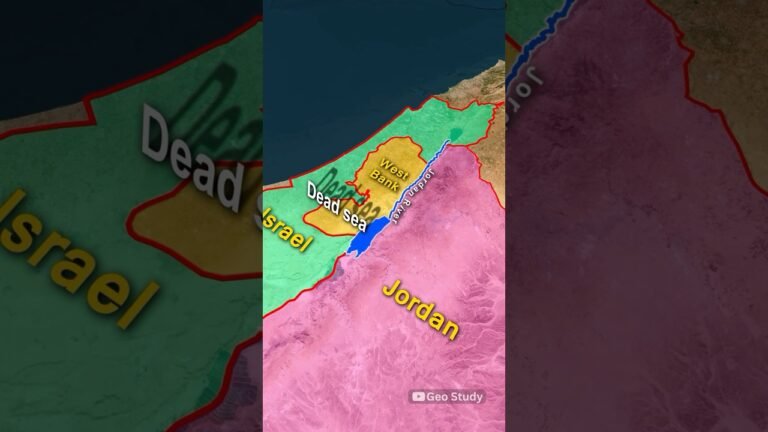
Exploring the Jordan River: A Comprehensive Map Guide
The Jordan River, a vital waterway steeped in history and spirituality, meanders through the heart of the Middle East, connecting diverse landscapes and cultures. This river, often referenced in religious texts, serves as a natural border between Israel and Jordan, making it a focal point for both pilgrimage and exploration. A detailed map of the Jordan River reveals its winding path, highlighting key sites along its banks, from ancient cities to modern-day attractions. As we delve into the significance and beauty of this iconic river, we uncover not only its geographical features but also its profound impact on the region’s heritage and identity.
What are the key features of the Jordan River map?
The map of the Jordan River highlights its course, major tributaries, surrounding regions, historical sites, and key geographical landmarks for better understanding and navigation.
What are the starting and ending points of the Jordan River?
The Jordan River begins its journey in the majestic heights of Mount Hermon, where its waters spring forth from the lush plains. This ancient watercourse meanders southward through northern Israel, gathering strength and significance as it flows toward the serene expanse of the Sea of Galilee. The river’s connection to this freshwater lake is not only vital for the region’s ecology but also steeped in historical and cultural importance.
As the Jordan River exits the Sea of Galilee, it embarks on its final leg through a landscape rich in biblical heritage. The river winds its way south, carving through the terrain until it reaches its ultimate destination: the Dead Sea. This remarkable body of water is famous for its high salinity and unique mineral properties, making it a natural wonder and a popular destination for visitors seeking its therapeutic benefits.
The Dead Sea, lying at a staggering 430 meters below sea level, holds the title of Earth’s lowest land point. The contrast between the vibrant life along the Jordan River and the stark, otherworldly landscape of the Dead Sea highlights the river’s vital role in shaping the region’s geography and ecology. From its pristine beginnings on Mount Hermon to its dramatic ending, the Jordan River is a symbol of resilience and continuity in a land rich with history and significance.
What makes the Jordan River unique?
The Jordan River holds a unique place in the hearts of Christians, Jews, and Muslims, serving as a significant spiritual symbol for all three faiths. Its waters are steeped in history, most notably recognized as the site where Jesus was baptized by St. John the Baptist. This event not only marks a pivotal moment in Christian teachings but also highlights the river’s longstanding importance in the broader religious narrative.
Throughout centuries, the Jordan has continued to attract pilgrims and worshippers, making it a revered destination for those seeking spiritual renewal. Many visitors come to partake in baptisms, immersing themselves in the same waters that have inspired countless generations. This practice serves as a profound connection to faith and tradition, reinforcing the river’s status as a sacred site.
Beyond its religious significance, the Jordan River’s natural beauty enhances its allure. Flowing through lush landscapes and historic regions, it offers a serene environment for reflection and contemplation. As a symbol of hope and renewal, the Jordan River remains a vital thread in the tapestry of spiritual life, uniting diverse communities in their reverence for its waters.
What is the depth of the deepest section of the Jordan River?
The Jordan River, a vital waterway in the Jordan Rift Valley, meanders its way to the Dead Sea, showcasing both natural beauty and historical significance. Despite its relatively modest width, only about 20 yards in some locations, the river plunges to a depth of approximately 17 feet at its deepest point. Originating from tributaries at the base of Mount Hermon and flowing through the serene Kinneret, the Jordan River plays a imprescindible role in the region’s ecology and cultural heritage before it ultimately converges into the saline depths of the Dead Sea.
Navigate the Beauty: Your Ultimate Guide to the Jordan River
Flowing through history and nature, the Jordan River is a mesmerizing tapestry of landscapes and cultural significance. From its serene banks, where ancient stories intertwine with the vibrant ecosystems, to the spiritual sites that dot its course, this river offers a unique journey for travelers and pilgrims alike. With opportunities for adventure, reflection, and exploration, visitors can immerse themselves in the rich heritage and breathtaking scenery that define this iconic waterway. Whether you’re seeking moments of tranquility or thrilling outdoor activities, the Jordan River invites you to discover its beauty and the stories it holds.
Discover Hidden Gems: Mapping the Jordan River Experience
The Jordan River, a tapestry of rich history and natural beauty, invites travelers to explore its hidden gems that often go unnoticed. From serene lakeside spots to lush nature reserves, the river’s banks are dotted with enchanting locales offering a perfect blend of adventure and tranquility. Visitors can immerse themselves in the vibrant ecosystem, where the gentle flow of the water harmonizes with the sounds of chirping birds and rustling leaves. Each turn along the river unveils a new experience, whether it’s kayaking through calm waters or enjoying a peaceful picnic surrounded by stunning landscapes.
As you journey along the Jordan River, you’ll encounter not only breathtaking scenery but also a wealth of cultural heritage. Ancient towns and archaeological sites whisper stories of the past, inviting curious minds to delve deeper into the region’s significance. Engaging with local communities enhances the experience, allowing travelers to savor traditional cuisine and participate in age-old customs. The Jordan River is more than just a destination; it’s a captivating adventure that blends nature, history, and culture, making it a must-visit for those seeking to uncover the true essence of this remarkable region.
Journey Through Time: A Detailed Overview of the Jordan River
The Jordan River, a vital waterway steeped in history and spirituality, meanders through the heart of the Middle East, forming a natural boundary between Israel and Jordan. Stretching approximately 156 miles, this iconic river has been a witness to countless events, from biblical tales to modern-day conflicts. Its waters, rich with significance, have nourished ancient civilizations and continue to support diverse ecosystems. Today, the Jordan River serves not only as a geographical landmark but also as a symbol of peace and resilience, attracting pilgrims and tourists eager to explore its serene landscapes and deep-rooted heritage. As we journey along its banks, we uncover the intricate tapestry of culture and history that defines this remarkable waterway.
From Source to Sea: Unveiling the Jordan River’s Pathway
The Jordan River, a lifeline of the region, flows gracefully from the lush highlands of Mount Hermon to the expansive shores of the Dead Sea. This iconic waterway, steeped in history and spirituality, serves as a natural boundary between nations while nurturing diverse ecosystems along its banks. As it meanders through rugged landscapes and fertile plains, the river provides essential resources for agriculture and communities, reflecting the delicate balance of nature and human life.
As it journeys toward the sea, the Jordan River reveals its dynamic character, shaped by centuries of cultural significance and environmental challenges. Along its path, it witnesses the interplay of ancient traditions and modern demands, highlighting the importance of sustainable practices to preserve its vitality. The river’s story is not just one of water; it embodies the hopes and struggles of the people who depend on it, inviting us to explore its depths and understand its role in connecting lands and lives.
The map of the Jordan River is not just a geographical representation; it embodies a rich tapestry of history, culture, and spirituality. From its ancient significance in biblical narratives to its role in modern ecological and geopolitical discussions, the river continues to shape the lives of those who inhabit its banks. Understanding its course through both time and terrain offers invaluable insights into the region’s past and present, inviting exploration and appreciation for its enduring legacy.