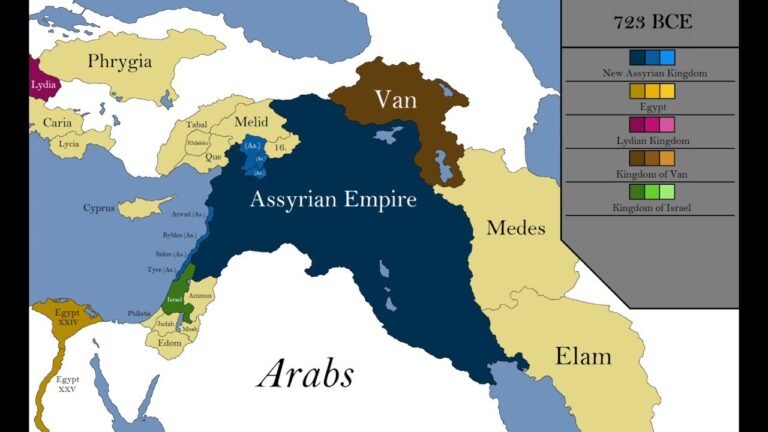
Exploring the Near East: A Comprehensive Map Guide
The Near East, a region rich in history and cultural diversity, has long captivated scholars and travelers alike. A near east map serves as a vital tool for understanding the intricate tapestry of landscapes, cities, and historical sites that define this area. From the ancient ruins of Mesopotamia to the bustling markets of modern-day Istanbul, exploring a near east map reveals the connections and contrasts that have shaped civilizations over millennia. Join us as we journey through this fascinating region, uncovering its secrets and significance through the lens of geography.
What regions are included in the Near East?
The Near East, often synonymous with the Middle East, encompasses a diverse and historically rich region that has played a pivotal role in the development of human civilization. This area includes a variety of countries, each with its own unique cultural, religious, and geographical characteristics. The nations of the Arabian Peninsula, Cyprus, and Egypt are central to this region, alongside key players like Iraq, Iran, Israel, Jordan, Lebanon, and Syria.
In addition to these core countries, the Palestinian territories and Turkey also form part of the Near East, contributing to its complex tapestry of cultures and histories. The inclusion of Afghanistan in some definitions highlights the broader connections and interactions that transcend geographic boundaries. This region has long been a crossroads of trade, migration, and cultural exchange, making it a focal point for understanding global history and dynamics.
The Near East’s significance extends beyond its historical context; it continues to influence contemporary geopolitics, economics, and social issues. As nations within this region navigate challenges and opportunities, the interconnectedness of their histories and futures becomes increasingly apparent. Understanding the Near East is essential for grasping the intricate relationships that shape our world today.
What distinguishes the Near East from the Middle East?
The terms “Near East” and “Middle East” have evolved significantly over time, reflecting geopolitical changes and cultural perceptions. Prior to World War I, “Near East” primarily encompassed the Balkans and the territories of the Ottoman Empire, signifying regions that were geographically closer to Europe. In contrast, “Middle East” referred to a broader expanse that included the Caucasus, Persia, and Arabian lands, extending to areas like Afghanistan and India at times.
In contemporary usage, the distinction between these terms has largely faded, with “Middle East” becoming the dominant label for the region that includes various countries in Southwest Asia and parts of North Africa. However, the historical context remains imprescindible, as the shifting definitions highlight the complexities of cultural identity and historical relationships in these regions. The criticism of these terms often revolves around their Eurocentric origins and the implications they carry in modern discourse, prompting ongoing discussions about representation and regional identity.
What distinguishes the Near East from the Far East?
The Near East historically referred to regions such as the Ottoman Empire and the Balkans, representing a geographical area that was central to early civilizations and trade routes. This term has evolved over time, and today it often overlaps with what is commonly called the Middle East, which extends from the Persian Gulf to Southeast Asia, encompassing a broader range of cultures and nations.
In contrast, the Far East denotes countries in East Asia that face the Pacific Ocean, including nations like China, Japan, and Korea. This designation highlights a distinct cultural and geographical identity, setting it apart from the Near East. While both terms have shifted in meaning over the years, they continue to reflect the rich tapestry of history and diversity found across these regions.
Navigate the Rich Tapestry of Culture and History
Explore the vibrant interplay of culture and history that defines our world, where each thread tells a unique story. From ancient civilizations that laid the foundations of society to contemporary movements shaping our future, our journey through time reveals how traditions, art, and language reflect the essence of human experience. Every landmark and artifact serves as a testament to our shared heritage, inviting us to delve deeper into the narratives that connect us across generations.
As we navigate this rich tapestry, we discover the beauty of diversity and the strength it brings to our communities. Festivals, culinary traditions, and artistic expressions showcase the myriad ways cultures celebrate life and foster connections. By embracing this intricate mosaic, we not only honor the past but also enrich our present, cultivating empathy and understanding in an increasingly interconnected world. Let this exploration inspire a collective appreciation for the stories that shape our identities and the legacies we carry forward.
Your Essential Companion to the Near East
Discover the vibrant tapestry of the Near East, where ancient history meets modern culture in a seamless blend. From the bustling markets of Istanbul to the serene landscapes of Petra, this region offers a wealth of experiences that captivate the senses. Immerse yourself in the rich traditions, savor authentic cuisines, and explore iconic landmarks that tell stories of civilizations long past. Whether you’re wandering through the ruins of Babylon or enjoying the hospitality of a Bedouin camp, the Near East invites you on an unforgettable journey that promises to enrich your understanding of this diverse and dynamic part of the world.
Unveiling Hidden Gems of the Region
Nestled between rolling hills and shimmering lakes, the region is a treasure trove of hidden gems waiting to be discovered. Quaint villages boast artisanal shops and vibrant local markets, where visitors can sample homemade delicacies and handcrafted goods. Scenic hiking trails lead to breathtaking viewpoints, revealing panoramic vistas that capture the heart of nature’s beauty. Each corner of this enchanting area tells a story, from historic landmarks steeped in culture to serene spots perfect for reflection. As you explore, you’ll find that every encounter and discovery adds to the rich tapestry of experiences that make this region truly unforgettable.
Charting the Path to Adventure and Discovery
Embarking on a journey often begins with a single step into the unknown, where every twist and turn brings the promise of new experiences. Whether it’s trekking through lush forests, scaling majestic mountains, or exploring vibrant cultures, adventure invites us to break free from the mundane. Each destination offers a unique story, waiting to be uncovered, igniting our curiosity and fueling our desire for discovery. The thrill of navigating unfamiliar terrains not only broadens our horizons but also deepens our understanding of the world around us.
As we chart our path, we learn to embrace uncertainty and challenge our limits, transforming obstacles into opportunities for growth. The connections we forge along the way, with nature and fellow adventurers alike, enrich our journey and create lasting memories. This relentless pursuit of exploration fosters resilience and ignites a passion for life that resonates long after the adventure ends. Ultimately, the journey itself becomes a tapestry woven with moments of joy, learning, and inspiration, reminding us that the world is a vast playground waiting to be explored.
A Visual Journey Through Time and Terrain
Embarking on a visual journey through time and terrain reveals the breathtaking interplay between nature and history. Each landscape tells a story, from the ancient mountains that have weathered millennia to the fertile valleys that have nurtured civilizations. Stunning vistas of craggy cliffs and tranquil lakes serve as a canvas, illustrating the gradual transformations shaped by geological forces and human ingenuity. As we traverse these diverse environments, we gain insight into the past, experiencing the echoes of bygone eras that still resonate in the present.
The vibrant colors of the earth’s palette invite us to reflect on our connection to the land. From the rust-red deserts that stretch endlessly to the lush greenery of dense forests, each scene is a reminder of the beauty and resilience of our planet. Photographs and art capture these moments, allowing us to pause and appreciate the intricate details of flora and fauna, and the delicate balance of ecosystems. This journey not only enriches our understanding of the world but also encourages us to cherish and protect the landscapes that have shaped our history and continue to inspire future generations.
The near east map serves as an essential tool for understanding the rich tapestry of history, culture, and geography that defines this pivotal region. By providing a visual context, it helps us navigate the complexities of its landscapes and the interconnectedness of its peoples. Embracing this knowledge not only enhances our appreciation of the near east but also fosters a deeper engagement with its dynamic present and promising future.