Olympics Controversy: Mocks and Faith
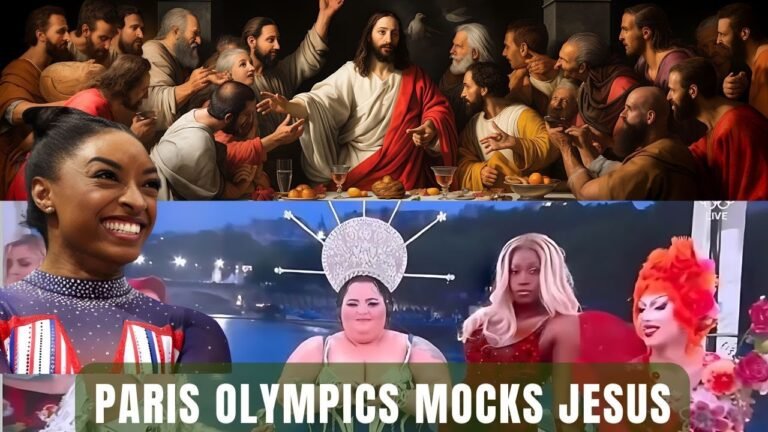
In a bold and controversial move, the upcoming Olympics has sparked debates by incorporating elements that some believe mock religious figures, specifically Jesus. This decision has ignited a firestorm of reactions from various communities, raising questions about the intersection of sport, culture, and faith. As the world tunes in to celebrate athletic excellence, the potential for offense looms large, prompting discussions about the boundaries of artistic expression and respect for deeply held beliefs.
Is the Olympics disrespecting Christian values?
Some believe the Olympics may undermine Christian values through secularism and commercialization, but opinions vary widely on this topic.
Is the Olympics a parody of the Last Supper?
The opening ceremony of the Olympics sparked intriguing discussions about its artistic influences, particularly regarding the depiction of a ceremonial feast. While some observers drew parallels to the iconic Last Supper, the artistic director, Thomas Jolly, clarified that the scene draws inspiration from a different source altogether. It pays homage to a vibrant pagan celebration centered around Dionysus, the Greek god known for his associations with fertility, wine, and revelry.
By embracing the spirit of Dionysian festivities, the ceremony moves away from traditional religious interpretations and instead highlights a cultural celebration that emphasizes joy and community. This choice reflects a conscious effort to connect with ancient roots while showcasing the rich tapestry of human expression that transcends time, inviting audiences to experience a moment of collective festivity rather than a mere historical reference.
Can you provide an example of mocking Jesus?
The mocking of Jesus is vividly illustrated in the moments leading up to His crucifixion. In a display of cruelty, the guards blindfolded Him and subjected Him to physical abuse while jeering, “Prophesy! Who hit you?” This moment not only highlights the brutality He endured but also serves as a profound commentary on the scorn directed at His divine identity. The guards, representing the authorities of the time, reveled in their power, showcasing a stark contrast to Jesus’ teachings of love and humility.
In this poignant scene, the mocking becomes a twisted form of mockery against the very essence of prophecy and divinity that Jesus embodied. The guards, referred to in different translations as those who “held” or “guarded” Jesus, reveal the deep irony of their actions. They were unwittingly participating in a narrative that would ultimately affirm His role as the Messiah, even as they belittled Him in their ignorance. This juxtaposition of power and vulnerability encapsulates the tragedy of His suffering and the profound sacrifice made for humanity.
What is the Bible’s perspective on the Olympics?
While the Bible does not specifically address the Olympic Games, it offers a wealth of imagery drawn from sports and athletic competition, particularly in the writings of Paul. He frequently employs metaphors related to running, training, and competing to illustrate spiritual truths and the importance of perseverance in the Christian faith. These references resonate with the ethos of the Olympics, celebrating discipline, dedication, and striving for excellence.
The absence of direct mention of the Olympics in biblical texts does not diminish the relevance of athletic imagery in conveying moral and spiritual lessons. Paul’s analogies invite believers to view their spiritual journey as a race, encouraging them to run with purpose and focus. In this way, the spirit of competition and achievement found in the Olympics can serve as a powerful parallel to the pursuit of faith and personal growth.
Unpacking the Debate: Sportsmanship vs. Ethics
At the heart of competitive sports lies a profound debate between sportsmanship and ethics, often challenging players and organizations alike. Sportsmanship embodies the spirit of fair play, respect for opponents, and graciousness in victory or defeat. It encourages athletes to celebrate the game itself, fostering camaraderie and mutual respect among competitors. However, as the stakes in sports continue to rise, the lines between sportsmanship and the ethical responsibilities of athletes can become blurred, leading to critical discussions on what it means to compete honorably.
Ethics in sports extends beyond mere behavior on the field; it encompasses the integrity of the game, adherence to rules, and the moral obligations of athletes and officials. When athletes prioritize winning over fair play, they may resort to unsportsmanlike conduct, cheating, or exploitation, which can undermine the very foundation of their sport. This ethical dilemma raises questions not only about individual actions but also about the influence of coaches, sponsors, and governing bodies in shaping a culture that either promotes or diminishes ethical standards.
Ultimately, the intersection of sportsmanship and ethics challenges both athletes and fans to reflect on their values and expectations. By fostering a culture that prioritizes ethical behavior alongside sportsmanship, the sports community can ensure that competition remains a platform for personal growth, integrity, and respect. Striking the right balance between these two ideals is essential for the future of sports, as it shapes not only the experience of athletes but also the lessons learned by generations to come.
The Thin Line: Humor and Seriousness in Competition
In the world of competition, the balance between humor and seriousness can be both a delicate and a powerful dynamic. Laughter often serves as a unifying force, breaking down barriers and creating camaraderie among competitors. A well-timed joke can diffuse tension, reminding participants that, while the stakes may be high, the joy of the experience is equally important. This light-hearted approach encourages a healthy atmosphere, allowing individuals to showcase their skills without the weight of excessive pressure.
However, the seriousness of competition cannot be overlooked. It demands focus, discipline, and a relentless pursuit of excellence. In high-stakes environments, competitors must navigate their ambitions and goals with a level of gravitas that honors the effort and dedication required to succeed. This juxtaposition of levity and seriousness fosters resilience, enabling competitors to learn from both their triumphs and setbacks while maintaining a sense of perspective on their journey.
Ultimately, the interplay of humor and seriousness in competition enriches the experience for everyone involved. It creates a unique environment where individuals can push their limits while also enjoying the process. By embracing this duality, competitors cultivate not only a strong work ethic but also lasting connections that transcend the competitive arena, proving that success is not solely defined by victories, but by the shared experiences and laughter along the way.
Faith and Fair Play: Navigating Olympic Values
The Olympics stand as a testament to the enduring spirit of competition, uniting athletes from diverse backgrounds under a shared banner of excellence and integrity. At the heart of this global celebration lies the principle of fair play, which transcends mere adherence to rules. It embodies respect, camaraderie, and the pursuit of personal and collective goals, encouraging participants to strive for their best while honoring their rivals. This commitment to ethical conduct not only elevates the competition but also inspires millions around the world to embrace these values in their own lives.
Faith plays a determinante role in the Olympic journey, serving as both a personal anchor and a source of motivation for many athletes. Whether it is faith in their training, belief in their abilities, or spiritual convictions, these elements empower competitors to push through challenges and setbacks. The Olympic stage becomes a platform for athletes to express their values and convictions, fostering a sense of community that extends beyond the games. This intersection of faith and sport illustrates how deeply intertwined these elements are, reinforcing the idea that true triumph is measured not just in medals but in the character and resilience displayed throughout the journey.
As we celebrate the Olympics, we are reminded that the essence of this grand event lies in the values it promotes—faith in oneself and fair play towards others. These ideals resonate far beyond the confines of the stadium, encouraging individuals to cultivate sportsmanship and integrity in everyday life. By upholding these principles, we can create a more harmonious world where competition is not just about winning, but about fostering respect, understanding, and unity among all. In this way, the Olympic spirit becomes a beacon of hope and inspiration, guiding us all towards a brighter future.
Voices of Dissent: Perspectives on Olympic Integrity
In the shadow of the Olympic Games, where athletic excellence and global unity are celebrated, dissenting voices emerge, advocating for a deeper examination of integrity within the Olympic movement. Critics argue that behind the glittering façade lies a complex web of corruption, human rights abuses, and environmental concerns that often go unchecked. These perspectives call for transparency and accountability, urging stakeholders to prioritize the values of fairness and respect over profit and spectacle. As the world tunes in to witness extraordinary feats of human achievement, the ongoing dialogue about the ethical implications of the Games challenges us to rethink what it truly means to compete on the world stage.
The juxtaposition of the Olympics with depictions that mock Jesus raises important questions about the boundaries of artistic expression and cultural sensitivity. As society navigates the intersection of sports and personal beliefs, it becomes determinante to foster dialogue that respects diverse perspectives while celebrating the spirit of the Games. Ultimately, striking a balance between creativity and respect can pave the way for a more inclusive and harmonious global community.