Pope’s Stance on Transgender Issues: A Path to Understanding
In a world grappling with rapid social change, the Pope’s stance on transgender issues has sparked significant debate and reflection. As leader of the Catholic Church, his views carry immense weight, influencing millions around the globe. This article delves into the complexities of the Pope’s messages regarding transgender individuals, exploring their implications for faith, acceptance, and the ongoing dialogue within religious communities.
What is the Pope’s stance on transgender rights?
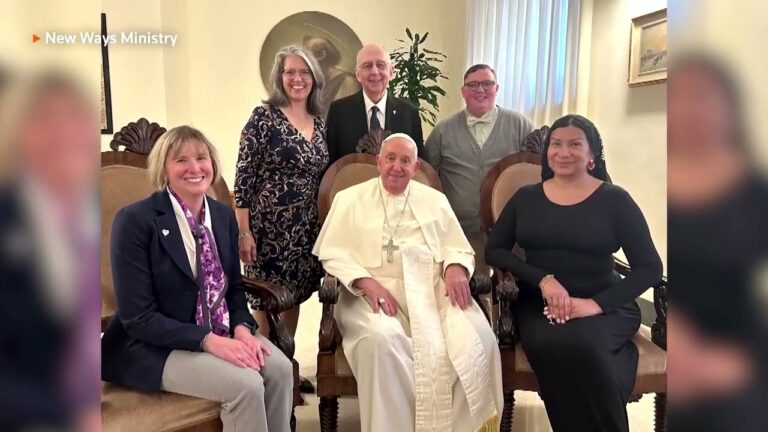
The Pope emphasizes compassion and understanding for transgender individuals, advocating for their dignity while upholding traditional Catholic teachings on gender.
Is it possible to be both transgender and Catholic?
The intersection of being transgender and Catholicism presents a complex landscape shaped by diverse beliefs and practices within the Church. While official doctrine can be restrictive, the experiences of individuals often reveal a more nuanced reality. Many transgender individuals find themselves navigating a faith that can both challenge and uplift their identities, depending on the local parish and community.
In the United States, the Catholic Church is not a single, unified entity when it comes to transgender issues. Some dioceses have taken a rigid stance, issuing guidelines that discourage the recognition of gender transitions. This has led to a sense of exclusion for many, who feel their authentic selves are at odds with the Church’s teachings. Yet, there are also communities that embrace inclusivity, offering support and acceptance to transgender individuals seeking a spiritual home.
One such example is the Church of Our Lady of Grace in Hoboken, New Jersey, which stands out for its welcoming approach. This parish illustrates that there are spaces within Catholicism where transgender people can find affirmation and belonging. As the conversation around gender and faith continues to evolve, these inclusive communities serve as critical beacons of hope, encouraging dialogue and understanding within the broader Church.
What is the Vatican’s stance on gender?
The Vatican firmly upholds its stance against “gender theory,” emphasizing that God designed humanity as distinct male and female beings, each with unique biological differences. This position reflects a belief that altering one’s gender goes against divine intention, urging individuals to respect the natural order rather than attempting to redefine it. The Church’s message underscores a commitment to traditional values, urging adherence to what it sees as an unchangeable aspect of human identity.
Is it possible for a woman to become the pope?
The Catholic Church’s tradition is deeply rooted in the choices made by Jesus Christ during His ministry, particularly in the selection of the twelve apostles, all of whom were men. This foundational aspect is not merely historical but is viewed as a divine mandate that shapes the Church’s understanding of its leadership and sacramental life. The Church believes that it is irrevocably bound by this choice, which underscores the significance of the male priesthood.
As a result, the ordination of women as priests or in roles equivalent to the papacy is not permissible within the Church’s current framework. This stance is upheld by Church doctrine and reinforced through centuries of theological reflection. The belief is that the sacramental nature of the priesthood requires an adherence to the model established by Christ, thus excluding women from these specific roles.
Nonetheless, the Church continues to affirm the vital contributions of women in various capacities, recognizing their essential roles in the life of the Church. While the papacy remains reserved for men, women are celebrated for their leadership, service, and dedication in numerous ministries and activities within the Church community. This ongoing dialogue about women’s roles reflects a broader understanding of their importance, even as the traditional structures remain unchanged.
Bridging Faith and Identity
In a world where diverse beliefs and cultures intersect, the journey of bridging faith and identity becomes vital for fostering understanding and acceptance. This delicate balance empowers individuals to embrace their spiritual heritage while also celebrating their unique backgrounds. By encouraging open dialogue and shared experiences, communities can cultivate a rich tapestry of beliefs that honors both tradition and individuality. As we navigate this intricate landscape, we discover that our differences can unite us, creating a more inclusive society where faith and identity coexist harmoniously.
Embracing Dialogue in Diversity
In an increasingly interconnected world, embracing dialogue in diversity has never been more essential. Engaging in conversations that celebrate different perspectives fosters understanding and compassion, creating a foundation for collaboration and innovation. By inviting voices from various backgrounds into the discussion, we not only enrich our own viewpoints but also empower others to share their stories. This exchange lays the groundwork for a more inclusive society, where differences are not merely tolerated but celebrated as strengths.
Moreover, dialogue serves as a bridge between cultures, breaking down barriers and dispelling misconceptions. When we actively listen and respond to one another with openness and respect, we cultivate an environment where creativity thrives and solutions to complex challenges emerge. By prioritizing these conversations, we not only enhance our individual growth but also contribute to a collective harmony that can transform communities. Embracing dialogue in diversity is not just a choice; it is a necessity for a thriving future.
Navigating Gender and Spirituality
In today’s world, the intersection of gender and spirituality presents a rich tapestry of exploration and understanding. As individuals seek to define their spiritual paths, many find that their gender identity plays a fundamental role in shaping their beliefs and practices. This journey often involves challenging traditional norms and embracing a more inclusive perspective that honors diverse experiences. By acknowledging the unique spiritual needs and expressions of all genders, communities can foster a deeper connection to both the sacred and one another.
Navigating this landscape requires an openness to dialogue and a willingness to adapt spiritual frameworks that have historically marginalized certain identities. Embracing gender fluidity and non-binary experiences within spiritual contexts can lead to transformative practices that empower individuals and promote collective healing. As we create spaces where everyone feels seen and valued, we enrich our spiritual lives and contribute to a more equitable society, ultimately illuminating the paths for future generations to explore their identities with confidence and grace.
Compassionate Conversations on Identity
In a world increasingly defined by diversity, the importance of compassionate conversations about identity cannot be overstated. These dialogues, rooted in empathy and understanding, allow individuals to share their unique experiences and perspectives, fostering a sense of belonging. By actively listening and engaging with one another, we break down barriers and challenge stereotypes, creating a space where everyone feels valued and respected. Such discussions not only illuminate the richness of our varied identities but also remind us of our shared humanity.
As we navigate the complexities of identity, it is essential to approach these conversations with an open heart and mind. By embracing vulnerability and authenticity, we create opportunities for genuine connections that transcend superficial differences. This commitment to compassion cultivates a culture of acceptance, empowering individuals to express their true selves without fear of judgment. Ultimately, these meaningful exchanges can inspire societal change, paving the way for a more inclusive future where every voice is heard and celebrated.
A Journey Toward Acceptance and Inclusion
In a world that often feels divided, the journey toward acceptance and inclusion serves as a beacon of hope. It begins with understanding our differences and recognizing the richness they bring to our communities. Embracing diversity allows us to break down barriers, fostering environments where everyone feels valued and heard. This collective effort inspires meaningful connections, empowering individuals to share their stories and experiences, ultimately enriching our shared humanity.
As we navigate this path, it is essential to cultivate empathy and open-mindedness. By actively listening and engaging with those from different backgrounds, we can challenge preconceived notions and dismantle stereotypes. This transformative process not only enhances our personal growth but also strengthens the fabric of society, creating a tapestry woven from the threads of varied perspectives. Together, we can build a future where acceptance and inclusion are not just ideals, but lived realities for all.
The Pope’s recent remarks on transgender issues signify a pivotal moment in the ongoing dialogue between faith and gender identity. By fostering a more inclusive environment within the Church, he encourages compassion and understanding, challenging traditional norms and inviting deeper conversations about love and acceptance. This evolving perspective not only resonates with many in the LGBTQ+ community but also highlights the need for empathy in a world increasingly defined by diversity. The journey towards reconciliation between doctrine and personal identity continues, paving the way for a more harmonious coexistence.