
The Meaning of INRI on the Cross of Christ
Have you ever wondered what the letters INRI on the cross of Christ mean? These four letters are an abbreviation for the Latin phrase Iesus Nazarenus, Rex Iudaeorum, which translates to Jesus of Nazareth, King of the Jews. In this article, we will delve into the significance and symbolism of INRI in the context of Jesus’ crucifixion, shedding light on its profound meaning in Christian theology and history.
What does INRI mean on the Catholic cross?
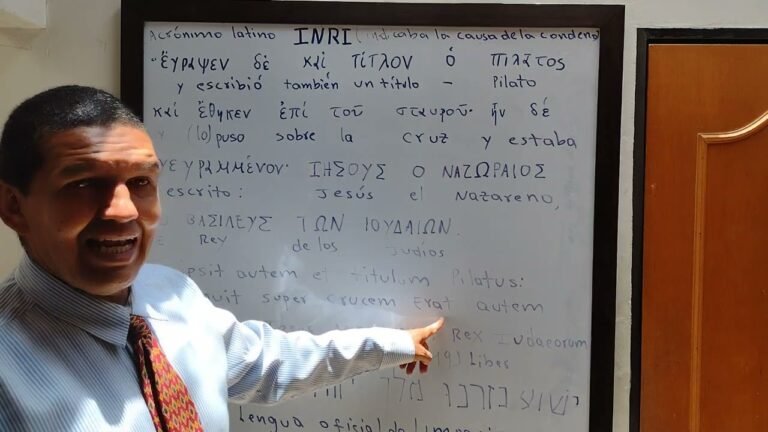
INRI, as seen on the Catholic cross, stands for Iesus Nazarenus Rex Iudaeorum, which translates to “Jesus of Nazareth, King of the Jews” in English. This Latin acronym was written by Pilate as an ironic and mocking inscription on Jesus’ cross. Its presence on the cross serves as a reminder of the suffering and sacrifice of Jesus, as well as a symbol of his kingship and the fulfillment of prophecy.
The significance of the letters INRI on the Catholic cross is deeply rooted in Christian tradition and symbolism. It represents the proclamation of Jesus as the King of the Jews, as well as a reminder of his crucifixion and ultimate sacrifice for humanity. This inscription serves as a powerful and poignant symbol for Christians, reminding them of the central beliefs and tenets of their faith.
Understanding the meaning of INRI on the Catholic cross provides insight into the historical and religious significance of Jesus’ crucifixion. It serves as a powerful reminder of Jesus’ kingship, his sacrifice for humanity, and the fulfillment of prophecy. This Latin acronym continues to hold deep meaning and significance for Christians around the world.
What does the sign on Jesus’ cross say?
The sign on Jesus’ cross read: “Jesus of Nazareth, the King of the Jews.” This inscription was written by Pilate and displayed in Hebrew, Latin, and Greek, allowing many Jews to read it as the crucifixion took place near the city. It served as a public declaration of the charge against Jesus and was meant to be a mockery of his claim to kingship.
Pilate’s inscription on the cross, declaring Jesus as the King of the Jews in three different languages, served as a powerful and ironic statement. While intended to belittle Jesus, it ultimately became a testimony to his true identity and reign. The multilingual sign not only communicated the accusation against Jesus to a wide audience, but also symbolized the universal significance of his kingship.
What does INRU mean?
INRI is the acronym for the Latin expression “Iesus Nazarenvs Ivdaeorum.” The translation of Iesus Nazarenvs Ivdaeorum is “Jesus of Nazareth, King of the Jews.” The acronym INRI is derived from the first letter of each word in the expression.
Decoding the Symbol: INRI on the Cross
Have you ever wondered about the meaning behind the letters “INRI” on the cross? These four letters hold a significant symbol in Christian iconography, representing the Latin inscription “Iesus Nazarenus, Rex Iudaeorum,” which translates to “Jesus of Nazareth, King of the Jews.” This inscription is a powerful reminder of Jesus’s crucifixion and the ultimate sacrifice he made for humanity.
The symbolism of “INRI” on the cross is deeply rooted in Christian tradition and has been depicted in countless artworks and religious artifacts. It serves as a poignant emblem of Jesus’s crucifixion and the central tenet of Christian faith – the redemption and salvation of humanity through his sacrifice on the cross. The letters “INRI” are a visual representation of the profound impact of Jesus’s life and teachings, encapsulating the core beliefs of Christianity.
As we ponder the significance of “INRI” on the cross, we are reminded of the enduring impact of Jesus’s life and the profound symbolism of his sacrifice. This powerful symbol serves as a timeless reminder of the central message of Christianity – love, sacrifice, and redemption. In decoding the symbol of “INRI,” we are called to reflect on the profound meaning of Jesus’s crucifixion and the enduring power of his message.
Unveiling the Mystery: INRI and Its Significance
Have you ever wondered about the significance of the acronym “INRI” often seen on crucifixes? The letters stand for the Latin phrase “Iesus Nazarenus Rex Iudaeorum,” which translates to “Jesus of Nazareth, King of the Jews.” This inscription holds deep symbolic meaning, representing the kingship of Jesus and the ultimate sacrifice he made for humanity. INRI serves as a powerful reminder of Christ’s divine authority and the profound message of redemption and salvation through his crucifixion.
INRI: Understanding the Inscription on the Cross
Have you ever wondered about the meaning behind the inscription “INRI” on the cross? This mysterious acronym has puzzled scholars and believers for centuries. The truth is, “INRI” stands for the Latin phrase “Iesus Nazarenus, Rex Iudaeorum,” which translates to “Jesus of Nazareth, King of the Jews.” This inscription holds deep significance in Christian theology, as it emphasizes Jesus’ identity as the Messiah and the fulfillment of ancient prophecies.
The inscription “INRI” serves as a powerful reminder of Jesus’ sacrificial love and his ultimate purpose on the cross. It is a symbol of redemption and hope for Christians around the world. Understanding the significance of this inscription can deepen one’s appreciation for the central message of Christianity and the profound impact of Jesus’ life and death. It is a testament to the enduring power of faith and the enduring significance of Jesus’ legacy.
In conclusion, the inscription “INRI” represents a pivotal moment in Christian history and theology. It serves as a poignant reminder of Jesus’ identity and his ultimate sacrifice for humanity. By understanding the meaning behind this ancient inscription, we can gain a deeper understanding of the Christian faith and the profound impact of Jesus’ life and teachings.
The Power of INRI: Exploring its Meaning on the Cross
The INRI inscription on the cross holds a powerful and symbolic meaning in Christian theology. It stands for “Iesus Nazarenus Rex Iudaeorum,” or “Jesus of Nazareth, King of the Jews,” and serves as a reminder of Christ’s ultimate sacrifice and his royal lineage. The INRI on the cross represents not only the physical suffering Jesus endured, but also his spiritual triumph over sin and death, making it a potent symbol of faith and redemption for believers. Exploring the depth of its meaning allows for a deeper understanding of the significance of the crucifixion and the enduring power of Christ’s message.
In conclusion, the acronym INRI on the cross of Christ holds significant meaning and serves as a powerful reminder of the crucifixion. It represents the inscription placed above Jesus’ head on the cross, declaring him as the King of the Jews. This small but powerful detail adds depth and significance to the story of Jesus’ sacrifice and serves as a symbol of faith and redemption for millions around the world.