
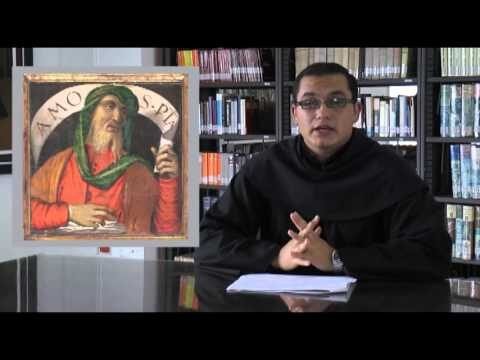
Biblical Definition of a Prophet: Who Is Considered a Prophet According to the Bible?
Who is a prophet according to the Bible? The concept of a prophet holds great significance in biblical teachings, representing an individual chosen by God to deliver his messages to the people. Throughout the Old and New Testaments, prophets played a crucial role in guiding and warning the faithful, often calling for repentance and righteousness. In this article, we will explore the characteristics and importance of a prophet according to the Bible, shedding light on their pivotal role in the faith of believers.
What does the Bible say a prophet is?
The Bible describes a prophet as a man who is inspired by God to receive and transmit His word to the people and their leaders. The message always pertains to social justice and faithfulness to God, as these two aspects are always intertwined. In essence, a biblical prophet serves as a conduit for God’s message, addressing matters that concern the well-being of the community and the relationship with the divine.
These prophets are tasked with delivering a message that is rooted in the principles of social justice and faithfulness to God. Their role is to challenge and guide the community and its leaders, urging them to uphold these values in their actions and decisions. This means that a biblical prophet’s message is not only about predicting the future, but also about advocating for righteousness and holding individuals and society accountable to God’s standards.
In summary, the Bible portrays a prophet as a vessel of divine inspiration, entrusted with the responsibility of delivering messages that advocate for social justice and faithfulness to God. Their role is to challenge and guide the community and its leaders, urging them to uphold these values in their actions and decisions.
Who is a prophet?
A prophet was someone who, called by God and filled with His Spirit, transmitted the word of the Lord to people who had in one way or another distanced themselves from God. Their role was to deliver divine messages and guidance to those in need of spiritual direction, serving as a conduit between God and His people.
What is the prophet of the Christians?
Jesus Christ is the prophet of the Christians, anointed by the Father with the Holy Spirit and established as a priest, prophet, and king.
Unveiling the Role of Prophets in Biblical Texts
In the Bible, prophets play a crucial role in conveying the messages of God to the people. Their words and actions are seen as directly inspired by the divine, and their guidance is often sought after in times of uncertainty. Through their prophecies and teachings, prophets provide insight into the will of God and offer guidance for living a righteous and just life.
The role of prophets in biblical texts is multifaceted, as they are not only messengers of God, but also serve as moral compasses for the people. Their words often challenge societal norms and call for repentance and righteousness. Prophets such as Elijah, Isaiah, and Jeremiah are revered for their courage in speaking truth to power and their unwavering commitment to upholding God’s commandments.
Furthermore, the actions and teachings of prophets in the Bible serve as a reminder of the importance of faith and obedience to God. Their stories inspire believers to seek a deeper understanding of their own faith and to remain steadfast in the face of adversity. The role of prophets in biblical texts is not only to convey divine messages, but also to encourage spiritual growth and a closer relationship with God.
Understanding the Criteria for Recognizing a Prophet in the Bible
Recognizing a prophet in the Bible involves understanding the specific criteria set out in scripture. One key aspect is the prophet’s ability to accurately foretell future events, as seen in Deuteronomy 18:22. Additionally, a true prophet will always speak in line with God’s word, never contradicting or adding to it (Jeremiah 23:16). This consistency with God’s message is a crucial factor in discerning a prophet’s authenticity.
Another important criterion for recognizing a prophet in the Bible is their adherence to moral and ethical standards. In Matthew 7:15-20, Jesus teaches that false prophets can be recognized by their “fruits,” or the way they live their lives. A true prophet will exhibit the fruits of the Spirit, such as love, joy, peace, and patience, as outlined in Galatians 5:22-23. This emphasis on character and integrity serves as a guide for identifying genuine prophets in the Bible.
In conclusion, understanding the criteria for recognizing a prophet in the Bible requires careful study and discernment. By examining the prophet’s ability to accurately foretell future events, their alignment with God’s word, and their moral character, we can develop a clear understanding of what distinguishes true prophets from false ones. This knowledge equips us to make wise judgments and remain faithful to God’s teachings.
In conclusion, according to the Bible, a prophet is someone chosen by God to deliver His messages to His people. They serve as a voice for God, often sharing warnings, guidance, and bringing attention to the need for repentance and obedience. Throughout the Bible, we see the important role prophets play in shaping the course of history and leading people back to God. As we continue to study the scriptures, may we gain a deeper understanding of the significance of the prophetic tradition and the impact it has on our faith and relationship with God.