Understanding the Unequally Yoked Concept in the Bible
In the realm of relationships and spiritual compatibility, the concept of being unevenly yoked has significant implications rooted in biblical teachings. This phrase, derived from 2 Corinthians 6:14, warns against forming partnerships with those who do not share similar beliefs or values. As individuals navigate the complexities of love and companionship, understanding the principles behind being unevenly yoked can offer profound insights into fostering harmonious and fulfilling connections. Join us as we explore the biblical foundation of this concept and its relevance in today’s society.
What does unevenly yoked mean in the Bible?
Unevenly yoked in the Bible refers to a partnership where one person is spiritually or morally incompatible with another, often highlighting the importance of shared beliefs.
What is the meaning of being unequally yoked in the Bible?
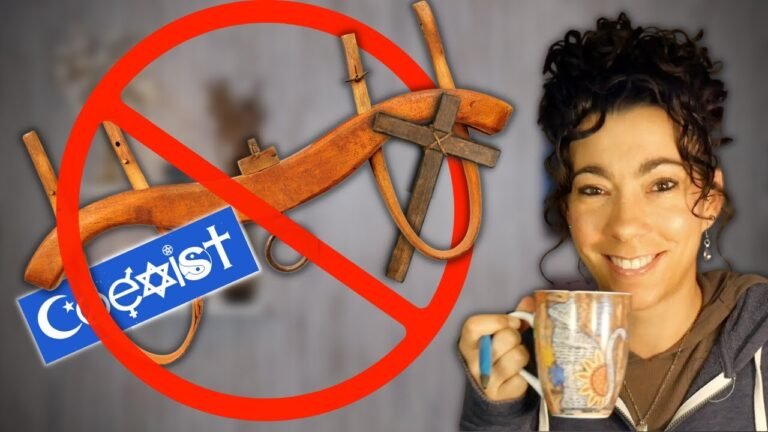
The concept of being unequally yoked originates from the imagery of two oxen harnessed together to perform work. If one ox is significantly stronger than the other, the partnership becomes inefficient, leading to discord and unbalanced efforts. This metaphor extends to relationships, particularly for Christians, emphasizing that forming partnerships with unbelievers can hinder spiritual growth and the fulfillment of God’s purpose. Just as mismatched oxen struggle to pull in harmony, so too can unequal spiritual commitments lead to challenges in living out a cohesive and faithful Christian life.
What is the Bible’s perspective on unequal yoking in relationships?
The Bible addresses the concept of being unequally yoked in relationships, particularly emphasizing the importance of maintaining a harmonious bond even amidst differing beliefs. In 1 Corinthians 7:14, it reassures believers that a marriage can still be blessed, stating that the presence of a faithful spouse can sanctify the unbelieving partner. This perspective encourages couples to nurture their relationship and shows that love and commitment can bridge spiritual divides, fostering a supportive environment for both partners to grow.
What is the meaning of being unequally yoked in marriage?
Being unequally yoked in marriage refers to a fundamental lack of unity between partners, particularly when one partner does not share the same beliefs or values as the other. This disparity can create significant challenges, as it often leads to differing priorities and life goals. The concept draws from the agricultural metaphor of yoking two animals together, where harmony and cooperation are essential for effective work.
In the context of marriage, when one partner is an unbeliever, it can result in emotional and spiritual discord. This disconnection can manifest in daily decisions, parenting styles, and even how the couple navigates life’s challenges together. The lack of a shared foundation can make it difficult to cultivate a deep and meaningful relationship, leading to feelings of isolation or frustration.
Ultimately, being unequally yoked can hinder the growth of a marriage, making it essential for couples to align their core beliefs and values. A partnership built on mutual understanding and shared spiritual commitments fosters stronger connections and resilience, allowing both individuals to thrive together as they journey through life side by side.
Bridging Faith and Relationships: A Biblical Perspective
In a world where relationships often face challenges, the teachings found within the Bible provide timeless wisdom that can help bridge the gap between faith and personal connections. Emphasizing love, forgiveness, and understanding, Biblical principles encourage individuals to view their relationships as sacred commitments. By nurturing these bonds through prayer and shared values, couples can cultivate a deeper sense of unity and purpose, ensuring that their partnerships reflect the love and grace exemplified by their faith.
Moreover, the Bible offers practical guidance on navigating conflicts and fostering empathy in relationships. By embracing humility and seeking reconciliation, individuals can transform misunderstandings into opportunities for growth. This approach not only strengthens the foundation of their relationships but also enhances their spiritual journeys. Ultimately, integrating faith into daily interactions empowers individuals to create lasting connections rooted in mutual respect and devotion, making their relationships a testament to their beliefs.
The Spiritual Implications of Unequal Partnerships
Unequal partnerships often create a dynamic that goes beyond mere logistical or financial disparities; they can significantly impact the spiritual well-being of those involved. When one partner consistently holds more power or influence, it can lead to an imbalance that fosters resentment, insecurity, and a diminished sense of self-worth. This imbalance not only affects personal growth but can also hinder the couple’s ability to cultivate a shared spiritual journey, leaving one or both partners feeling disconnected from their own beliefs and values.
In navigating these relationships, it’s essential to recognize the spiritual implications that arise from unequal dynamics. A partnership rooted in imbalance may stifle the individual’s ability to express their authentic self, creating barriers to personal and collective spiritual exploration. The lack of mutual respect and equity can lead to a sense of isolation, making it challenging for both partners to engage in meaningful practices such as prayer, meditation, or communal rituals that deepen their connection to each other and their spirituality.
To foster a more harmonious spiritual partnership, both individuals must actively work towards equity and mutual respect. Open communication is vital, allowing each partner to voice their needs, desires, and concerns without fear of judgment. By cultivating an environment where both partners feel valued and empowered, they can embark on a shared spiritual journey that honors their individuality while strengthening their bond, ultimately transforming the relationship into a source of inspiration and growth for both.
Finding Harmony in Disparate Beliefs
In a world increasingly defined by polarization, the quest for harmony among disparate beliefs has never been more essential. Engaging in open dialogue fosters understanding and empathy, allowing individuals to explore the rich tapestry of perspectives that shape our societies. By actively listening and seeking common ground, we can transform conflict into collaboration, turning divergent views into a source of strength rather than division.
Embracing diversity not only enriches our personal experiences but also cultivates a collective resilience. When we acknowledge the validity of different beliefs, we pave the way for innovative solutions to complex challenges. This approach encourages communities to unite, demonstrating that our shared humanity transcends ideological differences. In doing so, we create a more inclusive and harmonious world, where varied voices contribute to a brighter future for all.
Understanding the concept of being unevenly yoked in the Bible invites deeper reflection on the values and beliefs that shape our relationships. Embracing this wisdom encourages individuals to seek partnerships that foster spiritual growth and harmony, ultimately leading to more fulfilling connections. By aligning ourselves with those who share similar convictions, we create a foundation built on mutual respect and understanding, paving the way for a more enriching and purposeful journey together.