Understanding Unequally Yoked Relationships
In relationships, the phrase unequally yoked often surfaces, drawing from a biblical metaphor that highlights the challenges of partnering with someone who holds differing beliefs or values. But what does it mean to be unequally yoked in today’s context? This concept transcends romantic partnerships, influencing friendships, business collaborations, and family dynamics. Understanding its implications can help individuals navigate their connections more thoughtfully, fostering healthier, more harmonious relationships while avoiding potential conflicts that arise from fundamental differences.
What is the meaning of unequally yoked in the Bible?
The phrase “unequally yoked” cautions against forming partnerships with those whose values and commitments diverge significantly from one’s own faith in Jesus. It highlights the potential dangers of entering into intimate relationships or collaborative endeavors with individuals who do not prioritize spiritual alignment, suggesting that such mismatches can lead to spiritual decline and discord. By urging believers to seek companionship and collaboration among those who genuinely share their devotion, it underscores the importance of unity in purpose and faith for a fulfilling and resilient life.
What does it mean to be in an unequally yoked relationship?
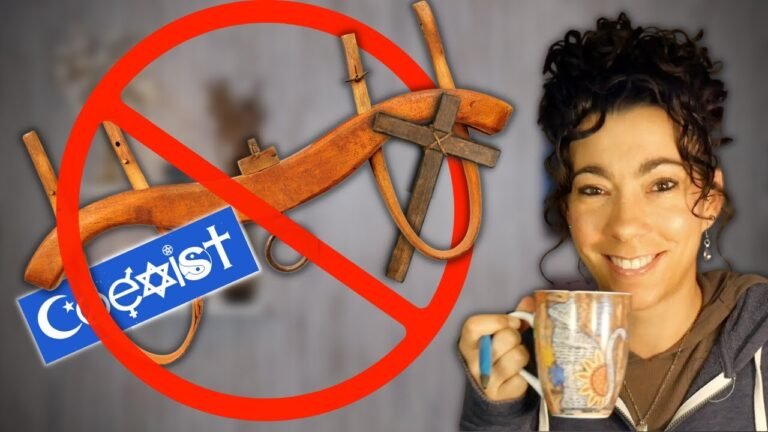
An unequally yoked relationship refers to a partnership where one individual is significantly stronger or more committed than the other, particularly in the context of faith. This concept stems from the analogy of two oxen pulling a plow; if one is weaker, the work becomes inefficient, leading to frustration and unproductive results.
In a spiritual context, this means that a Christian should not form close partnerships with non-believers, as differing beliefs and values can hinder their ability to live according to their faith. Such disparities can create challenges in shared goals and ultimately affect the harmony and progress of the relationship, making it difficult to fulfill a unified purpose.
What is the Bible’s perspective on being unequally yoked in a relationship?
The concept of being unequally yoked, as highlighted in 2 Corinthians 6:14, emphasizes the importance of shared beliefs and values in relationships. When individuals enter partnerships with differing faiths or foundational principles, it can lead to significant challenges and misunderstandings. This biblical guidance serves as a reminder to seek harmonious connections that nurture growth and unity, rather than divisions that may arise from conflicting worldviews.
In pursuing meaningful relationships, it’s essential to consider the spiritual alignment between partners. A relationship built on a common faith often fosters deeper understanding, mutual support, and a shared vision for the future. By heeding the wisdom found in scripture, individuals can cultivate connections that not only enrich their lives but also align with their spiritual journey, ultimately leading to more fulfilling and resilient partnerships.
Bridging the Gap: Navigating Differences in Beliefs
In a world increasingly defined by diversity, bridging the gap between differing beliefs is essential for fostering understanding and collaboration. By engaging in open dialogue and actively listening to one another, we can transform potential conflicts into opportunities for growth. Emphasizing common values and shared goals creates a foundation for empathy, allowing individuals to explore contrasting viewpoints without judgment. This approach not only enriches personal relationships but also cultivates a more inclusive society, where differences are celebrated rather than feared. Ultimately, navigating these differences empowers us to build stronger communities grounded in respect and cooperation.
Finding Harmony: The Dynamics of Unequally Yoked Partnerships
In the intricate dance of relationships, unequally yoked partnerships often present unique challenges that require understanding and compromise. These unions, where one partner’s beliefs or values significantly differ from the other’s, can lead to tension but also foster profound growth. By embracing open communication and mutual respect, couples can navigate their differences, transforming potential conflicts into opportunities for deeper connection. Ultimately, the journey towards harmony in such partnerships is not about erasing differences but celebrating them, allowing love to flourish amid diversity.
Love Beyond Boundaries: Embracing Diverse Perspectives
In a world rich with diverse cultures and experiences, love flourishes beyond the confines of borders and traditions. Embracing varied perspectives opens our hearts and minds, allowing us to connect deeply with others in ways that transcend language and geography. These unique encounters not only enrich our lives but also challenge our assumptions, fostering empathy and understanding. By celebrating the beauty of our differences, we create a vibrant tapestry of relationships that reflect the true essence of humanity, reminding us that love knows no boundaries and thrives in the embrace of diversity.
Strength in Differences: Thriving Together Despite Disparities
In a world rich with diversity, our differences serve as a powerful foundation for collective strength. When we embrace varying perspectives, experiences, and talents, we create a tapestry of ideas that fosters innovation and resilience. By recognizing and valuing what sets us apart, we transform potential disparities into opportunities for collaboration and growth. Together, we can build inclusive spaces where every voice is heard, leading to solutions that benefit all. Thriving together despite our differences not only enriches our communities but also ignites a shared sense of purpose, proving that unity in diversity is not just a concept, but a vibrant reality.
Being unequally yoked encompasses more than just differing beliefs; it signifies the challenges that arise when two individuals or entities, with divergent values and life goals, attempt to navigate life together. This imbalance can lead to tension and conflict, hindering personal growth and fulfillment. Understanding the implications of being unequally yoked encourages thoughtful reflection on relationships, guiding individuals to seek partnerships that promote harmony and shared purpose, ultimately fostering a more enriching journey through life.