Understanding Casting Lots in the Bible
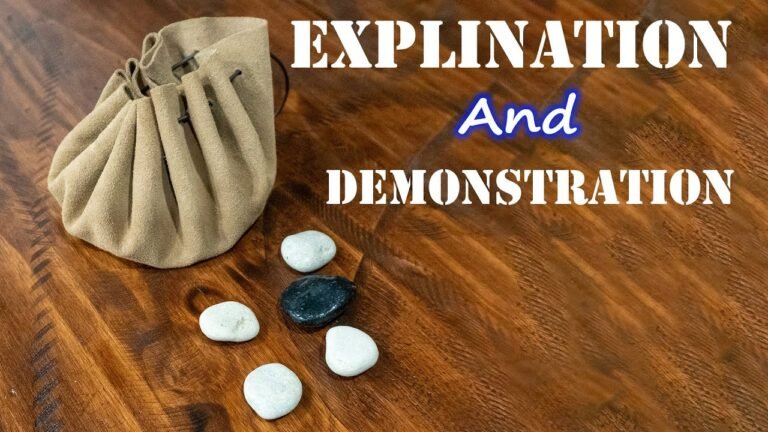
Casting lots is a fascinating practice mentioned in the Bible, often associated with divine decision-making and the seeking of God’s will. This ancient method, which involved throwing marked stones or using other randomizing tools, was employed by figures such as the Israelites and the apostles to determine important outcomes, from selecting leaders to dividing land. Understanding casting lots in the biblical context reveals not only the cultural significance of this practice but also its spiritual implications, highlighting a reliance on faith and divine guidance in critical moments. In this article, we will explore the origins, methods, and meanings behind casting lots in the Bible, shedding light on its enduring relevance in religious traditions today.
What is the significance of casting lots?
Casting lots is an ancient practice that involves making a decision or selection through random means. This method has been used across various cultures and traditions, often to resolve disputes or to determine fates in a manner perceived as fair and impartial. The randomness of the process adds an element of chance, making it a compelling way to address uncertainty.
In many contexts, casting lots is associated with cleromancy, a form of divination where outcomes are thought to be influenced by divine forces. Participants may believe that the results of the lot-casting reveal the will of a deity or higher power, adding a spiritual dimension to the decision-making process. This intertwining of chance and faith has historically made casting lots a powerful tool in both personal and communal decision-making.
Despite its ancient roots, the practice of casting lots continues to resonate today, particularly in situations where impartiality is essential. Whether in religious rituals, games, or even modern decision-making scenarios, the act of drawing lots serves as a reminder of the unpredictability of life and the belief that, sometimes, fate plays a hand in guiding our choices.
Is casting lots equivalent to gambling?
Casting lots and gambling may share a common element of randomness, but their purposes diverge significantly. In ancient times, casting lots was a solemn practice aimed at seeking divine guidance or making important decisions. This method was often employed in contexts where individuals believed that a higher power could influence the outcome, providing clarity and direction in uncertain situations.
In contrast, modern-day gambling centers around the thrill of chance and the desire for monetary gain. Participants engage in various games and bets with the primary goal of winning money, often driven by excitement and personal risk. Unlike casting lots, which reflects a quest for wisdom or intervention, gambling is fundamentally rooted in entertainment and profit.
Ultimately, while both activities involve uncertainty, the intent behind casting lots is spiritual and communal, whereas gambling is typically individualistic and materialistic. Understanding this distinction highlights the deeper cultural and historical significance of casting lots, setting it apart from the recreational nature of gambling today.
Can you provide an example of casting lots from the New Testament?
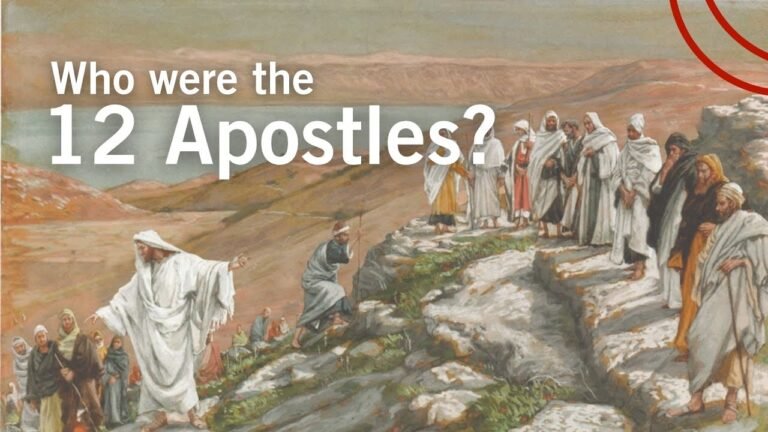
In the New Testament, one notable example of casting lots occurs in the book of Acts, where the remaining apostles sought to replace Judas Iscariot after his betrayal. They gathered together and engaged in this ancient practice to discern God’s will for selecting a new apostle. This method was seen as a way to seek divine guidance and ensure that the decision was not merely based on human judgment.
The outcome of this process was the selection of Matthias, who was then counted among the eleven apostles. This event highlights the significance of communal decision-making in the early Church and underscores the belief that divine intervention can guide important choices, a principle that resonates throughout the New Testament.
Unraveling the Ancient Practice of Divination
Divination, an age-old practice steeped in mystery and tradition, has captivated humanity for centuries. Cultures around the world have employed various methods to seek insight into the unknown, often turning to nature, celestial bodies, or spiritual guides. From the intricate art of tarot reading to the ancient technique of scrying, these practices not only serve as tools for prediction but also as pathways to self-discovery and personal reflection.
At the heart of divination lies the belief that the universe holds hidden knowledge waiting to be uncovered. Practitioners often interpret signs and symbols, believing that they can provide guidance on life’s pivotal moments. Whether through the casting of runes, the interpretation of dreams, or the reading of omens, divination encourages individuals to connect with their intuition and the world around them, fostering a deeper understanding of their circumstances and choices.
In today’s fast-paced, technology-driven society, the allure of divination persists as people seek meaning and clarity amidst uncertainty. As modern interpretations emerge, blending ancient wisdom with contemporary insights, divination remains a powerful tool for those navigating the complexities of life. This enduring practice invites us to pause, reflect, and embrace the mysteries that lie ahead, reminding us that the search for knowledge and understanding is a timeless journey.
The Spiritual Significance of Lot Casting
Lot casting, an ancient practice found in various cultures, serves as a powerful tool for decision-making and spiritual guidance. By relying on chance, individuals seek clarity and divine insight, believing that the outcome reflects a higher will or purpose. This method transcends mere randomness; it embodies a profound connection to the spiritual realm, where participants offer their intentions to the universe, creating a sacred space for introspection and revelation.
At its core, lot casting encourages mindfulness and trust in the journey of life. It invites individuals to relinquish control, embracing uncertainty while remaining open to the messages hidden within the results. This act of surrender fosters a deeper understanding of one’s path, as choices are illuminated by a sense of divine orchestration. Ultimately, lot casting is not merely a ritual but a transformative experience that bridges the material and spiritual worlds, guiding seekers toward their true calling.
From Chance to Choice: Biblical Insights
In the journey of life, we often navigate the delicate balance between chance and choice. The Bible offers profound insights into the power of our decisions, illuminating the ways in which we can shape our destinies. Through stories of faith and perseverance, we learn that while circumstances may arise unexpectedly, our responses define our paths. Each choice we make can lead us closer to our purpose or divert us from it, emphasizing the importance of intentionality in our actions.
The Book of Proverbs serves as a guiding light in understanding this dynamic. With its timeless wisdom, it encourages us to seek knowledge and discernment, reminding us that our choices should be rooted in a deeper understanding of God’s will. By aligning our decisions with biblical principles, we not only honor our faith but also cultivate a life filled with meaning and direction. Each proverb acts as a gentle nudge, urging us to consider the long-term impact of our choices, rather than succumbing to fleeting impulses.
Ultimately, the transition from chance to choice empowers us to take responsibility for our lives. Embracing this concept helps us recognize that we are not mere victims of circumstance but active participants in our journey. By leaning into our faith and making choices that reflect our values, we can transform uncertainty into opportunity. In this way, we move forward with confidence, knowing that our decisions, guided by biblical insights, can lead to a fulfilling and purposeful life.
Exploring Fate and Faith through Scripture
In the intricate tapestry of life, the interplay between fate and faith emerges as a profound theme in many scriptures. These texts invite readers to ponder the extent to which our destinies are preordained versus shaped by our choices. Through stories of resilience and divine intervention, believers are encouraged to see their lives as part of a larger narrative, one that intertwines personal struggles with universal truths. This exploration fosters a deeper understanding of how faith can illuminate the path through uncertainty, allowing individuals to embrace their journeys with hope and purpose.
As we delve deeper into these spiritual teachings, we find that faith acts as both a compass and a source of strength amid life’s unpredictability. Scriptures often depict characters who confront daunting challenges, yet their unwavering trust in a higher power transforms their circumstances. This narrative encourages us to reflect on our own trials, prompting questions about the nature of our beliefs and the role they play in guiding us through adversity. In embracing faith, we not only find solace but also the courage to navigate the complexities of fate.
Ultimately, the exploration of fate and faith through scripture serves as a reminder of the interconnectedness of human experience. It challenges us to recognize that while some aspects of our lives may be beyond our control, our responses to these circumstances are where our true power lies. By cultivating faith, we can approach our destinies with a sense of agency, transforming uncertainty into opportunity. Through this lens, life becomes a journey of growth and discovery, where each moment is infused with meaning and possibility.
Casting lots in the Bible serves as a fascinating glimpse into ancient decision-making practices, reflecting a reliance on divine guidance in a world filled with uncertainty. This method, rooted in faith and tradition, highlights the interplay between human agency and spiritual intervention, reminding us of the importance of seeking wisdom beyond our own understanding. As we explore its significance, we uncover timeless lessons about trust, community, and the pursuit of righteousness, inviting deeper contemplation on how we navigate our choices today.