Understanding Frankincense in the Bible
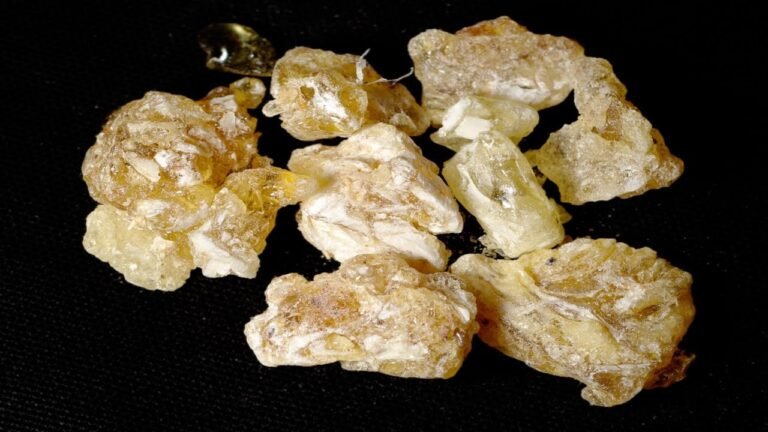
Frankincense, a fragrant resin derived from the Boswellia tree, holds a significant place in biblical texts, symbolizing purity, divinity, and sacrifice. Frequently mentioned alongside myrrh and gold in the story of the Magi, this aromatic substance was not only valued for its aromatic properties but also for its ceremonial uses in ancient worship practices. Understanding what frankincense is in the Bible offers insight into its cultural and spiritual importance, revealing how this ancient gift continues to inspire and intrigue people today.
What is the symbolism of frankincense in the Bible?
Frankincense, derived from the resin of a sweet tree, holds profound symbolic significance in the Bible, representing the sacredness of the priesthood and the divine role of sacrifice. Used in priestly ordinances and burnt offerings as detailed in Leviticus 2:1, it signifies the reverence and devotion owed to God. Moreover, its connection to anointing oil for priests highlights its role in consecration and holiness, while echoing the message of John 1:29, where it symbolizes Jesus as the Lamb of God, destined to offer Himself for humanity’s redemption. In this light, frankincense embodies both worship and the profound grace of sacrificial love.
What is the spiritual significance of frankincense?
Frankincense has held spiritual significance for millennia, often associated with holiness and the divine. Its aromatic qualities have made it a favored incense in religious ceremonies, where it serves as a medium to elevate prayers and connect with the sacred. The ancient practice of burning frankincense during rituals underscores its role as a symbol of purity and righteousness, enriching the spiritual atmosphere.
In Christian tradition, frankincense takes on a profound meaning, representing the sacrifice of Christ and the reverence surrounding His life. Its use in worship not only enhances the sensory experience but also deepens the connection to spiritual themes of sacrifice and devotion. Thus, frankincense continues to resonate with those seeking to explore and express their spirituality in meaningful ways.
What are the uses of frankincense?
Frankincense, derived from the Boswellia serrata tree, is a treasured oleo-gum resin known for its diverse medicinal properties. Historically valued for its therapeutic benefits, it has been employed to address a range of health issues, including ulcers, dysentery, asthma, and diabetes. Additionally, its anti-inflammatory qualities make it effective in managing chronic conditions such as osteoarthritis and inflammatory bowel diseases. This ancient remedy continues to be celebrated for its holistic healing potential, linking the past with modern wellness practices.
The Spiritual Significance of Frankincense in Scripture
Frankincense holds a profound place in the spiritual tapestry of scripture, symbolizing purity, holiness, and divine connection. Often mentioned alongside myrrh and gold, it was one of the gifts presented to the newborn Jesus, signifying His royal status and the divine nature of His mission. This sacred resin, derived from the Boswellia tree, was not only used in ancient rituals and offerings but also represented the prayers of the faithful rising to God, illustrating the deep relationship between humanity and the divine.
Throughout biblical texts, frankincense serves as a reminder of the importance of worship and reverence. In the Old Testament, it was a key ingredient in the incense used in the Tabernacle, emphasizing the need for a pure heart in approaching God. Its fragrant smoke was believed to create an atmosphere conducive to divine presence, inviting believers to experience spiritual transformation. Thus, frankincense stands as a timeless symbol of devotion, bridging the earthly and the sacred, and inviting all to partake in the journey of faith.
Exploring the Ancient Uses of Frankincense
Frankincense, often referred to as the “king of resins,” has a rich history that dates back thousands of years, primarily in the ancient civilizations of Egypt, Mesopotamia, and the Arabian Peninsula. This aromatic resin, derived from the Boswellia tree, was highly prized not only for its distinct fragrance but also for its medicinal and spiritual properties. In ancient Egypt, frankincense was used in religious rituals, believed to connect the earthly realm with the divine. It was also a key ingredient in embalming practices, symbolizing purification and protection in the afterlife.
Beyond its sacred uses, frankincense played a significant role in trade, forming a vital part of the incense routes that connected the East and West. Ancient merchants transported it across vast deserts, where its value rivaled that of gold. The resin’s versatility extended to traditional medicine, where it was employed to alleviate various ailments, from respiratory issues to inflammation. Today, the legacy of frankincense endures, as it continues to be celebrated for its therapeutic benefits and captivating scent, bridging the gap between ancient customs and modern wellness practices.
Frankincense: A Symbol of Worship and Healing
Frankincense, often revered for its aromatic qualities, has long been a symbol of worship across various cultures. This ancient resin, derived from the Boswellia tree, has been used in religious ceremonies for centuries, offering a fragrant connection to the divine. Its rich, warm scent enhances meditation and prayer, creating a sacred atmosphere that fosters spiritual reflection and tranquility. The historical significance of frankincense, particularly in Christianity and other faiths, underscores its enduring role in rituals and celebrations, linking generations through shared practices of reverence and devotion.
Beyond its spiritual applications, frankincense is also celebrated for its healing properties. Traditionally utilized in herbal medicine, it is believed to possess anti-inflammatory and antiseptic qualities that promote physical well-being. Modern studies suggest that the compounds in frankincense may support immune function and alleviate symptoms of stress and anxiety. This dual significance as both a sacred offering and a natural remedy highlights frankincense’s unique ability to bridge the gap between the spiritual and the physical, making it a timeless treasure in both the realms of worship and healing.
Frankincense holds a significant place in biblical texts, symbolizing holiness, purification, and divine presence. Its aromatic resin not only served as a valuable gift fit for kings but also played a crítico role in ancient rituals and worship. By exploring its profound meanings and historical context, we gain a deeper appreciation for this sacred substance and its enduring legacy in spiritual practices today.