Locating Calvary: A Geographic Exploration
Calvary, a term rich in historical and spiritual significance, often raises the question: where is Calvary located? Traditionally identified as the site of Jesus Christ’s crucifixion, Calvary, or Golgotha, is believed to be situated just outside the walls of Jerusalem. This pivotal location draws countless pilgrims and visitors each year, eager to connect with a moment that shaped the course of history. Understanding its geographical and cultural context deepens our appreciation of its enduring legacy.
Where is the location of Calvary, where Jesus was crucified?
Golgotha, often referred to as Calvary, is the significant hill located just outside the walls of ancient Jerusalem, where the crucifixion of Jesus took place. This location holds profound historical and spiritual importance, as it is mentioned across all four canonical Gospels, solidifying its relevance in Christian tradition. The name Golgotha translates to “Place of the Skull” in Greek, a term that evokes the solemnity of the events that unfolded there.
The hill’s proximity to the city made it a public site for executions, underscoring the brutal reality of Roman justice during that era. Today, Golgotha serves as a poignant reminder of sacrifice and redemption, attracting pilgrims and tourists alike who seek to connect with the sacred history of Christianity. Its recognition in scripture has turned it into a symbol of hope and salvation for millions around the world.
Visitors to the site can explore not only the historical context of the crucifixion but also the enduring legacy of Jesus’ message. As a focal point of faith, Golgotha invites reflection on themes of love, forgiveness, and the promise of eternal life. The hill stands as a testament to the enduring impact of one man’s sacrifice, resonating deeply within the hearts of believers for centuries.
Where can Calvary be found today?
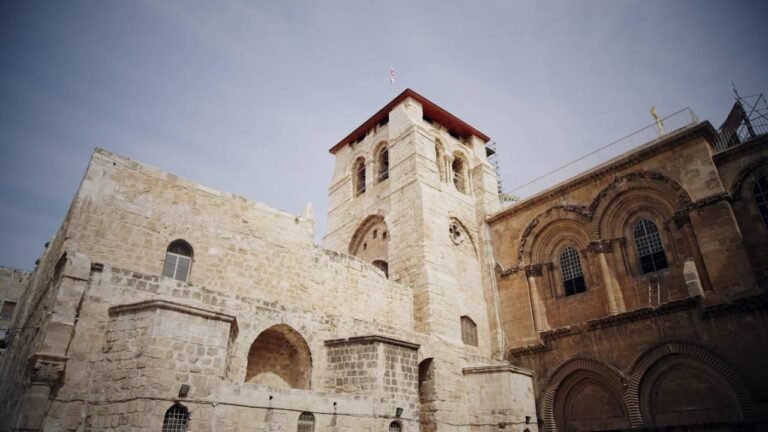
Calvary, known as the site of Jesus’ crucifixion, is traditionally believed to be located within the southern chapels of the Church of the Holy Sepulchre in Jerusalem. This revered location was identified by the Roman empress Helena during her pilgrimage to the Holy Land in 325 AD, solidifying its significance in Christian history. Today, it remains a focal point of pilgrimage and worship, attracting visitors from diverse backgrounds who seek to connect with this profound moment in religious narrative.
Is Calvary located within Jerusalem?
Calvary, also known as Golgotha, is traditionally recognized as the site of Jesus’ crucifixion, and it holds a significant place in Christian history. Located just outside the city’s ancient walls, this revered location aligns with biblical descriptions that have guided pilgrims and scholars alike in their search for authenticity. Its historical and spiritual importance makes it a focal point for visitors seeking to connect with the roots of their faith.
One of the most notable sites associated with Calvary is Gordon’s Calvary, which offers a striking resemblance to the biblical accounts of the crucifixion. Nestled within the Old City of Jerusalem, this area is complemented by the nearby Garden Tomb, believed by many to be the site of Jesus’ burial and resurrection. Together, these locations provide a poignant reflection of the events that defined Christianity, drawing countless tourists and worshippers each year.
Visiting Gordon’s Calvary and the Garden Tomb is not just a journey through history; it is an opportunity for spiritual engagement and contemplation. The serene surroundings invite visitors to reflect on the profound significance of the events that transpired here. As part of Jerusalem’s rich tapestry of faith and heritage, these sites offer a unique glimpse into the heart of Christian belief, making them essential destinations for anyone exploring the sacred landscape of the city.
Mapping the Path to Redemption
In the journey of life, the quest for redemption often serves as a powerful motivator, guiding individuals through their darkest moments. Each misstep can become a stepping stone, and the path to recovery is rarely linear. It requires introspection, resilience, and a commitment to change. Embracing vulnerability allows individuals to confront their past, recognize their mistakes, and forge a new identity rooted in growth and understanding. This transformative process not only heals old wounds but also opens the door to newfound purpose and connection.
As one navigates this intricate terrain, the support of community and the strength of personal resolve become essential. Sharing stories of struggle and triumph can illuminate the way for others, creating a collective tapestry of hope. With each small victory, the journey toward redemption gains momentum, inspiring not only the individual but also those around them. Ultimately, mapping this path is not just about finding forgiveness; it is about embracing the beautiful complexity of the human experience and emerging stronger on the other side.
Unearthing the Historical Crossroads
At the intersection of time and culture, countless narratives converge, revealing the rich tapestry of human history. From the ancient trade routes that linked distant civilizations to the vibrant exchanges of ideas and innovations, these crossroads have shaped societies in profound ways. Each encounter, whether through commerce, conflict, or collaboration, has left an indelible mark on the world, illustrating the dynamic interplay of diverse traditions and beliefs. As we delve into these historical junctures, we uncover not just the events themselves, but the enduring spirit of resilience and adaptation that defines humanity’s journey through the ages.
Charting the Journey of Faith
Faith is a personal voyage, marked by moments of clarity and doubt that shape our beliefs and values. Each step along this journey invites us to explore deeper connections with ourselves and the world around us. As we navigate the highs and lows, we often find unexpected sources of inspiration—whether through relationships, experiences, or introspection. These encounters not only enrich our understanding but also illuminate the path ahead, guiding us toward a more profound sense of purpose and belonging.
In the quest for spiritual growth, community plays a pivotal role. Engaging with others who share similar beliefs fosters a sense of unity and support, providing a safe space for sharing stories and insights. Together, we celebrate milestones and confront challenges, reinforcing the idea that faith is not just an individual pursuit but a collective journey. By embracing these shared experiences, we cultivate resilience and hope, empowering one another to forge ahead with renewed strength and conviction.
Discovering the Sacred Landscape
As the sun rises over the horizon, the sacred landscape unfolds in a breathtaking tapestry of nature’s wonders. Majestic mountains stand sentinel, their peaks dusted with snow, while lush valleys cradle shimmering rivers that weave through the earth like silver threads. Each element of this serene environment tells a story, whispering secrets of ancient cultures that revered the land as a living entity. From the vibrant wildflowers that bloom in a riot of colors to the towering trees that have witnessed centuries of change, every detail invites exploration and reflection. In this timeless setting, one can truly appreciate the profound connection between humanity and the natural world, igniting a sense of reverence for the beauty that surrounds us.
Calvary’s location remains a topic of fascination, drawing pilgrims and history enthusiasts alike to its storied grounds. Whether one seeks the traditional site in Jerusalem, believed to be the place of Christ’s crucifixion, or explores the varied interpretations across cultures, the significance of Calvary transcends mere geography. It serves as a powerful symbol of faith, sacrifice, and redemption, inspiring countless individuals to embark on a journey of spiritual discovery.