The Location and Significance of Judea
Judea, a historically rich region located in the southern part of ancient Israel, serves as a pivotal backdrop in the narrative of biblical history. Often associated with the life and times of Jesus Christ, Judea was a melting pot of cultures, religions, and politics during its existence. Understanding where Judea was situated not only illuminates the geographical context of ancient events but also deepens our appreciation for the profound impact this region has had on the world’s spiritual and historical landscape.
What is the modern name for Judea?
Judea, an ancient region with deep historical roots, is still referenced in contemporary discussions about the geography of Israel. This area, known for its rich cultural and religious significance, retains the name Judaea to evoke its storied past while aligning it with the modern landscape.
Today, Judaea encompasses a region that includes parts of the West Bank and areas surrounding Jerusalem, serving as a reminder of its biblical heritage. The term evokes a sense of continuity, bridging ancient history with current realities. This connection enhances the cultural identity of the area, making it significant for both locals and visitors alike.
In essence, the name Judaea symbolizes a blend of history and modernity, highlighting the ongoing relevance of this region. As Israel continues to evolve, the use of the name Judaea helps preserve the memories of its past while fostering discussions about its future, ensuring that the region’s legacy endures in contemporary consciousness.
Is Judea located in Israel or Palestine?
Judea, often referred to in conjunction with Samaria, is a region that holds significant historical and cultural importance. Although internationally recognized as part of the Palestinian territories, its status remains complex and contentious. This dual identity reflects the region’s deep-rooted connections to both Jewish and Palestinian histories, making it a focal point in ongoing discussions about sovereignty and national identity.
In Israel, some authorities categorize Judea and Samaria alongside the districts of Israel proper, primarily for statistical reasons. This classification indicates a perception that transcends political boundaries, as many Israelis view the area as integral to their national heritage. As a result, Judea is often seen not only as a geographical location but also as a symbol of historical continuity for the Jewish people.
The ongoing debate surrounding Judea underscores the intricate relationship between history, identity, and politics in the region. While its physical location is within the larger context of the West Bank, the narrative surrounding Judea and Samaria is shaped by both Israeli and Palestinian perspectives. This complexity contributes to the broader discourse on peace, coexistence, and the quest for a sustainable resolution to the Israeli-Palestinian conflict.
What distinguishes Israel from Judah?
After the reigns of David and Solomon, the unified kingdom of Israel was divided into two distinct entities: the Kingdom of Israel in the north and the Kingdom of Judah in the south. This division marked a significant shift in the political and cultural landscape of the region, with Israel encompassing a larger territory and a diverse population, while Judah, though smaller, retained a rich heritage and strong ties to the Davidic line.
Today, the historical regions of Israel and Judah correspond to parts of modern-day Israel and the Palestinian territories. The Kingdom of Israel, known for its larger cities and economic power, eventually fell to Assyrian conquest, while Judah continued to exist for several more centuries, navigating various challenges until its own Babylonian exile. This historical dichotomy continues to influence the cultural and religious identity of the region today.
Unveiling the Heart of Ancient Judea
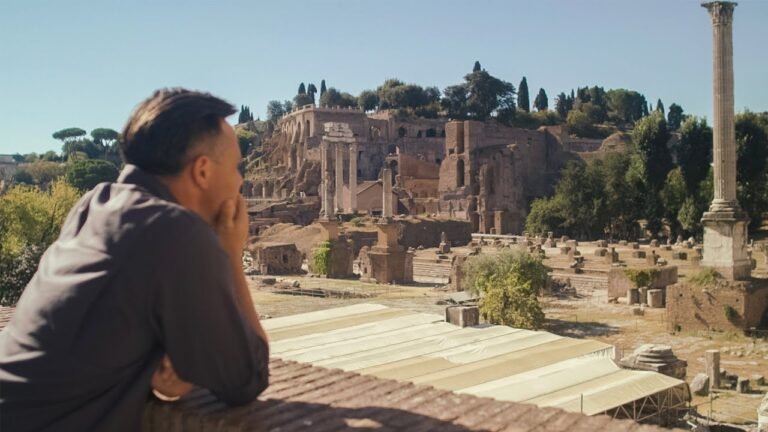
Nestled between rolling hills and arid landscapes, ancient Judea stands as a testament to a rich tapestry of history, culture, and spirituality. This region, once a thriving center of civilization, was home to diverse communities that flourished along the trade routes connecting the East and West. Ruins of grand structures and sacred sites whisper stories of the past, inviting explorers to uncover the secrets embedded in its stones.
The archaeological discoveries in Judea reveal not only the architectural prowess of its inhabitants but also their intricate social and religious practices. From the majestic Herodian palaces to the humble dwellings of everyday life, each site offers a glimpse into the lives of those who once called this land home. Artifacts unearthed in the region, such as pottery and inscriptions, provide invaluable insights into the daily routines, beliefs, and artistic expressions that defined ancient Judean society.
As researchers continue to delve into the depths of Judea’s history, the allure of this ancient land remains ever potent. The ongoing exploration not only enriches our understanding of the past but also fosters a deeper appreciation for the cultural heritage that shapes modern identities. In unveiling the heart of ancient Judea, we discover a legacy that transcends time, urging us to reflect on the connections that bind us all.
Judea: A Crossroads of Culture and Faith
Judea stands as a remarkable tapestry woven from the threads of diverse cultures and profound faiths. With a history that stretches back thousands of years, this region has been a pivotal meeting point for various civilizations, each leaving its indelible mark. From ancient Jerusalem, where sacred texts were penned, to the bustling marketplaces that echoed the voices of traders from far and wide, Judea embodies a rich narrative of human connection and spiritual exploration.
The intertwining of Judaism, Christianity, and Islam has fostered a unique cultural landscape, where traditions flourish alongside one another. Pilgrims and tourists alike are drawn to its sacred sites, from the Western Wall to the Church of the Holy Sepulchre, each representing profound milestones in the journey of faith. This confluence of beliefs creates a vibrant atmosphere that invites dialogue and understanding, reminding us of the shared values that transcend religious boundaries.
In contemporary times, Judea continues to be a beacon of hope and resilience. Its communities celebrate their heritage through festivals, art, and cuisine, showcasing a blend of ancient customs and modern influences. As the world grapples with division, Judea stands as a testament to the power of cultural exchange and the enduring spirit of coexistence, inspiring future generations to appreciate the beauty found in diversity.
Exploring the Historical Impact of Judea
Judea, a region steeped in history, has played a pivotal role in shaping religious and cultural narratives that resonate through time. From its ancient roots as a cradle of Jewish civilization to its significance in the rise of Christianity, Judea has been a crossroads of faith and conflict. The remnants of its archaeological sites serve as silent witnesses to the enduring stories of resilience, innovation, and spiritual awakening. As we delve into its rich past, we uncover the profound influences Judea has had on global heritage, inviting us to reflect on the interconnectedness of cultures and beliefs that continue to evolve today.
The Geographic Importance of Judea Through Time
Judea’s geographical significance has shaped its history as a crossroads of civilization, connecting major trade routes and cultural exchanges. Nestled between the Mediterranean Sea and the arid deserts, this region has served as a vital link between Africa, Asia, and Europe. Its strategic location has attracted various empires, from the ancient Romans to the Ottoman Turks, making it a focal point for commerce, military campaigns, and religious pilgrimage. This blend of cultural influences has enriched Judea’s heritage, contributing to a diverse tapestry of traditions and peoples.
Throughout the ages, Judea’s landscape has been both a sanctuary and a battleground, embodying the struggle for control over its fertile lands and sacred sites. The rolling hills, valleys, and ancient cities have witnessed countless transformations, reflecting the ebb and flow of power and faith. As a result, Judea not only holds a prominent place in historical narratives but also continues to be a symbol of resilience and identity for its inhabitants. Its ongoing significance in contemporary geopolitics underscores the enduring impact of geography on human experience and interaction.
Judea: A Testament to Heritage and Legacy
Judea stands as a remarkable testament to the rich tapestry of history and culture that has woven itself through the ages. With its ancient landscapes and archaeological treasures, this region offers a profound glimpse into the past, showcasing the enduring legacy of diverse civilizations. From the remnants of ancient cities to the sacred sites revered by different faiths, Judea embodies a narrative that transcends time, inviting exploration and reflection.
The region’s enduring significance is further highlighted by its vibrant communities that continue to honor their ancestral traditions while embracing the future. Festivals, art, and local crafts reflect the dynamic interplay between heritage and modernity, making Judea not just a place of historical importance, but a living testament to the resilience of its people. As visitors wander through its storied streets and breathtaking vistas, they are reminded that Judea is not only a destination but a celebration of legacy that inspires generations to come.
Judea, a region steeped in history and cultural significance, serves as a pivotal backdrop for understanding the ancient world. Its diverse landscapes and rich heritage not only shaped the lives of its inhabitants but also influenced countless narratives that resonate through time. Exploring where Judea was located offers invaluable insights into the historical events that have shaped civilizations, making it a vital subject for scholars and enthusiasts alike.