The Authorship of Psalms: Unveiling the Writer
The authorship of the Psalms, a collection of poetic hymns and prayers found in the Bible, has intrigued scholars and believers alike for centuries. While King David is traditionally credited with composing many of these sacred songs, the true identity of the writer behind each Psalm remains a topic of debate and exploration. This article delves into the historical and theological perspectives surrounding the authorship of the Psalms, shedding light on the diverse voices that have contributed to this timeless spiritual literature.
Who is the author of the books of Psalms?
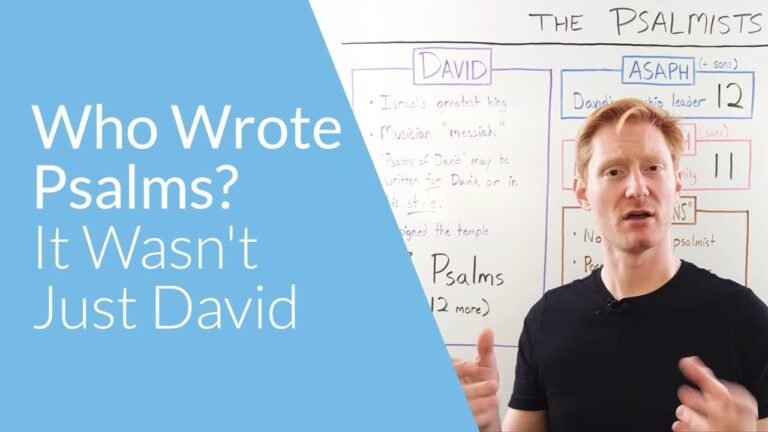
The Book of Psalms is a rich tapestry of poetry and worship, with many of its compositions attributed to notable figures in ancient Israel. King David stands out as the most prolific contributor, credited with seventy-three psalms that express a wide range of emotions and spiritual reflections. His heartfelt verses resonate with themes of lament, praise, and thanksgiving, making him a central figure in the Psalms.
Other authors also played significant roles in shaping this sacred collection. Asaph, a prominent musician and prophet, contributed twelve psalms, while the descendants of Korah added ten more, reflecting their unique experiences and heritage. Additionally, King Solomon is believed to have written one or two psalms, showcasing his wisdom and insight into the divine.
While many psalms have identifiable authors, a considerable portion remains anonymous, leaving their creators shrouded in mystery. This lack of attribution invites readers to connect with the universal themes of faith and struggle found within the verses, allowing the psalms to resonate across generations and cultures. The diversity of voices within the Psalms enriches its message, making it a timeless source of inspiration and comfort.
What motivated David to write the Psalms?
David, the King of Israel, penned the Psalms to inspire and uplift his people, particularly his soldiers, reminding them to maintain a righteous heart before God. In times of conflict, his words served as a beacon, helping the Israelites to keep a clear perspective amidst the chaos of their enemies. Through his heartfelt poetry, David sought to strengthen their faith and resilience, fostering unity and courage in the face of adversity.
Did Adam compose a psalm?
In the rich tapestry of biblical literature, the origins of certain psalms often spark intriguing discussions. Notably, Psalm 139 is attributed to Adam in the Midrash Shocher Tov, suggesting that its verses reflect themes central to his existence and creation. Specifically, verses 5 and 16 highlight the intimate connection between the First Man and his divine formation, hinting at a profound understanding of humanity’s relationship with the Creator.
While Adam is credited with the thematic essence of this psalm, it is acknowledged that King David penned the actual words. This collaboration across generations emphasizes the enduring relevance of Adam’s experiences and insights, allowing them to resonate through David’s poetic expression. Thus, Psalm 139 serves as a bridge between the primal beginnings of humanity and the rich tradition of worship and reflection that followed.
Discovering the Voices Behind the Verses
In the world of poetry, each verse carries the weight of its creator’s soul, inviting readers to explore the depths of human emotion and experience. Behind every line lies a unique voice, shaped by personal journeys, cultural backgrounds, and the desire to connect with others. As we delve into the rich tapestry of poetic expression, we uncover not just the artistry of words but also the stories of resilience, love, and longing that inspire these lyrical masterpieces. By embracing these voices, we not only celebrate individuality but also foster a greater understanding of the universal themes that bind us all.
Who Penned the Sacred Songs?
The origins of sacred songs can be traced back to various cultures and traditions, each contributing unique melodies and lyrics that resonate with spiritual significance. Many of these songs were born from the heart of communities, passed down through generations as a means of worship and connection to the divine. Renowned figures in religious history, such as poets and prophets, have often played pivotal roles in crafting these sacred texts, infusing them with profound meaning that continues to inspire and uplift.
As we delve into the rich tapestry of sacred music, it becomes clear that the act of songwriting is not merely a creative endeavor but a sacred duty. Many composers sought to express their faith through song, channeling their experiences and revelations into lyrics that capture the essence of their beliefs. These songs have transcended time, uniting believers across different cultures and backgrounds in shared moments of reverence and joy, proving that the power of music can indeed elevate the soul and foster a sense of community.
Tracing the Hands of Divine Inspiration
Throughout history, humanity has sought to understand the forces that shape our creativity and innovation, often attributing flashes of brilliance to a higher power. From the intricate designs of nature to the masterpieces of art, the subtle whispers of divine inspiration guide our hands as we craft and create. This connection between the spiritual and the creative realm allows us to transcend our limitations, tapping into an endless well of imagination. As we trace the contours of our own creations, we uncover a profound truth: that our greatest works often emerge when we surrender to the influence of something greater than ourselves, illuminating the path of human expression and connection.
Unlocking the Mysteries of Psalmic Authorship
The authorship of the Psalms has long captivated scholars and enthusiasts alike, sparking a rich tapestry of theories and interpretations. Traditionally attributed to figures such as King David, Asaph, and other biblical leaders, the true origins of these sacred songs remain elusive, inviting deeper exploration into their historical and spiritual contexts. Each psalm serves as a window into the emotional and spiritual struggles of its time, reflecting themes of devotion, lament, and praise that resonate across centuries. By delving into the complexities of their authorship, we not only uncover the voices behind the verses but also gain insight into the enduring power of these ancient texts in shaping faith and community today.
The quest to identify the writer of the Psalms reveals a rich tapestry of voices and experiences, reflecting the diverse nature of human emotion and spirituality. While King David is often credited with a significant portion of these sacred hymns, the contributions of other figures, such as Asaph, the sons of Korah, and even unknown authors, enrich the text’s depth and complexity. This collective authorship invites readers to explore the profound connection between the divine and humanity, encouraging a personal journey through the timeless wisdom embedded within these ancient verses.