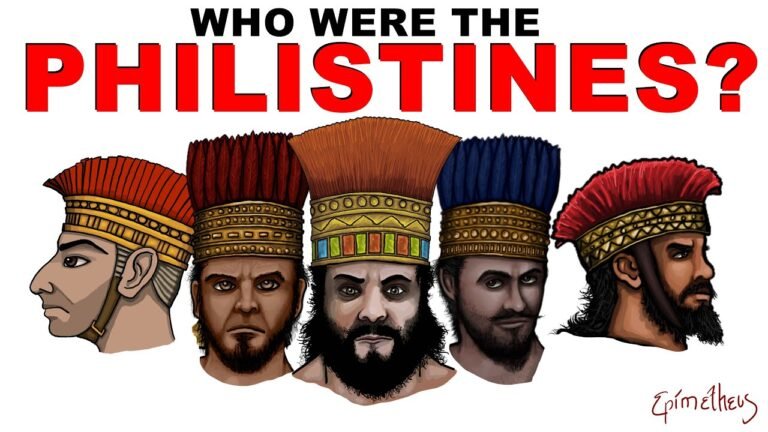
Unveiling the Philistines: Origins and Legacy
The Philistines, often depicted as the arch-enemies of the ancient Israelites, were a formidable and influential people in the ancient Near East. Emerging around the 12th century BCE, they settled along the coastal regions of modern-day Israel and Gaza, leaving a lasting impact on the cultural and historical landscape of the region. Known for their advanced metallurgy, distinctive pottery, and complex social structure, the Philistines played a fundamental role in the tumultuous dynamics of the era, engaging in trade and conflict with neighboring societies. This article delves into the intriguing history, culture, and legacy of the Philistines, shedding light on who they truly were beyond their biblical portrayal.
Who were the Philistines mentioned in the Bible?
The Philistines were a formidable presence in the Biblical narrative, inhabiting the western region of Israel known as the Land of Canaan. As a significant rival to the Israelites, they frequently clashed over territorial disputes, with the Israelites viewing the Philistines as uncivilized invaders. This animosity played a fundamental role in shaping the historical and cultural landscape of the ancient Near East, highlighting the complex dynamics between these two groups as they vied for dominance in a contested land.
What is the modern term for Philistines?
The Philistines, a prominent group in ancient Biblical narratives, are often remembered for their interactions with the Israelites. Their rich history, marked by conflict and cultural exchanges, has left a lasting impression on the region’s heritage. This ancient nation was known for its advanced cities and distinct way of life, which played a significant role in the Biblical stories that shaped the historical landscape of the area.
In contemporary times, the name that resonates with the land once inhabited by the Philistines is “Palestinians.” This modern group has a complex identity rooted in the same geographic territory that once saw the rise and fall of the ancient Philistines. As a people, Palestinians carry forward a legacy intertwined with their ancestors, reflecting the deep historical connections that persist in the region.
The similarity in names between the Philistines and Palestinians is not just a linguistic coincidence; it symbolizes the enduring ties to a rich cultural past. As history evolves, the narratives of these two groups continue to echo through time, reminding us of the intricate tapestry of identities that have inhabited this significant area. The stories of both the ancient and modern peoples contribute to the ongoing dialogue about heritage, identity, and belonging in the Middle East.
What was the ethnicity of the Philistines mentioned in the Bible?
The Philistines, often depicted as adversaries of the Israelites in the Bible, are believed to have originated from a Greek immigrant group that arrived in Canaan around 1175 BC during the period of the Late Bronze Age collapse. This migration marked the beginning of their settlement in the region, where they gradually integrated aspects of the indigenous Canaanite culture while maintaining distinct elements of their own heritage. Their unique blend of influences contributed to a complex society that played a significant role in the historical and cultural landscape of ancient Israel.
Discovering the Roots of an Ancient Culture
Venturing into the heart of an ancient civilization reveals a tapestry woven with rich traditions, profound beliefs, and remarkable achievements. From the intricate symbols etched into stone to the vibrant stories passed down through generations, each element serves as a window into the lives of those who once thrived. Exploring archaeological sites and deciphering long-lost languages not only illuminates the past but also fosters a deeper appreciation for the resilience and creativity of humanity. As we uncover the roots of this ancient culture, we connect with the essence of what it means to be human, reminding us that our histories, though distinct, share a universal thread of curiosity and wonder.
The Enduring Influence of Philistine Society
The Philistine society, often overshadowed in historical narratives, played a pivotal role in shaping the cultural landscape of the ancient Near East. Renowned for their advancements in technology, artistry, and trade, the Philistines established a vibrant civilization that thrived on innovation and intercultural exchange. Their distinctive pottery, architecture, and agricultural practices not only reflect a rich heritage but also influenced neighboring cultures, fostering a dynamic interplay of ideas and traditions. Despite facing challenges and eventual decline, the legacy of the Philistines endures, reminding us of their significant contributions to the tapestry of human history.
From Origins to Impact: The Philistine Journey
The Philistines, often depicted as the ancient adversaries of the Israelites, had a rich cultural and historical legacy that extends beyond their often-misunderstood reputation. Originating from the Aegean region, they settled along the coastal areas of modern-day Israel and Gaza around the 12th century BCE. Their unique blend of cultures, influenced by both their Aegean roots and local traditions, contributed to a distinctive way of life characterized by advancements in pottery, architecture, and urban planning. The Philistines established five major city-states—Ashdod, Ashkelon, Ekron, Gath, and Gaza—that became centers of trade and cultural exchange in the ancient Near East.
As formidable seafarers and skilled warriors, the Philistines played a significant role in the geopolitical landscape of their time. They were known for their innovative military tactics and advanced weaponry, which helped them assert dominance over neighboring territories. This prowess, however, often placed them in direct conflict with the Israelites, leading to a series of historical confrontations that have shaped perceptions of the Philistine identity. Despite these conflicts, their contributions to trade and technology facilitated interactions that enriched both their culture and that of their adversaries, highlighting a complex relationship that went beyond mere enmity.
In the centuries that followed, the Philistines’ influence waned, particularly with the rise of the Assyrian and Babylonian empires. However, their legacy endures in modern scholarship and popular culture, where they are often referenced as symbols of cultural conflict and resilience. Archaeological discoveries have unearthed insights into their daily lives, revealing a society that was vibrant, dynamic, and influential in its own right. From their artistic expressions to their architectural achievements, the Philistine journey reflects a narrative of adaptation and impact that continues to captivate historians and enthusiasts alike.
The Philistines remain a fascinating subject of study, intertwining history, archaeology, and cultural identity. Their legacy, marked by both conflict and coexistence with neighboring civilizations, offers valuable insights into the complexities of ancient societies. By delving into their origins, societal structures, and interactions with the Israelites, we not only enrich our understanding of this enigmatic group but also reflect on the broader themes of resilience and adaptation that resonate throughout human history.