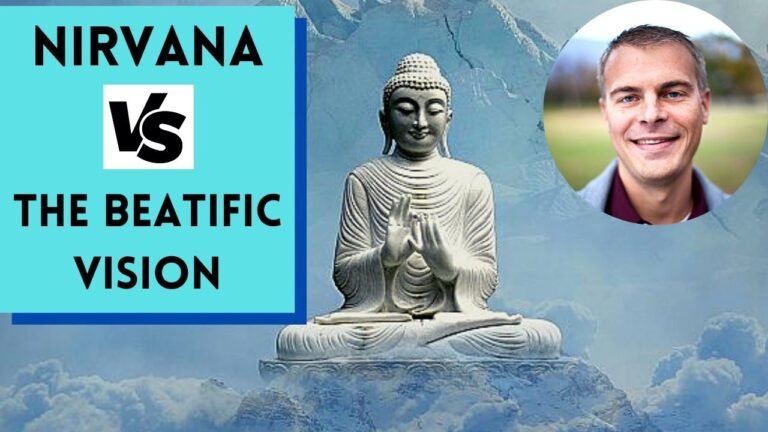
Buddhism vs Christianity: A Comparative Exploration
In a world rich with diverse beliefs, the comparison between Buddhism and Christianity stands out as a fascinating exploration of spirituality and morality. While Buddhism emphasizes inner peace and mindfulness through the Four Noble Truths and the Eightfold Path, Christianity focuses on faith, grace, and love as epitomized in the teachings of Jesus Christ. This article delves into the core principles, practices, and philosophical underpinnings of both religions, shedding light on their unique approaches to life’s ultimate questions and their impact on millions of followers around the globe.
How do Buddhism and Christianity view suffering?
Buddhism sees suffering as an inevitable part of life to be understood and transcended, while Christianity views it as a consequence of sin, with hope for redemption through faith.
What is Buddhism’s perspective on Jesus?
Buddhism offers a unique perspective on Jesus, acknowledging the profound influence he has had on spiritual thought. While the core teachings of Buddhism center around the Four Noble Truths and the Eightfold Path, many practitioners appreciate the ethical and compassionate messages found in Jesus’ teachings. This shared emphasis on love, compassion, and moral integrity fosters a dialogue between the two traditions, highlighting their potential for mutual understanding.
Interestingly, some historical accounts suggest that certain Buddhists regarded Jesus Christ as a reincarnation of the Buddha. This belief stems from the remarkable parallels in the life stories of both figures, particularly their miraculous births and the transformative impact they had on their respective societies. Such views emphasize the universal qualities of enlightenment and compassion that resonate across different cultures and religions.
This intersection of beliefs illustrates the rich tapestry of spiritual thought, where figures like Jesus and the Buddha can be seen as embodiments of similar truths. By exploring these connections, individuals can cultivate a deeper appreciation for the values of both traditions, fostering an environment of respect and dialogue that transcends doctrinal boundaries. Ultimately, the recognition of shared wisdom can inspire a collective journey towards greater understanding and compassion in the world.
Which religion is superior, Buddhism or Christianity?
Buddhism and Christianity represent two distinct paths of spiritual exploration, each offering unique insights into the nature of existence and the pursuit of meaning. At the heart of Christianity lies a belief in a single, all-powerful God who creates and sustains the universe, providing a framework for morality and purpose through divine revelation. This monotheistic perspective shapes the faith’s teachings and practices, emphasizing a personal relationship with God and the importance of community and worship.
In contrast, Buddhism presents a non-theistic approach, focusing on the individual’s journey toward enlightenment rather than dependence on a divine figure. Central to Buddhist philosophy is the understanding of suffering and the path to transcend it through mindfulness, ethical conduct, and mental discipline. This framework encourages practitioners to seek inner peace and wisdom by cultivating compassion and understanding rather than adhering to a prescribed set of beliefs about a Creator.
Ultimately, the choice between Buddhism and Christianity depends on personal beliefs and experiences. Both traditions offer valuable perspectives on life’s complexities and invite individuals to explore their own spiritual journeys. By engaging with the teachings of each, one can appreciate the rich diversity of thought that has shaped human understanding of existence and the quest for meaning throughout history.
Is it possible for a Buddhist to believe in God?
Buddhism offers a unique perspective on spirituality that differs significantly from many other religions. At its core, it emphasizes individual experience and personal enlightenment rather than adherence to a belief in a singular, all-powerful creator. This focus on self-discovery allows practitioners to explore their own understanding of existence without the constraints of traditional theistic frameworks.
While some interpretations of Buddhism may accommodate the belief in various deities or spiritual beings, these figures are generally seen as symbolic or representational rather than as omnipotent gods. This nontheistic approach encourages followers to seek insight and liberation through practices such as meditation, mindfulness, and ethical living, independent of divine intervention.
Ultimately, Buddhism invites individuals to question and reflect on their beliefs about the nature of the universe and their place within it. By prioritizing personal growth and understanding, it provides a spiritual path that can coexist alongside, or even without, the concept of a deity. This flexibility appeals to many who seek a deeper meaning in life while navigating their own spiritual journey.
Unraveling Beliefs: Core Teachings and Practices
At the heart of many spiritual traditions lies a tapestry of core beliefs and practices that guide followers on their journeys toward understanding and enlightenment. These teachings often emphasize the importance of self-awareness, compassion, and interconnectedness, inviting individuals to explore their inner landscapes while fostering a sense of community with others. Rituals, meditation, and ethical living serve as tools for cultivating mindfulness and deepening one’s connection to the universe, allowing practitioners to unravel the complexities of existence and find meaning in their lives. Ultimately, these foundational principles inspire a quest for wisdom and harmony, encouraging a profound transformation that resonates through both personal and collective experiences.
Paths to Enlightenment: Spiritual Journeys Compared
Throughout history, individuals have embarked on diverse spiritual journeys, each seeking enlightenment through unique paths. From the structured practices of Buddhism, where meditation and mindfulness serve as gateways to inner peace, to the mystical traditions of Sufism, which emphasize love and devotion as means to connect with the divine, these journeys reflect the rich tapestry of human experience. Each tradition offers tools for self-discovery, inviting seekers to delve deep into their consciousness and explore the essence of existence.
In contrast, the philosophical inquiries of the Stoics present a rational approach to enlightenment, focusing on virtue and self-control as pathways to tranquility. This journey emphasizes the importance of understanding one’s emotions and reactions, advocating for a life aligned with nature and reason. By cultivating resilience and acceptance, Stoics find freedom from external turmoil, highlighting the power of the mind in shaping one’s spiritual experience.
Ultimately, while the methods and beliefs may differ, the underlying quest for enlightenment remains universal. Whether through meditation, devotion, or rational introspection, each path offers valuable insights into the nature of reality and the self. These diverse spiritual journeys not only enrich individual lives but also foster a deeper understanding of the interconnectedness of all beings, reminding us that the pursuit of enlightenment is a shared human endeavor.
Faith and Philosophy: Bridging Two Worldviews
In an era where science and spirituality often appear at odds, faith and philosophy emerge as essential bridges that connect these seemingly disparate realms. Faith invites individuals to explore the mysteries of existence, offering a sense of purpose and belonging that transcends the material world. Meanwhile, philosophy provides the tools for critical thinking and ethical reasoning, enabling us to examine our beliefs and the implications they hold for our lives and society. Together, they foster a dialogue that enriches our understanding of the universe and our place within it.
The interplay between faith and philosophy encourages a holistic approach to life, one that embraces both the heart and the mind. This synergy allows for a deeper exploration of fundamental questions about morality, existence, and the nature of reality. By engaging with both perspectives, individuals can cultivate a more nuanced worldview that honors the richness of human experience. Ultimately, this fusion empowers us to navigate life’s complexities with wisdom, compassion, and a profound appreciation for the interplay of belief and intellect.
The comparative exploration of Buddhism and Christianity reveals profound differences and intriguing similarities that enrich our understanding of spirituality. While one emphasizes the path to enlightenment through personal introspection and detachment from desires, the other focuses on the transformative power of faith and divine love. Both traditions offer valuable insights into the human experience, encouraging followers to seek compassion, understanding, and connection with others. As we navigate the complexities of belief systems, the dialogue between these two religions continues to inspire a deeper appreciation for the diverse ways humanity seeks meaning and purpose.