The Case for Celibacy: Can Catholic Priests Marry?
The question of whether Catholic priests can marry has intrigued many, sparking debates that intertwine faith, tradition, and modernity. While the Roman Catholic Church maintains a vow of celibacy for its clergy, this practice raises discussions about the emotional and spiritual implications for priests and their communities. As societal views on relationships evolve, understanding the historical context and current policies surrounding celibacy in the Catholic Church becomes essential for grasping the complexities of this longstanding doctrine.
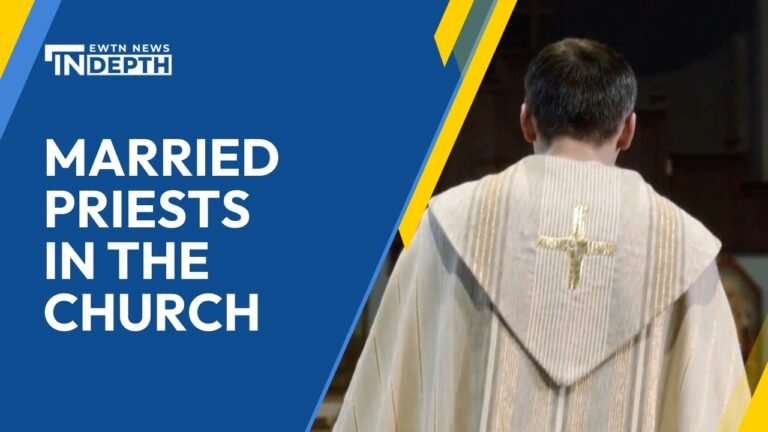
Can Catholic priests ever marry legally?
No, Catholic priests cannot marry in the Roman Catholic Church due to the vow of celibacy. However, some Eastern Catholic priests can marry before ordination.
Is it possible to be a married Catholic priest?
In the Eastern Church, priests have the opportunity to marry, while bishops remain celibate. In contrast, the Latin Rite of the Catholic Church typically requires celibacy, but there are exceptions for married men. Those who have served as ordained pastors in other Christian denominations and seek to convert can request acceptance into the priesthood, allowing them to maintain their marital status. This flexibility reflects the Church’s recognition of diverse pastoral needs and the importance of family life.
Can Catholic priests marry now?
While the Roman Catholic Church maintains a tradition of celibacy for its priests, it’s important to note that this has not always been the case. In the early centuries of the Church, priests were permitted to marry, reflecting a different understanding of clerical life. This historical context highlights the evolving nature of Church practices over time.
Today, the Eastern rite of the Catholic Church offers a notable exception, allowing married priests to serve within their communities. This practice underscores the diversity within Catholicism, as it embraces various traditions that cater to the spiritual needs of its followers. The discussions around celibacy and marriage continue to be relevant as the Church navigates contemporary challenges and seeks to connect with its congregation more effectively.
What is the reason Catholic priests are prohibited from marrying?
The practice of celibacy among Catholic priests, which emerged as an ecclesiastical law in the Middle Ages, reflects the Church’s concern over potential conflicts of interest regarding inheritance and property. As noted by Jason Berry of The New York Times, this regulation was implemented to prevent clerics’ children from inheriting church assets, thereby safeguarding the Church’s resources and maintaining its focus on spiritual rather than familial obligations. This historical decision has since shaped the priesthood, emphasizing a commitment to a life devoted entirely to serving the faith and its community.
Exploring the Vows: The Debate on Priestly Celibacy
The practice of priestly celibacy has long been a topic of fervent debate within the Catholic Church, with proponents arguing that it enhances spiritual devotion and allows priests to serve their communities without personal distractions. By abstaining from marital commitments, priests can fully dedicate themselves to their congregations, embodying the ideal of selfless service that is central to their vocation. This commitment to celibacy is seen as a reflection of Christ’s own life and a profound expression of faith that elevates the priesthood.
Conversely, critics of celibacy point to the potential for isolation and emotional strain that may arise from such a vow. They argue that allowing priests to marry could lead to healthier emotional lives and foster deeper connections within their communities. This perspective emphasizes the importance of human relationships in spiritual growth, suggesting that the Church might benefit from a more inclusive approach that recognizes the varied paths to holiness. As discussions continue, the question remains: can the Church reconcile the traditional values of celibacy with the evolving needs of its faithful?
Love, Faith, and Commitment: A Closer Look at Celibacy
Celibacy, often viewed through the lens of love, faith, and commitment, invites a profound exploration of personal devotion and spiritual growth. By choosing to abstain from sexual relationships, individuals often find themselves cultivating deeper connections with their beliefs, values, and communities. This path encourages self-reflection and emotional resilience, allowing one to focus on nurturing meaningful relationships built on trust and loyalty rather than physical intimacy. In a world that frequently equates love with romantic relationships, celibacy challenges us to redefine connection, emphasizing that true commitment can flourish in various forms, ultimately enriching our lives and faith journeys.
Unraveling Tradition: Marriage and the Catholic Priesthood
The Catholic Church has long upheld a tradition of celibacy for its priests, a practice steeped in theological and historical significance. This commitment to a life of service is seen as a way for priests to fully dedicate themselves to their spiritual responsibilities, allowing them to emulate the life of Christ more closely. By remaining unmarried, priests are believed to foster deeper connections within their communities, offering guidance and support without the distractions that familial obligations might bring.
However, this tradition has sparked ongoing debates within and outside the Church. Advocates for reform argue that allowing priests to marry could enrich their pastoral care, providing them with personal experiences that resonate with the lives of their parishioners. As societal norms evolve, the conversation surrounding marriage and the priesthood continues to challenge the boundaries of tradition, prompting a re-examination of the role of clergy in modern faith communities.
The question of whether Catholic priests can marry remains a topic of significant discussion within the Church and among its followers. While the tradition of celibacy has deep roots in Catholic doctrine, ongoing debates highlight the evolving nature of faith and the need for understanding in modern society. As conversations continue, the balance between tradition and the pastoral needs of the faithful will undoubtedly shape the future of priesthood and its practices.