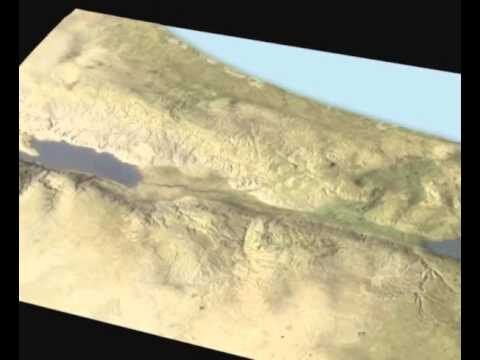
Locating Canaan on Historical Maps
Exploring the ancient world often leads us to the intriguing region known as Canaan, a pivotal area in biblical history and geography. But where exactly is Canaan on a map? Nestled between the Mediterranean Sea and the Jordan River, this land has shaped the narratives of countless civilizations. Understanding its geographical significance not only illuminates historical events but also enriches our comprehension of cultural exchanges that have occurred over millennia. Join us as we delve into the fascinating historical and geographical context of Canaan, bringing to life its enduring legacy on the map of human history.
Where is Canaan located on a map?
Canaan is located in the region of modern-day Israel, Palestine, Lebanon, and parts of Syria and Jordan, situated along the eastern Mediterranean coast.
What is the location of Canaan?
Canaan, a historical region of great significance, was located in the southern Levant. This area encompasses modern-day countries, including Israel, the West Bank and Gaza, Jordan, as well as parts of southern Syria and Lebanon.
This ancient land was not only a geographical hub but also a cultural melting pot, influencing the development of early civilizations. Its strategic location made Canaan a vital crossroads for trade and interaction among various peoples throughout history, shaping the narratives of the regions surrounding it.
Is Canaan located in Israel or Palestine?
Canaan, a historically and biblically significant region, is primarily centered in present-day Palestine. Known for its ancient inhabitants, the Canaanites, this area has been referenced in various ancient texts, including cuneiform, Egyptian, and Phoenician writings dating back to around the 15th century BCE, as well as in the Old Testament. The rich tapestry of Canaan’s history highlights its importance in the cultural and religious narratives of the region, making it a vital part of both Palestinian and broader historical identities.
Did Canaan exist before Israel?
Canaan, a region rich in history and culture, served as the cradle for various ancient civilizations long before the emergence of Israel. The Canaanites, regarded as the original inhabitants, developed a vibrant society characterized by trade, agriculture, and a complex religious system. Their influence laid the groundwork for the cultural and social dynamics that would later shape the identity of the Israelites.
When the Israelites entered Canaan, they did not completely erase the existing culture; instead, they became part of a continuum that included the Canaanites. This blending of cultures resulted in a unique societal fabric where traditions, languages, and practices intermingled. The biblical narrative often reflects this coexistence, illustrating how the Israelites adopted and adapted elements from their Canaanite predecessors while asserting their distinct identity.
Thus, the legacy of Canaan lives on through the very people who inhabited the land during and after the arrival of Israel. The descendants of the Canaanites, whether recognized as such or integrated into the Israelite identity, continue to influence the cultural landscape of the region. This historical interplay demonstrates that the story of Canaan is not just one of displacement but of enduring presence and adaptation through the ages.
Unveiling Ancient Territories: Canaan’s Place in History
Canaan, a land steeped in history, serves as a pivotal crossroads of ancient civilizations. Nestled between the Mediterranean Sea and the Jordan River, this region was not only a geographical bridge but also a cultural mosaic. The influence of neighboring empires such as Egypt, Babylon, and Persia permeated Canaan, shaping its social dynamics, religious practices, and trade routes. Archaeological discoveries have unveiled remnants of cities, artifacts, and inscriptions that narrate the rich tapestry of life that flourished within its borders.
The biblical narrative elevates Canaan’s significance, presenting it as the Promised Land in Judeo-Christian traditions. This spiritual connection has inspired countless generations, intertwining faith with historical identity. Excavations at sites like Jericho and Megiddo reveal sophisticated urban planning and evidence of agricultural advancements, underscoring the region’s role as a cradle of civilization. The stories of its inhabitants, from the Canaanites to the Israelites, continue to resonate, highlighting the complexities of cultural exchange and conflict that defined the area.
In modern discussions of history, Canaan emerges not just as a distant memory but as a reflection of humanity’s enduring quest for belonging and understanding. The interplay of different cultures within its boundaries invites exploration of themes such as migration, adaptation, and resilience. As scholars and enthusiasts delve deeper into Canaan’s past, its legacy as a vibrant and contested landscape remains vital to our appreciation of ancient history and its lasting impact on contemporary society.
Mapping the Promised Land: A Historical Perspective
Throughout history, the concept of the “Promised Land” has served as a powerful symbol of hope and aspiration for various cultures and religions. From the ancient Israelites seeking a homeland to modern movements advocating for social justice, the idea has transcended its geographical origins to embody the pursuit of a better future. This metaphorical landscape represents not just a physical territory, but also the dreams and struggles of those who yearn for freedom, dignity, and belonging.
As we explore the historical contexts that have shaped this notion, we uncover a tapestry of narratives that intertwine faith, ambition, and resilience. Each chapter in this journey reveals the challenges faced by communities striving to reclaim their identity and place in the world. By mapping these diverse experiences, we gain a deeper understanding of how the Promised Land continues to inspire individuals and movements today, urging us to reflect on our own aspirations and collective responsibilities in shaping a more equitable society.
Canaan Through the Ages: Cartographic Insights
Canaan, a land steeped in history, has been a focal point for countless civilizations over millennia. From its early depiction as a mosaic of city-states in ancient maps, Canaan’s geographical significance has attracted traders, conquerors, and explorers alike. The evolution of these cartographic representations reflects not just the physical landscape but also the cultural and political shifts that shaped its identity. As empires rose and fell, the maps of Canaan transformed, highlighting the region’s dynamic role in the ancient world.
As we delve into the cartographic insights of Canaan, we uncover the layers of influence that have marked its terrain. Early maps often illustrated the fertile valleys and strategic trade routes that fostered economic prosperity. The biblical narratives intertwined with geographical features served to anchor the region in the collective consciousness of various cultures. These illustrations not only guided travelers but also communicated the significance of Canaan as a crossroads of cultural exchange, where ideas and innovations flourished.
In more recent times, modern mapping technologies have provided a fresh perspective on Canaan’s topography and its historical context. Contemporary scholars utilize satellite imagery and geographic information systems to re-evaluate ancient routes and urban centers, revealing hidden connections within the landscape. This ongoing exploration reinforces the notion that Canaan is not merely a relic of the past, but an evolving narrative that continues to inform our understanding of history, geography, and human endeavor. Through the lens of cartography, we gain a deeper appreciation for Canaan’s enduring legacy and its pivotal role in the tapestry of human civilization.
Tracing Canaan: A Journey Across Historical Landscapes
Embarking on a journey through the ancient landscapes of Canaan offers a unique glimpse into the rich tapestry of history that has shaped the region. From the sun-drenched hills of Judea to the fertile valleys of Galilee, each step reveals remnants of civilizations that thrived and fell. As travelers navigate the winding paths once traversed by traders and pilgrims, they encounter archaeological treasures and vibrant local cultures that tell stories of resilience and transformation. This exploration not only deepens our understanding of the past but also connects us to the enduring spirit of a land that has witnessed the ebb and flow of time.
From Past to Present: Canaan on the Map
Canaan, a region steeped in history and cultural significance, has played a pivotal role in shaping the ancient world. Often identified with the modern-day Levant, its geographical boundaries have evolved over millennia. Once a melting pot of diverse civilizations, Canaan was home to the Canaanites, who thrived in agriculture and trade, establishing vibrant city-states that influenced surrounding cultures. This dynamic region served as a crossroads for ancient empires, making it a focal point for commerce and cultural exchange.
As time progressed, Canaan’s importance shifted with the rise and fall of various empires. The arrival of the Israelites marked a significant turning point, as they established their own identity and territorial claims within the land. Over centuries, Canaan witnessed conquests by the Egyptians, Assyrians, Babylonians, and Romans, each leaving their imprint on the landscape and its people. These historical layers contribute to Canaan’s rich tapestry, revealing how its significance has been continuously redefined by the ebb and flow of power throughout history.
Today, Canaan remains a symbol of resilience and cultural heritage. Modern archaeological efforts have unearthed countless artifacts that provide insights into the lives of its ancient inhabitants. The region is now recognized not only for its historical importance but also for its role in contemporary geopolitical discussions. As scholars and tourists alike explore the remnants of Canaan’s past, the land continues to captivate the imagination, bridging ancient narratives with modern realities and inviting a deeper understanding of its enduring legacy.
Understanding Canaan on a map offers a fascinating glimpse into the historical and cultural significance of this ancient region. By tracing its borders and landmarks, we connect with the rich narratives of civilizations that once thrived there. This exploration not only deepens our appreciation for historical geography but also invites us to reflect on the lasting impact of Canaan’s legacy in today’s world. Whether for academic study or personal curiosity, delving into the geography of Canaan enriches our understanding of human history and its intricate tapestry.