Understanding Catholic Beliefs on Cremation
As society evolves, so too do the practices surrounding death and mourning, prompting many to question traditional customs. Among these is the Catholic Church’s stance on cremation, a topic that has garnered attention in recent years. While historically opposed to the practice, Catholic beliefs on cremation have shifted, allowing it under specific conditions. This evolving perspective reflects a deeper understanding of the significance of the body and spirit, offering comfort to the faithful navigating choices in end-of-life arrangements.
What do Catholics believe about cremation?
Catholics accept cremation, provided it does not signify denial of faith in resurrection; remains should be treated with respect and ideally buried or entombed.
Is cremation acceptable for Catholics?
Cremation is an accepted practice within the Catholic Church, reflecting a significant shift in doctrine over the years. In May 1963, the Vatican’s Holy Office officially lifted the long-standing prohibition against cremation, recognizing it as a valid option for Catholics. This change marked a move toward a more inclusive understanding of burial practices, emphasizing the importance of the resurrection rather than the method of body disposition.
The revised Code of Canon Law in 1983 further solidified this acceptance by incorporating guidelines that allow cremation. Canon # 1176 emphasizes that Catholics should not be denied the choice of cremation, provided it is not chosen for reasons contrary to Christian teachings. This adjustment aligns with the Church’s focus on the dignity of the human body and the belief in the resurrection, ensuring that the choice of cremation is both respectful and meaningful.
Additionally, the Order of Christian Funerals reflects this evolving stance, offering prayers and rituals that honor those who are cremated. The Church encourages families to consider cremation as a viable option, while still upholding traditional values in the context of faith. This modern approach allows Catholics to navigate their end-of-life choices with both reverence and flexibility, affirming the belief in eternal life regardless of the physical form of the body.
What are Jesus’ views on cremation?
The topic of cremation in relation to biblical teachings is often met with varied interpretations. Most Biblical study resources indicate that there is no explicit command in the scriptures that either endorses or prohibits the practice of cremation. This suggests a certain level of flexibility regarding how one may choose to handle the remains of the deceased.
In the absence of direct biblical directives, many scholars emphasize the importance of the intentions and beliefs behind the choice. The focus is often placed on respectful treatment of the body, regardless of whether one opts for burial or cremation. Ultimately, the decision can be influenced by cultural, personal, and familial factors, reflecting a diversity of perspectives within the Christian community.
Moreover, the lack of specific scriptural guidance allows for a broader understanding of life, death, and resurrection in Christian theology. Many believers find comfort in the notion that physical remains, whether buried or cremated, do not hinder the promise of eternal life. Thus, cremation is viewed by many as a viable option that can coexist with faith and spirituality.
What is the recommended time frame for burying a Catholic after death?
In the Catholic tradition, the burial of the deceased is generally scheduled between two to seven days after death, with an average timing of about three days. This period allows for the necessary arrangements to be made, honoring the life of the individual while providing loved ones time to grieve and prepare for the ceremonies.
Additionally, it is customary to avoid holding funeral services on Sundays, as this day is dedicated to the celebration of the Eucharist and the community’s worship. By adhering to these practices, the Catholic Church emphasizes the importance of both mourning and spiritual reflection during this significant time.
Exploring the Church’s Perspective on Afterlife Practices
The Church’s perspective on afterlife practices emphasizes the significance of spiritual preparation and community support. Rooted in centuries of tradition, the Church teaches that the afterlife is not merely a continuation of existence but a transformative journey towards eternal communion with God. This belief encourages individuals to engage in meaningful rituals, such as prayer and remembrance, which strengthen the bonds among the living and the deceased. By fostering a sense of hope and reflection, the Church guides its followers in navigating the complexities of grief while affirming the promise of eternal life.
In addition to personal spirituality, the Church advocates for communal practices that honor the deceased and provide solace to the bereaved. Services such as funerals and memorials serve as vital touchpoints for communal grief, allowing families and friends to share their memories and support one another. Through these rituals, the Church reinforces the idea that death is not an end, but a passage that connects individuals to a larger narrative of faith and love. Ultimately, the Church’s teachings on afterlife practices inspire a deeper understanding of mortality, encouraging believers to cherish their relationships and prepare their souls for the journey beyond.
The Theology Behind Catholic Cremation
Catholic cremation has gained acceptance within the Church, reflecting a deeper understanding of the relationship between body and soul. Historically, cremation was often associated with pagan practices, leading to its initial prohibition. However, as theological insights have evolved, the Church now recognizes that cremation does not undermine the belief in resurrection. Instead, it emphasizes the sanctity of the human body, affirming that regardless of the form of disposition, the soul’s journey remains paramount. This shift underscores the belief that God will restore all souls, whether buried or cremated, in the fullness of time.
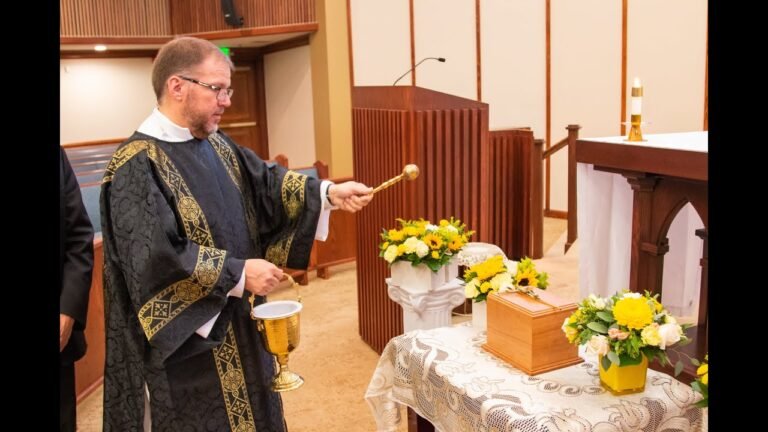
The theology behind Catholic cremation is rooted in the understanding of death as a passage rather than an end. The Church teaches that the body is a temple of the Holy Spirit and should be treated with respect, even in cremation. The ashes of the deceased are to be treated with reverence, ensuring that they are kept in a sacred place, such as a columbarium or cemetery, rather than scattered or stored inappropriately. This approach highlights the belief in eternal life and the hope of resurrection, reinforcing the idea that every individual remains cherished in the eyes of God, regardless of how their earthly remains are handled.
Navigating Traditions: Cremation in Catholicism
Cremation has become an increasingly accepted practice within the Catholic faith, transforming the way many approach the end of life. Traditionally, the Church emphasized burial as a reflection of the belief in the resurrection of the body. However, recent shifts in societal attitudes and a greater understanding of the spiritual implications have led to a more compassionate perspective on cremation. This evolution allows families to honor their loved ones while also embracing the realities of modern life.
The Catholic Church now recognizes that the act of cremation does not diminish the significance of the deceased’s body or their ultimate resurrection. Instead, it encourages the faithful to treat the ashes with respect, ensuring they are kept in a sacred place such as a cemetery or specialized columbarium. This approach allows families to engage in meaningful rituals that celebrate the life of the departed, fostering a sense of closure and community among those left behind.
As Catholic individuals and families navigate the delicate balance of tradition and modernity, they are finding new ways to honor their beliefs while embracing personal choices. The Church’s openness to cremation reflects a broader understanding of love, loss, and hope, allowing for diverse expressions of faith that resonate deeply with contemporary values. In this way, Catholics can honor their loved ones through both traditional and modern practices, creating a legacy that respects the past while looking toward the future.
Embracing Change: Modern Catholic Views on Burial and Cremation
As society evolves, so too do the perspectives within the Catholic Church regarding burial and cremation. Embracing change, modern Catholic teachings recognize the dignity of the human body, whether interred in the ground or transformed by fire. This shift reflects a deeper understanding of the resurrection and the belief that the soul’s journey transcends physical remains. Families are encouraged to make choices that honor their loved ones while remaining rooted in faith, fostering a sense of connection and hope in the face of loss. Ultimately, these evolving views highlight the Church’s commitment to compassion and understanding in a changing world.
Embracing the practice of cremation within Catholicism reflects a modern understanding of the body’s journey after death, aligning with the faith’s core beliefs about resurrection and eternal life. While traditional burial remains significant, the acceptance of cremation showcases the Church’s adaptability and compassion in addressing the needs of its followers. Ultimately, Catholic beliefs on cremation emphasize respect for the deceased and the hope of life everlasting, reaffirming that how we honor our loved ones can evolve while remaining rooted in faith.