Essential Guide to Catholic Lenten Fasting Rules
As the season of Lent approaches, many Catholics prepare to deepen their spiritual journey through fasting and reflection. Understanding the Catholic Lenten fasting rules is essential for anyone looking to embrace this sacred time fully. These guidelines not only encourage personal sacrifice but also foster a sense of community and devotion. Whether you’re a lifelong practitioner or new to the faith, grasping these principles will enhance your Lenten experience, making it a profound period of growth and renewal.
What are the key Catholic Lenten fasting rules?
Catholic Lenten fasting rules include abstaining from meat on Fridays, fasting on Ash Wednesday and Good Friday, and limiting meals on fasting days.
Who is exempt from fasting during Lent?
Fasting during Lent is a significant practice for many, but certain individuals are excused from this obligation to ensure their health and well-being. This includes those who are physically or mentally ill, particularly individuals dealing with chronic conditions such as diabetes, who may find fasting detrimental to their health.
Additionally, pregnant or nursing women are also exempt from fasting, as their nutritional needs are paramount during this critical time. These exceptions highlight the importance of balancing spiritual practices with the necessity of caring for one’s physical and mental health, allowing individuals to engage in Lent in a way that is both meaningful and mindful of their circumstances.
What is the process for fasting during Lent?
During Lent, Catholics aged 18 to 59 observe fasting on Ash Wednesday and Good Friday, reflecting their commitment to spiritual discipline. This practice involves eating one full meal and, if desired, two smaller meals that together do not equal another full meal. It is also important to refrain from consuming solid food between meals, allowing participants to focus on prayer and reflection during this sacred season.
What foods are permitted during Lent fasting?
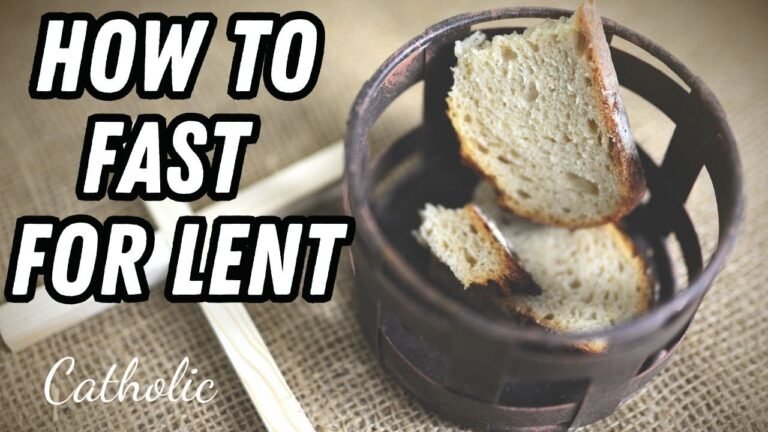
During Lent, individuals observing the fasting tradition can enjoy one full meal each day, supplemented by small snacks that should not combine to equal another full meal. While meat is typically avoided, a variety of delicious alternatives remain available, including fish, cheese, eggs, and other dairy products. This period encourages creativity in meal preparation, allowing for satisfying and nutritious options that align with the spirit of the season.
Navigating the Depths of Lent: A Practical Approach
Lent offers a unique opportunity to reflect on personal growth and spiritual renewal, inviting individuals to navigate its depths with intention and purpose. By embracing practices such as fasting, prayer, and acts of service, participants can cultivate a deeper connection to their faith and community. This season encourages self-examination and the setting of meaningful goals that foster resilience and compassion. Engaging in these transformative experiences not only enriches one’s spiritual journey but also lays the groundwork for lasting changes that extend beyond the Lenten period, ultimately leading to a more fulfilling and purposeful life.
Fast with Purpose: Understanding the Rules of Lent
Lent is a season of reflection and renewal, inviting individuals to embark on a purposeful journey of self-discipline and spiritual growth. Traditionally observed for 40 days, this period encourages believers to fast, pray, and engage in acts of charity, creating a deeper connection with their faith. By setting aside distractions and focusing on personal sacrifices, participants can cultivate mindfulness and gratitude, ultimately fostering a stronger spiritual foundation.
In embracing the rules of Lent, participants are called to make intentional choices that resonate with their values and beliefs. Whether it’s giving up a favorite indulgence or committing to volunteer work, each action serves as a reminder of the greater purpose behind these sacrifices. This sacred time not only enhances individual spirituality but also strengthens community bonds, as shared experiences during Lent inspire collective growth and compassion.
Embrace the Season: Key Fasting Guidelines for Catholics
As the season of Lent approaches, Catholics are invited to deepen their spiritual practice through fasting and reflection. This sacred time offers an opportunity to embrace simplicity and focus on the essentials of faith. By setting aside distractions, believers can cultivate a closer relationship with God, fostering a spirit of humility and gratitude. The key is to approach fasting not merely as a duty, but as a transformative experience that nurtures the soul and encourages acts of charity.
To make the most of this spiritual journey, it is important to establish clear and attainable fasting guidelines. Consider incorporating personal sacrifices or acts of kindness that resonate with your faith. Whether it’s abstaining from certain foods, limiting screen time, or dedicating time to prayer and service, each choice can serve as a stepping stone toward deeper spiritual growth. By committing to these practices, Catholics can embrace the season with intention, allowing the experience of fasting to enrich their lives and strengthen their community.
Lent Unveiled: Your Complete Fasting Handbook
Lent is a transformative period that invites individuals to reflect, renew, and reconnect with their spiritual journeys. Rooted in centuries of tradition, this season encourages believers to embrace fasting as a powerful tool for self-discipline and growth. By consciously abstaining from certain foods or habits, participants open themselves to deeper introspection and the opportunity to cultivate gratitude and compassion. This sacred time not only fosters a greater awareness of one’s faith but also allows for a meaningful reassessment of personal values and priorities.
As we navigate the challenges of modern life, the practice of fasting during Lent can serve as a refreshing pause, enabling us to step back and focus on what truly matters. Whether you choose to forgo specific indulgences or adopt new positive habits, the essence of Lent lies in the commitment to personal transformation. Engaging in this practice can lead to profound insights and strengthen connections with both God and community, ultimately enriching your spiritual experience. Embrace this journey with an open heart, and discover the profound impact that fasting can have on your life and faith.
Simplifying Lenten Observances: Essential Fasting Insights
As Lent approaches, the focus on fasting can often feel overwhelming, but understanding its essence can simplify the experience. Fasting during this season is not just about abstaining from food; it’s an opportunity for spiritual growth and reflection. By choosing to give up specific luxuries or habits, individuals can create space for prayer, self-discipline, and a deeper connection with their faith. Embracing fasting as a means of personal transformation encourages mindfulness and fosters a sense of community among those sharing in the observance. Ultimately, the key lies in intentionality—making choices that resonate personally and spiritually, transforming the Lenten journey into a meaningful and enriching experience.
Understanding Catholic Lenten fasting rules is essential for deepening one’s spiritual journey during this sacred season. By embracing these guidelines, individuals not only honor tradition but also cultivate a sense of discipline and reflection. This period of fasting and prayer serves as an opportunity for personal growth, inviting believers to renew their commitment to faith and community. Engaging with these practices can transform the Lenten experience into a meaningful path toward renewal and deeper connection with the divine.