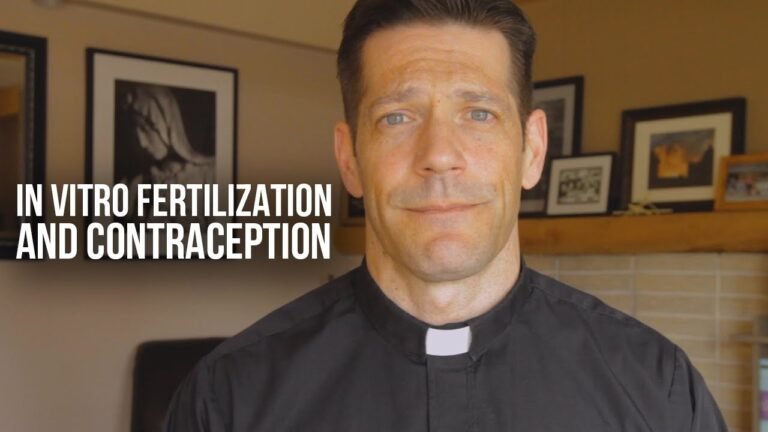
Catholics and IVF: Navigating Faith and Fertility
In the evolving landscape of reproductive technology, the intersection of Catholic beliefs and in vitro fertilization (IVF) has sparked significant debate. As couples facing infertility seek options to fulfill their dreams of parenthood, the Catholic Church’s teachings on the sanctity of life and the moral implications of assisted reproductive methods come into sharp focus. This article explores the diverse perspectives within the Catholic community regarding IVF, examining the ethical dilemmas, theological considerations, and personal stories that highlight the complexities of faith and family in modern times.
Are Catholics allowed to use IVF treatments?
The Catholic Church opposes IVF treatments because they separate procreation from the marital act, deeming it incompatible with Catholic teachings on the sanctity of life.
Is in vitro fertilization permitted by the Catholic Church?
The Catholic Church firmly opposes in vitro fertilization (IVF), viewing it as incompatible with its teachings on the sanctity of life and the nature of procreation. This stance is often misunderstood, as many Catholics, including healthcare workers and clergy, acknowledge the Church’s position but struggle to articulate the underlying reasons. The lack of clarity on this important issue highlights the need for better education and communication within the Church to ensure that its beliefs are not only recognized but also understood and embraced by its members.
What is the Catholic Church’s stance on infertility?
The Catholic Church approaches infertility with deep compassion, recognizing the emotional and spiritual challenges faced by couples. Her teachings emphasize the importance of understanding infertility not merely as a medical condition but as an opportunity for growth in faith and love. By encouraging couples to respect the dignity of human life and uphold God’s divine plan for married love, the Church provides a framework that fosters hope and healing, guiding couples to navigate their journey with grace and support.
What is the Catholic Church’s stance on egg freezing?
The Catholic Church holds a firm stance on fertility treatments, particularly those involving the freezing of eggs and embryos. According to Church teachings, these practices are seen as a disruption of the natural procreative process, as they replace the intimate act of marriage with medical interventions. The Vatican emphasizes that responsible procreation should arise from the conjugal act, which embodies the unity and purpose of marriage.
In its teachings, the Church critiques in-vitro fertilization and similar techniques for their ethical implications. It argues that these methods treat human life as a commodity, reducing embryos to mere products of technology rather than respecting them as unique and valuable lives. This perspective underscores the Church’s commitment to the sanctity of life from the moment of conception.
Ultimately, the Catholic Church advocates for a view of parenthood that aligns with its beliefs about marriage and procreation. By discouraging practices like egg freezing, the Church aims to promote a vision of family that honors both the dignity of human life and the sacredness of the marital bond. This position reflects a broader theological commitment to uphold the values inherent in the creation of life.
Balancing Beliefs and Biology
In a world where science and faith often seem at odds, the interplay between beliefs and biology invites a deeper conversation. Understanding the human experience requires a nuanced perspective that honors both the empirical evidence of science and the profound insights of spiritual traditions. By recognizing the value of each, we can create a more holistic approach to health, well-being, and personal growth.
The human body, an intricate masterpiece of biological systems, mirrors the complexity of our beliefs and values. Just as our physical health is influenced by genetics and environmental factors, our spiritual and emotional well-being is shaped by the ideologies we embrace. Acknowledging this connection allows us to explore how our beliefs can support our biological health, fostering resilience in the face of life’s challenges.
Ultimately, balancing beliefs and biology encourages a richer understanding of what it means to be human. By integrating the wisdom of our spiritual convictions with the discoveries of modern science, we can cultivate a more harmonious existence. This synergy not only enhances our personal health but also enriches our relationships, fostering a community that values both the mind and the spirit in the pursuit of wellness.
Faith-Infused Family Planning
Faith-infused family planning offers a holistic approach that harmonizes spiritual beliefs with practical considerations. By integrating values and principles rooted in faith, families can make informed decisions that reflect their beliefs and aspirations. This method encourages open dialogue, fostering deeper connections among family members while respecting individual perspectives. With a focus on responsibility and stewardship, faith-infused family planning empowers couples to navigate their journey with purpose, ensuring that each choice aligns with their core values and enhances their collective well-being.
The Intersection of Theology and Technology
The rapid advancement of technology is reshaping the landscape of theology, offering new avenues for spiritual exploration and community engagement. Digital platforms enable the dissemination of religious teachings to a global audience, fostering connections that transcend geographical boundaries. Virtual reality experiences immerse individuals in sacred narratives, while artificial intelligence assists in personalized spiritual guidance. As faith communities adapt to these innovations, they find themselves at a unique crossroads, where ancient beliefs meet modern tools, inviting a re-examination of the divine in an increasingly digital world. This intersection challenges us to consider how technology can enhance our understanding of spirituality while remaining grounded in the timeless questions of existence and purpose.
Conception Choices for the Faithful
In a world where family planning is increasingly personalized, individuals of faith are exploring options that align with their values and beliefs. The journey begins with understanding the various methods available, from natural family planning to modern contraceptives. Each choice carries its own set of implications, making it essential for couples to engage in open conversations about their intentions and moral considerations. By prioritizing education and dialogue, they can navigate the intersection of faith and family planning with confidence.
For many, the decision-making process is deeply intertwined with spiritual beliefs and teachings. Faith communities often provide guidance, encouraging couples to seek wisdom through prayer and scripture. This spiritual framework not only fosters a sense of accountability but also strengthens relationships, allowing partners to support one another in their choices. Emphasizing the importance of shared values, couples can find peace in their decisions, knowing they are honoring their faith while planning for the future.
Ultimately, the path to conception choices for the faithful is one of empowerment and respect. By embracing a holistic approach that considers both spiritual and practical aspects, couples can cultivate a family environment that reflects their values. Whether opting for natural methods or exploring new technologies, the journey is uniquely personal and should be approached with care and compassion. In doing so, they affirm their commitment to both their faith and their family, creating a legacy rooted in love and understanding.
Bridging Spirituality and Science in Reproduction
In the intricate dance of creation, the intersection of spirituality and science reveals profound insights into reproduction. While modern research uncovers the biological mechanisms behind conception and gestation, ancient wisdom emphasizes the sacredness of life and the energy that surrounds it. This harmonious blend encourages a holistic understanding, where scientific advancements in reproductive health coexist with spiritual practices that honor the journey of bringing new life into the world. By acknowledging both the empirical and the ethereal, we can foster a deeper appreciation for the miracle of birth, inspiring a more compassionate approach to reproductive choices and experiences.
The intersection of Catholic beliefs and IVF raises profound questions about life, morality, and the nature of family. As advancements in reproductive technology continue to evolve, the dialogue within the Catholic community remains crítico, balancing faith with the realities faced by those struggling with infertility. Embracing compassion while navigating ethical complexities may pave the way for a more inclusive understanding of family, one that honors both spiritual values and the deep yearning for parenthood.