Cremation and the Catholic Faith: Understanding Beliefs and Practices
As society evolves, so too do the traditions surrounding death and remembrance, prompting a thoughtful dialogue about cremation within the Catholic faith. While historically, the Church favored burial as a reflection of the resurrection, recent teachings have embraced cremation as an acceptable practice, provided it aligns with the principles of respect and reverence for the deceased. This shift invites Catholics to explore how cremation can harmonize with their beliefs, offering a meaningful alternative that honors both the individual and the faith they cherished.
How does Catholicism view cremation practices?
Catholicism permits cremation, provided it respects the dignity of the deceased and does not deny the resurrection. Burial of ashes in sacred places is encouraged.
Is cremation permissible for Catholics?
Cremation is now an accepted practice within the Catholic Church, a significant shift that began with the Vatican’s decision in May 1963 to lift the previous prohibition. This change was formally integrated into the revised Code of Canon Law in 1983, specifically Canon # 1176, and is reflected in the Order of Christian Funerals. As a result, Catholics can choose cremation without conflicting with their faith, marking a modern approach to honoring loved ones while respecting individual choices.
What are Jesus’ views on cremation?
In the context of Christian beliefs, the Bible offers a range of perspectives on the treatment of the deceased. While some traditional interpretations emphasize burial, it is fundamental to note that scripture does not provide a definitive stance on cremation. This allows for a broader understanding of how different cultures and individuals approach the end of life.
Cremation has gained acceptance in many modern societies, reflecting a shift in attitudes towards death and remembrance. For many, the choice of cremation can symbolize a return to nature or the belief in the resurrection of the body. This flexibility in practice aligns with the understanding that God’s power transcends physical forms, whether ashes are scattered, kept, or buried.
Ultimately, the decision regarding cremation rests with the individual and their loved ones, guided by personal beliefs and cultural practices. The absence of a clear directive in the Bible allows for a variety of interpretations, emphasizing the importance of love, respect, and remembrance in honoring those who have passed, regardless of the method chosen.
What is the Catholic prayer associated with cremation?
In moments of grief and reflection, the Catholic prayer for cremation offers solace and assurance. It reminds us that in God, we place our trust and hope, acknowledging the sacredness of the body, which was once a temple of the Spirit. This prayer serves as a comforting affirmation of faith, guiding the bereaved toward peace as they navigate their loss.
As we gather to honor the life of our loved one, we are encouraged to embrace the promise of everlasting peace. The prayer invites us to express our deep sorrow while simultaneously celebrating the hope that our brother or sister will dwell in the heavenly mansion prepared by God. This duality of mourning and hope is a fundamental aspect of the Catholic faith, providing a path to healing.
In closing, we seek the grace of Christ our Lord, who brings us together in our shared belief and love. This prayer not only honors the departed but also strengthens the bonds of community among those left behind. It is a heartfelt plea for peace, reminding us that love transcends even the finality of death.
Embracing Tradition: The Role of Cremation in Catholicism
Cremation has emerged as a significant ritual within Catholicism, offering a modern approach to honoring the deceased while still respecting traditional beliefs. Historically, the Church preferred burial, rooted in the resurrection of the body and the belief in eternal life. However, as societal values evolve, the Catholic Church has recognized cremation as a permissible option, provided that it aligns with Christian teachings and respects the dignity of the person.
Embracing cremation allows families to tailor their memorial practices to reflect individual values and circumstances. Many find comfort in the flexibility that cremation offers, enabling them to create meaningful tributes that resonate with their loved ones’ lives. The Church encourages families to hold a vigil or a funeral service, integrating the ashes into the liturgy, which helps in fostering a sense of community and shared faith during the grieving process.
As Catholicism adapts to contemporary practices, the embrace of cremation illustrates a balance between tradition and modernity. By honoring the deceased through cremation while maintaining a focus on spiritual beliefs, the Church fosters a deeper connection to faith and hope. Ultimately, this practice serves as a testament to the enduring nature of love and memory within the framework of Catholic teachings, inviting families to celebrate life in ways that are both meaningful and respectful.
Faithful Farewells: Navigating Cremation within Catholic Beliefs
Cremation, once viewed with skepticism within Catholic traditions, has increasingly found acceptance as a meaningful option for honoring the deceased. The Catholic Church emphasizes the importance of treating the body with respect, regardless of the method of disposition. As faith communities evolve, many families are discovering that cremation can be aligned with their spiritual beliefs, allowing for a farewell that reflects both their love for the departed and their commitment to faith.
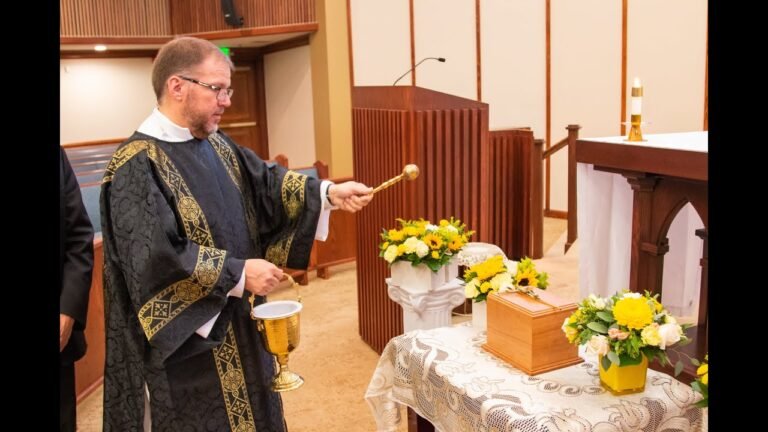
Incorporating cremation into Catholic practices involves thoughtful consideration and ritual. Families are encouraged to hold a traditional funeral Mass, which serves as a vital component of the grieving process. This gathering fosters a sense of community and provides an opportunity for shared mourning and celebration of life. Following the Mass, the cremated remains can be interred in a sacred space, such as a cemetery or columbarium, reinforcing the belief in the resurrection and the hope of eternal life.
Ultimately, navigating cremation within Catholic beliefs invites a profound exploration of love, loss, and faith. It offers families a chance to honor their loved ones in a manner that resonates with their values while embracing the Church’s teachings. By approaching this decision with reverence and intention, families can create a meaningful tribute that not only honors the deceased but also strengthens their own spiritual journey.
Sacred Choices: The Intersection of Cremation and Catholic Teachings
In recent years, the practice of cremation has gained popularity among Catholics, sparking discussions around its compatibility with traditional beliefs. While the Catholic Church historically favored burial as a means of honoring the body, it now recognizes cremation as an acceptable option, provided it is conducted with reverence and respect. This shift reflects a broader understanding of the spiritual significance of the body and the soul, emphasizing that the manner of disposition does not diminish the hope of resurrection.
As families navigate the delicate decision of choosing cremation, it is essential to consider the Church’s teachings on the sanctity of the human body and the importance of the final rites. The Church encourages that the ashes be treated with dignity, ideally kept in a sacred place, such as a columbarium or cemetery, rather than scattered or kept at home. By embracing cremation within a framework of faith, Catholics can honor their loved ones while adhering to the core tenets of their beliefs, making sacred choices that resonate with both tradition and modernity.
Cremation, once viewed with skepticism within the Catholic faith, is now embraced as a respectful option that honors the dignity of the deceased. By understanding and integrating the Church’s teachings, families can find solace in a choice that reflects both their beliefs and the evolving nature of traditions. Ultimately, the focus remains on the resurrection and the eternal life promised by God, allowing Catholics to honor their loved ones while staying true to their faith.