Understanding Eschatology: A Comprehensive Definition
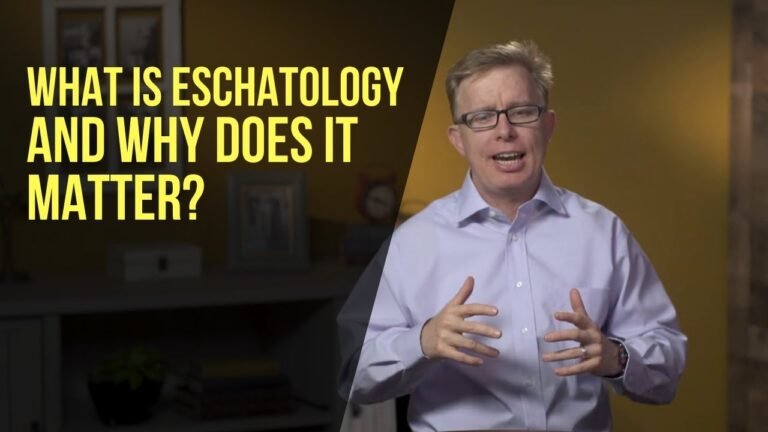
Eschatology, a term that often evokes intrigue and contemplation, refers to the study of last things or end times in religious and philosophical contexts. It encompasses beliefs about death, judgment, and the ultimate fate of humanity and the universe. By exploring various eschatological views across cultures and religions, we can gain a deeper understanding of how different societies interpret existence and what lies beyond, shedding light on our collective hopes and fears about the future.
What does eschatology truly encompass?
Eschatology is the study of end times, focusing on events related to death, judgment, and the ultimate destiny of humanity and the universe.
What is the meaning of eschatology?
Eschatology, the doctrine of the last things, encompasses profound beliefs held in Judaism, Christianity, and Islam regarding the culmination of history. This concept addresses pivotal themes such as the resurrection of the dead, the Last Judgment, and the anticipated messianic era, while also grappling with the complex issue of theodicy, which seeks to justify divine justice in the face of human suffering. Rooted in Western thought, eschatology invites exploration into ultimate questions about existence, purpose, and the fate of humanity.
What are some examples of eschatology?
Eschatology encompasses a range of profound themes that explore the ultimate destiny of humanity and the universe. Key concepts include death, the intermediate state, and the afterlife, which delve into what happens after we pass away. Additionally, this theological study addresses the final judgment, the anticipated millennium, and the eternal realms of heaven and hell, all of which shape our understanding of existence beyond this life.
Furthermore, eschatology is intrinsically linked to the promise of Jesus’ second coming, a primordial event that signifies hope and renewal for believers. This aspect not only highlights the significance of faith in the present but also offers a glimpse into a future where divine justice and restoration prevail. Together, these elements create a comprehensive framework for contemplating the end times and what lies beyond our earthly experience.
What are the four stages of eschatology?
In Christian eschatology, the journey of the soul is framed around the Four Last Things: Death, Judgment, Heaven, and Hell. These stages encapsulate the ultimate transitions that each individual faces, beginning with the inevitable end of life. Following Death, the soul undergoes Judgment, determining its eternal fate. Those deemed righteous are welcomed into Heaven, a realm of divine bliss and communion with God, while those who fall short face Hell, a state of separation and suffering. Together, these stages offer a profound reflection on morality, purpose, and the afterlife, guiding believers in their spiritual journeys.
Exploring the End Times: Key Concepts Unveiled
In a world increasingly captivated by the notion of apocalyptic scenarios, the exploration of end times concepts reveals profound insights into humanity’s fears and hopes. From ancient prophecies to modern interpretations, these visions of the future often reflect our deepest anxieties about change, loss, and redemption. As cultures grapple with environmental crises, political upheaval, and existential threats, understanding these key themes can offer not only clarity but also a pathway to resilience. By examining the narratives surrounding the end of days, we unveil a tapestry of human experience, revealing how these age-old tales continue to shape our collective psyche and inspire a quest for renewal amidst uncertainty.
A Deep Dive into Eschatological Beliefs
Eschatological beliefs, encompassing diverse perspectives on the end of the world and humanity’s ultimate fate, have shaped cultures and religions throughout history. From the apocalyptic visions in ancient texts to modern interpretations of existential risks, these beliefs reflect humanity’s quest for meaning and understanding in the face of uncertainty. Whether through the optimistic promise of renewal or the stark warnings of impending doom, eschatology invites deep reflection on morality, purpose, and the potential for transformation. As societies grapple with contemporary challenges, these age-old narratives continue to resonate, prompting individuals and communities to explore their values and aspirations for a future yet to unfold.
Decoding the Future: What Eschatology Means
Eschatology, the study of end times and ultimate destinies, invites us to explore profound questions about existence and purpose. It challenges us to contemplate not only the conclusion of our individual journeys but also the fate of humanity and the world itself. Through various cultural, religious, and philosophical lenses, eschatology offers a tapestry of visions—some nurturing hope and renewal, while others evoke caution and urgency. As we decode these narratives, we uncover insights that resonate with our present, urging us to reflect on our choices and their implications for the future. Ultimately, eschatology serves as a mirror, reflecting our deepest fears and aspirations, while guiding us toward a more meaningful understanding of life’s trajectory.
The Significance of Eschatology in Modern Faith
Eschatology, the study of end times, holds a pivotal role in contemporary faith as it provides believers with a framework to understand the ultimate purpose of life and the destiny that awaits humanity. In an era marked by uncertainty and rapid change, the exploration of eschatological themes offers hope and reassurance. It invites individuals to reflect on the deeper meanings of existence, encouraging a sense of accountability and morality in daily living. This spiritual lens helps navigate the complexities of modern life, fostering resilience in the face of personal and societal challenges.
Moreover, eschatology serves as a catalyst for unity among diverse faith traditions, as many share common beliefs about the end of days and the promise of renewal. By engaging in conversations about these significant themes, communities can cultivate a sense of belonging and shared purpose. In a world often divided by ideology, the collective anticipation of a hopeful future can bridge gaps, inspiring collaboration and compassion. Ultimately, the significance of eschatology in modern faith lies not just in its theological implications, but in its power to connect individuals and communities in their quest for meaning and peace.
Bridging Theology and Time: Understanding Eschatology
Eschatology, the study of end times and ultimate realities, serves as a bridge between theological beliefs and the human experience of time. It invites individuals to reflect on the profound questions of existence, purpose, and destiny. By examining various religious interpretations of the end of the world, eschatology encourages a deeper understanding of how ultimate events shape moral and ethical frameworks in contemporary life. Through its diverse narratives, it offers a lens to view the present, prompting believers to consider their actions in light of future consequences.
Throughout history, different cultures and faiths have articulated their eschatological visions, each contributing unique perspectives to the ongoing dialogue about humanity’s fate. These narratives can inspire hope, instill fear, or provoke critical reflection on societal values. By exploring themes such as judgment, redemption, and resurrection, eschatology connects the temporal with the eternal, challenging individuals to seek meaning in their lives and relationships. This exploration not only informs personal beliefs but also fosters a collective understanding of shared human aspirations and anxieties.
In an age marked by rapid change and uncertainty, the relevance of eschatology becomes increasingly pronounced. It encourages individuals and communities to confront existential questions while cultivating resilience and purpose. As we navigate the complexities of modern life, the insights gleaned from eschatological studies can guide us toward a more profound awareness of our responsibilities to one another and the world around us. Ultimately, bridging theology and time through eschatology offers a pathway for meaningful engagement with both the past and the future, enriching our spiritual journeys and societal connections.
Eschatology, with its rich tapestry of beliefs and interpretations, invites us to explore the ultimate questions of existence and our place in the universe. By understanding this complex field, we not only gain insights into various cultural and religious perspectives but also engage in a profound dialogue about life, death, and what lies beyond. Embracing these discussions can deepen our appreciation for the diverse ways humanity seeks to make sense of the unknown, encouraging us to reflect on our own beliefs and the future we envision.