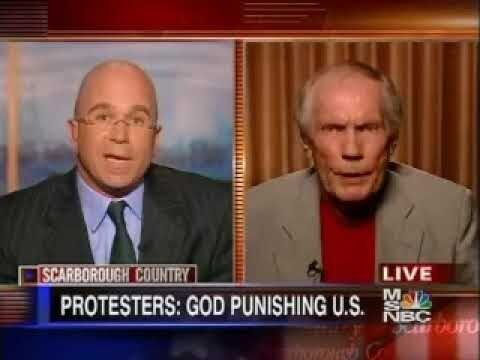
The Controversial Legacy of Fred Phelps Sr.
Fred Phelps Sr. was a controversial figure whose actions and beliefs sparked widespread debate and outrage. As the founder of the Westboro Baptist Church, he became infamous for his inflammatory protests against various social issues, particularly LGBTQ+ rights. Phelps’ unwavering commitment to his interpretation of religious doctrine positioned him as a polarizing character in American society, raising critical questions about the limits of free speech, the role of religion in public life, and the impact of hate on communities. This article delves into his life, beliefs, and the legacy of division and dialogue that continues to resonate today.
What influenced Fred Phelps Sr.’s controversial beliefs?
Fred Phelps Sr.’s controversial beliefs were influenced by his strict religious upbringing, personal interpretations of scripture, and a desire for attention through provocative actions.
Who was Fred Phelps Sr. and what is he known for?
Fred Phelps Sr. was an American pastor and civil rights attorney best known as the founder of the Westboro Baptist Church, a group notorious for its extreme views and controversial protests. Born in 1929, Phelps gained notoriety in the late 20th century for his vehement opposition to homosexuality, which he publicly expressed through picketing at various events, including military funerals and LGBTQ+ pride parades. His church claimed to be a voice of God, spreading a message of hate that drew widespread condemnation and highlighted the deep divisions over issues of morality and freedom of speech in American society.
Phelps and his congregation became widely recognized for their provocative slogans and signs, such as “God Hates Fags,” which they displayed during their protests. While Phelps believed he was fighting for a divine cause, his actions sparked a national dialogue about the limits of free expression and the impact of hate speech. His legacy remains contentious, as it raises questions about the intersection of religious beliefs, activism, and societal values, prompting ongoing discussions about tolerance and the boundaries of acceptable protest.
What organization did Fred Phelps Sr. found, and what were its main beliefs?
Fred Phelps Sr. founded the Westboro Baptist Church, a small but highly controversial religious organization known for its extreme interpretations of Christianity. The church is infamous for its vociferous protests against various groups, particularly the LGBTQ+ community, which they believe are sinful and deserving of condemnation. Their core beliefs center around the idea that God punishes nations for their acceptance of homosexuality and other behaviors they view as immoral. The group often expresses these views through provocative slogans and demonstrations, creating significant public outrage and drawing attention to their radical ideology.
How did Fred Phelps Sr.’s actions and protests impact public perception of his views?
Fred Phelps Sr.’s actions and protests, particularly through his Westboro Baptist Church, significantly polarized public perception of his views. While he intended to promote his extreme anti-LGBTQ+ rhetoric as a form of religious expression, the aggressive nature of his demonstrations, often at high-profile events like military funerals, sparked widespread outrage and condemnation. This backlash not only galvanized opposition against his beliefs but also fostered a broader discourse on tolerance and human rights. As a result, Phelps became a symbol of hate for many, ultimately overshadowing any legitimacy his theological arguments might have had and uniting diverse groups against intolerance.
What controversies surrounded Fred Phelps Sr. during his lifetime?
Fred Phelps Sr., the founder of the Westboro Baptist Church, became a polarizing figure due to his vehement anti-LGBTQ+ stance and inflammatory protests, notably at military funerals. His church’s messages, often encapsulated in slogans like “God Hates Fags,” sparked widespread outrage and condemnation, leading to numerous legal battles over free speech and public protest rights. Phelps’s extreme views not only alienated many but also ignited debates on the limits of freedom of expression, raising questions about the intersection of religious beliefs and societal values. His controversial legacy continues to evoke strong reactions, highlighting the complexities surrounding hate speech and tolerance in contemporary discourse.
Unraveling the Impact of a Polarizing Figure
In an era defined by divisive opinions and fervent debates, the emergence of a polarizing figure can significantly reshape public discourse and influence societal norms. This individual often becomes a lightning rod for both fervent support and vehement opposition, drawing attention to critical issues and prompting widespread discussion. By challenging the status quo, they ignite passions and encourage people to engage more deeply with the topics at hand, whether by rallying supporters or provoking critics to articulate their viewpoints more clearly.
The impact of such a figure extends beyond immediate conversations; it fosters a culture of activism and engagement that can lead to long-lasting changes. As communities rally around or push back against their ideas, new movements often emerge, highlighting the importance of civic participation. Ultimately, the presence of a polarizing figure serves as a catalyst for reflection, inspiring individuals to examine their beliefs and consider the broader implications of their advocacy, thus shaping the landscape of public opinion for years to come.
Love, Hate, and Faith: Phelps’ Enduring Influence
Fred Phelps, the controversial founder of the Westboro Baptist Church, left an indelible mark on American culture, provoking a complex interplay of love, hate, and faith. While his vehement protests against LGBTQ+ rights and military funerals sparked outrage and condemnation, they also ignited fervent debates about free speech and religious expression. Phelps’ fervor drew both passionate supporters and staunch opponents, highlighting the deep divides within American society. Despite the abhorrence many felt towards his methods, his actions prompted a broader dialogue on tolerance, acceptance, and the very nature of belief, underscoring how one individual’s extreme ideology can shape national conversations about morality and human rights. Ultimately, Phelps’ legacy serves as a reminder of the power of conviction, for better or worse, in the ongoing struggle between love, hate, and faith.
The Duality of a Legacy: Activism and Outrage
In a world increasingly defined by social movements, the duality of activism and outrage emerges as a powerful force shaping our collective legacy. Activism represents the proactive pursuit of change, driven by a deep-rooted desire for justice and equality. It galvanizes communities, ignites passion, and fosters dialogue, mobilizing individuals to stand up and take action against systemic injustices. Activists often envision a brighter future, striving to build bridges rather than walls, and working tirelessly to create a society that reflects the values of empathy and inclusion.
Conversely, outrage often occupies a space fueled by frustration and indignation, serving as a catalyst for immediate response. It is the emotional reaction to perceived injustices that can spark movements overnight, galvanizing public attention and demanding accountability. While it can energize individuals and communities, outrage can also lead to polarization, as it sometimes prioritizes anger over understanding. This tension highlights the need for a balanced approach, where the fervor of outrage is channeled into constructive activism that fosters lasting change rather than fleeting reactions.
Together, activism and outrage form a complex tapestry of social change, illustrating the multifaceted nature of human response to injustice. As we navigate this landscape, it is importante to harness the power of both elements in a harmonious manner. By embracing the passion of outrage while grounding our efforts in the principles of activism, we can cultivate a legacy that not only reflects our aspirations for a just society but also honors the voices of those who have fought tirelessly for equality. This duality is not just a response to the challenges we face; it is a testament to our resilience and commitment to shaping a better world for generations to come.
Examining Phelps’ Role in Modern Religious Discourse
Fred Phelps, the founder of the Westboro Baptist Church, has become a controversial figure in modern religious discourse, often embodying the extremes of religious expression and activism. His vehement anti-LGBTQ+ rhetoric and public protests, particularly at military funerals, have sparked widespread outrage and debate about the intersection of faith, freedom of speech, and societal values. While many view Phelps as a pariah, his actions have inadvertently prompted critical conversations about tolerance, the boundaries of religious expression, and the role of faith in public life.
Despite the negative connotations associated with his methods, Phelps’ legacy forces society to confront uncomfortable questions about religious extremism and its implications for community cohesion. His unapologetic stance has galvanized both supporters and detractors, igniting discussions that transcend mere condemnation. In this context, Phelps serves as a catalyst for examining how religious beliefs can be wielded for both divisive and unifying purposes, challenging individuals and institutions to reflect on their own values and responses to hate in the name of faith.
Fred Phelps Sr. remains a polarizing figure whose legacy continues to evoke strong emotions. While his controversial methods and beliefs sparked widespread condemnation, they also ignited important conversations about the boundaries of free speech and the impact of extremism. Understanding Phelps’ life and actions offers a critical lens through which we can examine the complexities of hate, tolerance, and the ongoing struggle for civil rights in society today.