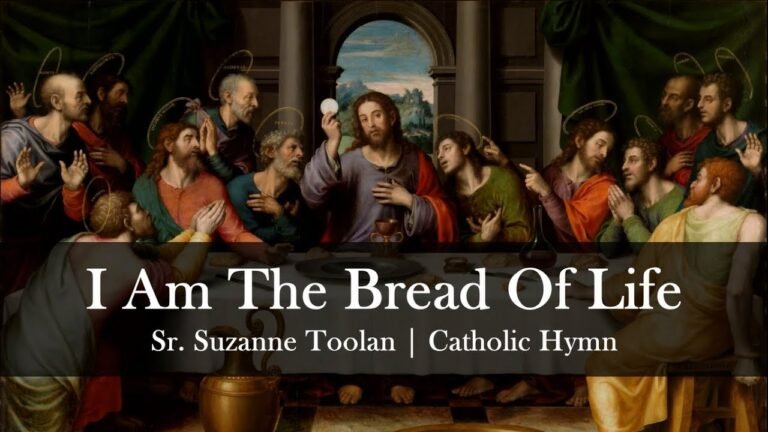
Embracing the Bread of Life: A Journey of Spiritual Nourishment
In a world often filled with uncertainty and hunger, the profound statement I am the bread of life resonates deeply, offering both spiritual sustenance and hope. This powerful declaration invites us to explore the essence of nourishment beyond physical needs, encouraging individuals to seek fulfillment in faith, community, and purpose. As we delve into its meaning, we uncover how this simple yet profound metaphor can transform our understanding of life, love, and our interconnectedness with one another.
What does I am the bread of life mean?
I am the bread of life means that Jesus provides spiritual nourishment and sustenance, essential for eternal life and fulfillment.
What is the significance of Jesus’ statement I am the bread of life?
When Jesus proclaims, “I am the bread of life,” he emphasizes his role as the essential sustenance for spiritual nourishment and eternal life. This declaration signifies that, just as bread is fundamental to physical survival, he is vital for our spiritual existence and fulfillment. By identifying himself as the bread of life, Jesus invites us to rely on him for our deepest needs, assuring us that through him, we can find lasting satisfaction and connection to the divine.
What does John 6:35 mean?
In John 6:35, Jesus proclaims, “I am the bread of life,” emphasizing His role as the ultimate sustenance for the soul. This powerful declaration assures us that those who seek Him will find fulfillment and never experience spiritual hunger or thirst. By presenting Himself as the Bread of Life, Jesus invites us into a relationship where our deepest needs are met, highlighting God’s provision and the transformative power of faith in Him. This promise resonates with those yearning for purpose and meaning, offering hope and assurance in a world often filled with emptiness.
What is the meaning of the idiom bread of life?
The idiom “Bread of Life” carries deep spiritual significance, rooted in biblical teachings. It symbolizes God’s role as the sustainer of life, illustrating the essential nourishment that faith and spiritual connection provide. In this context, bread transcends its physical form, representing the profound sustenance that comes from a relationship with the divine.
When Jesus proclaimed Himself as the Bread of Life, He was emphasizing that true fulfillment and eternal life are found in Him alone. This declaration reassures believers that, just as bread nourishes the body, faith in Christ nourishes the soul, offering both present comfort and hope for the future. Through this powerful metaphor, followers are encouraged to seek spiritual nourishment that transcends earthly needs.
Discovering the Essence of Spiritual Fulfillment
In a world often dominated by material pursuits, the search for spiritual fulfillment invites individuals to delve deeper into their inner selves. This journey transcends religious boundaries, encouraging a personal exploration that encompasses mindfulness, gratitude, and a connection to something greater than oneself. By engaging in practices such as meditation, journaling, or simply spending time in nature, one can unearth profound insights that illuminate life’s purpose and foster a sense of peace.
As we embrace this quest for meaning, we discover that spiritual fulfillment is not a destination but a continuous process of growth and self-discovery. Each moment of reflection and awareness serves as a stepping stone, guiding us toward a richer, more authentic existence. By nurturing our spirit and cultivating a supportive community, we can transform our lives, finding joy in the journey and a deeper connection to the world around us.
Nurturing the Soul Through Divine Connection
In a world that often feels chaotic and disconnected, nurturing the soul through divine connection offers a sanctuary of peace and purpose. This profound relationship allows individuals to explore their inner depths, fostering a sense of belonging and understanding that transcends the everyday grind. Whether through meditation, prayer, or simply moments of quiet reflection, these practices help cultivate a deeper awareness of oneself and the universe, enabling a transformative journey toward inner harmony.
Embracing this divine connection not only enriches personal spirituality but also enhances our interactions with others. As we nurture our souls, we become more compassionate, empathetic, and open-hearted, creating ripples of positivity in our communities. This collective upliftment fosters a shared sense of hope and resilience, reminding us that we are all interconnected. By prioritizing our spiritual well-being, we can illuminate the path for ourselves and others, forging a brighter, more harmonious world.
Feeding the Spirit: Lessons from the Bread of Life
In a world often driven by the hustle and bustle of daily life, the simple act of sharing bread serves as a profound reminder of community and connection. The Bread of Life teaches us that nourishment extends beyond the physical; it encompasses the emotional and spiritual sustenance we provide one another. When we gather around the table, breaking bread together, we cultivate an atmosphere of trust and belonging, fostering relationships that uplift and inspire. Each loaf tells a story of collaboration, love, and the shared human experience, inviting us to reflect on how we can offer our own gifts to those around us.
Moreover, the lessons from the Bread of Life encourage us to embrace humility and gratitude in our daily interactions. As we partake in the blessings of life, we are reminded of the importance of giving back, sharing not just our resources but also our time and compassion. This ethos of reciprocity enhances our spiritual well-being, allowing us to grow in empathy and understanding. Ultimately, feeding the spirit is about recognizing the interconnectedness of our journeys and committing to a life of service, where each small act of kindness can ripple outwards, creating a more harmonious and nurturing world.
A Transformative Path to Inner Wholeness
Embarking on a journey toward inner wholeness invites us to explore the depths of our true selves, shedding layers of doubt and fear that often obscure our potential. This transformative path encourages self-reflection and mindfulness, allowing us to embrace both our strengths and vulnerabilities. As we cultivate self-awareness, we unlock the power to heal past wounds and foster connections with others, ultimately leading to a more authentic and fulfilling life. By nurturing our inner landscape, we discover that wholeness is not a destination, but an ongoing process of growth and self-discovery that enriches our existence.
Embracing the essence of I am the bread of life invites us to nourish our spirits and seek fulfillment beyond the material. This profound message encourages us to find sustenance in deeper connections, compassion, and purpose, reminding us that true abundance lies in our relationships and the love we share. As we cultivate this understanding, we transform our lives into a feast of gratitude and joy, enriching not just ourselves but also those around us.