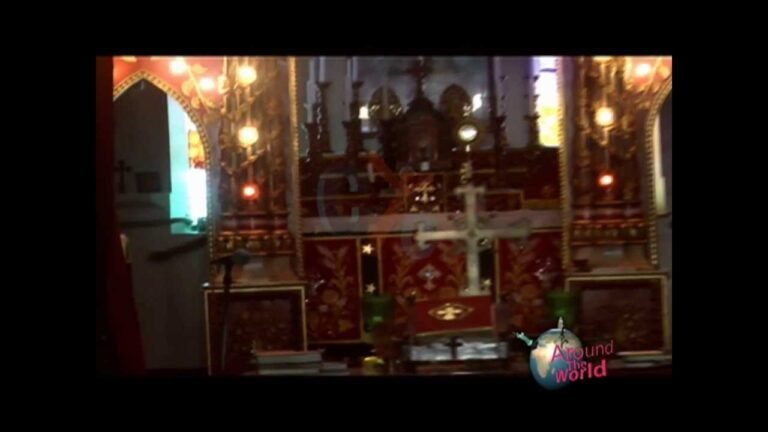
Exploring Indian Orthodox Traditions and Beliefs
The Indian Orthodox Church, with its rich heritage and vibrant traditions, stands as a testament to the deep-rooted faith and cultural diversity of India. This ancient Christian denomination, part of the Oriental Orthodox communion, has preserved its unique practices and theological beliefs for centuries. As it navigates the challenges of modernity and globalization, the Indian Orthodox community continues to thrive, fostering a sense of identity and belonging among its members while playing a vital role in the broader tapestry of Indian society.
What defines Indian Orthodox Christianity today?
Indian Orthodox Christianity today is defined by its rich traditions, liturgical practices, emphasis on community worship, and a strong connection to historical roots and cultural identity.
What are the beliefs of the Indian Orthodox Church?
The Indian Orthodox Church holds a rich tradition centered around the belief in seven sacraments, which serve as vital rites of passage and expressions of faith for its followers. These sacraments include Holy Baptism, Holy Mooron (Chrismation), Holy Confession, Holy Qurbana, Holy Matrimony, Holy Orders (Priesthood), and Holy Anointing of the Sick. Each sacrament represents a significant aspect of spiritual life, guiding believers in their journey of faith and community.
Among these sacraments, Holy Baptism, Holy Mooron, and Holy Orders hold a unique place, as they are considered irrevocable and are not to be repeated. Holy Baptism initiates individuals into the Christian faith, symbolizing spiritual rebirth. Holy Mooron follows, empowering the baptized with the Holy Spirit, while Holy Orders ordains individuals into the priesthood, allowing them to serve the church and its congregation in a sacred capacity.
The significance of these sacraments underscores the Indian Orthodox Church’s commitment to nurturing spiritual growth and fostering a deep connection with God. Through the observance of these sacred rites, believers not only affirm their faith but also participate in a timeless tradition that has shaped their spiritual identity and community life for generations.
Are Indian Christians considered orthodox?
Orthodox Christianity holds a prominent position in India, especially within the southern regions of Kerala and Tamil Nadu. This tradition is deeply rooted in the country’s history, reflecting a rich cultural tapestry that blends ancient customs with Christian beliefs. The Malankara Orthodox Syrian Church, often referred to as the Indian Orthodox Church, stands as the principal representative of Orthodox Christianity in India, serving as a spiritual home for countless followers.
The Indian Orthodox Church not only preserves its unique liturgical practices and theological teachings but also plays a vital role in the social and cultural life of its communities. With its emphasis on tradition and community service, the church actively engages in educational initiatives and healthcare, contributing to the well-being of society while fostering a sense of identity among its members. This vibrant faith continues to thrive, showcasing the diverse religious landscape of India.
What is the population of Indian Orthodox Christians?
The Indian Orthodox Church is a vibrant expression of faith that is deeply rooted in the traditions of the Syriac rites. It is primarily divided into two main groups, each preserving its unique heritage while contributing to the larger Orthodox community. The Malankara Orthodox Syrian Church stands as the largest of these, with approximately 2.5 million members who actively engage in the spiritual and cultural life of the church.
In addition to the Malankara Orthodox Syrian Church, the Malankara Syriac Orthodox Church comprises around 1.2 million faithful. Together, these two branches represent a significant portion of the Orthodox Christian population in India, with most adherents residing in the subcontinent. Their shared customs and practices not only highlight the richness of their religious identity but also emphasize the importance of community and tradition in their daily lives.
Unveiling the Rich Tapestry of Faith
Faith weaves a rich tapestry that reflects the diverse threads of human experience, belief, and tradition. From the quiet moments of personal reflection to the vibrant gatherings of community worship, faith manifests in myriad forms, each contributing to a greater understanding of our shared humanity. It inspires acts of compassion, fuels the quest for meaning, and fosters connections that transcend cultural boundaries. By embracing the depth and variety of faith, we open ourselves to a world of wisdom and insight, inviting dialogue and growth that enriches our lives and strengthens the bonds that unite us all.
Journey Through Rituals and Customs
Every culture is woven together by a tapestry of rituals and customs that reflect its unique history and values. From vibrant festivals celebrating the changing seasons to intimate ceremonies marking significant life events, these traditions serve as a bridge between generations, connecting the past with the present. Engaging in these practices not only strengthens community bonds but also fosters a sense of belonging and identity among individuals. Each ritual, whether a heartwarming wedding or a solemn funeral, carries with it stories and meanings that resonate deeply within the hearts of those who participate.
As we navigate this journey through rituals and customs, we discover a rich diversity that enhances our understanding of humanity. These practices encourage us to embrace differences and find common ground, illustrating that while traditions may vary, the underlying themes of love, respect, and celebration unite us all. By honoring these customs, we not only preserve our cultural heritage but also invite others to share in the beauty of our experiences, creating a mosaic of shared stories that enrich our lives and foster global unity.
Understanding the Heart of Indian Orthodoxy
Indian orthodoxy, deeply rooted in centuries of tradition, encompasses a rich tapestry of beliefs and practices that shape the cultural landscape of the subcontinent. At its core, orthodoxy in India is characterized by a strong adherence to religious texts and rituals, which serve as guiding principles for millions. This unwavering commitment to tradition fosters a sense of identity and community, allowing individuals to connect with their heritage while navigating the complexities of modern life.
The diverse expressions of Indian orthodoxy manifest across various faiths, including Hinduism, Buddhism, Jainism, and Islam, each offering unique interpretations of spiritual principles. In Hinduism, for instance, the reverence for sacred scriptures like the Vedas and the importance of caste and ritual play a significant role in maintaining societal order. Similarly, in Islam, adherence to the Quran and the teachings of the Prophet Muhammad shapes personal conduct and communal harmony. This intricate interplay of beliefs not only preserves age-old practices but also adapts to the evolving needs of contemporary society.
As globalization and modernization influence Indian society, the challenge for orthodoxy lies in balancing tradition with change. Many individuals grapple with the desire to uphold their cultural heritage while embracing new ideas and values. This dynamic tension creates opportunities for dialogue and reinterpretation, allowing orthodoxy to remain relevant in an ever-changing world. By fostering understanding and respect for diverse perspectives, Indian orthodoxy can continue to thrive, enriching the lives of future generations while honoring the wisdom of the past.
A Deep Dive into Spiritual Heritage
Spiritual heritage encompasses the rich tapestry of beliefs, practices, and traditions that shape our understanding of the world and our place within it. It serves as a bridge connecting generations, offering insights into the values and wisdom of those who came before us. By exploring various spiritual paths, we uncover a wealth of knowledge that helps us navigate life’s complexities and fosters a sense of belonging within a diverse community.
Delving into this heritage invites us to reflect on our personal journeys while honoring the collective experiences of humanity. As we engage with different spiritual practices, we not only enrich our own lives but also cultivate empathy and understanding for others. This deep dive into spiritual heritage ultimately encourages a harmonious coexistence, reminding us that while our paths may differ, the quest for meaning and connection is a universal endeavor.
The rich tapestry of Indian Orthodox traditions offers a profound glimpse into the country’s diverse cultural heritage. By embracing its unique practices and vibrant community life, Indian Orthodox not only preserves its historical roots but also fosters a sense of belonging and identity among its followers. As the world continues to evolve, the enduring spirit of Indian Orthodox serves as a reminder of the importance of faith, resilience, and the celebration of cultural diversity.