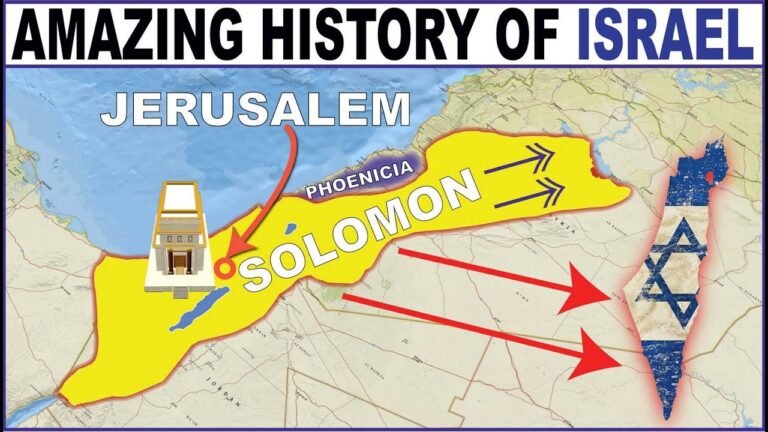
Exploring the Map of Ancient Israel and Judah
The map of ancient Israel and Judah serves as a fascinating window into the historical landscape of a region rich in cultural and religious significance. This detailed representation not only highlights the geographic divisions and key cities of these ancient kingdoms but also provides insights into the socio-political dynamics that shaped their histories. By exploring this map, we gain a deeper understanding of the interactions between various tribes, the impact of conquests, and the enduring legacy of these lands in modern times.
What regions did ancient Israel and Judah encompass?
Ancient Israel and Judah encompassed regions in modern-day Israel, Palestine, and western Jordan, including areas like Jerusalem, Samaria, and Galilee.
What distinguishes Judah from Israel?
Following the reign of King Solomon, the united kingdom of Israel fractured into two distinct entities: the northern kingdom, known as Israel, and the southern kingdom, called Judah. Israel comprised ten of the twelve tribes, highlighting its larger geographical and demographic scope, while Judah was formed from the tribes of Judah and Benjamin, making it smaller but significant in its cultural and religious heritage. This division marked a pivotal moment in biblical history, shaping the identities and destinies of the two kingdoms.
What is the modern name for Judah?
The historical region once known as Judah, or Judea, has undergone significant changes in both name and governance through the ages. In contemporary contexts, this area is often referred to by various names that reflect the complex tapestry of its cultural and political landscape. For Jewish Israelis, the term Judea remains prevalent, representing a connection to their ancient heritage, while others may refer to it simply as Israel, emphasizing national identity.
Conversely, Palestinians and certain international communities identify this territory as the West Bank. This designation roots itself in historical context, specifically harking back to the period when the region was recognized as the western part of Jordan. The term encapsulates the geopolitical realities and the ongoing narratives of identity and belonging that shape the lives of its inhabitants today.
The differing names used for this area are more than mere labels; they symbolize the intertwined histories and the ongoing struggles for recognition and rights among the diverse populations that inhabit the land. As perspectives continue to evolve, the names we use reflect not only geographical distinctions but also the rich and often contentious stories that define this significant region.
What was the location of Judah in ancient Israel?
The tribe of Judah, one of the twelve tribes of ancient Israel, established its presence in the region south of Jerusalem. Over time, it rose to prominence, becoming the most influential tribe in the area. This ascendancy was marked by the emergence of notable kings, including David and his son Solomon, who played pivotal roles in shaping the history and culture of Israel.
Judah’s significance extended beyond mere political power; it was also the focus of prophetic declarations regarding the coming Messiah. This spiritual legacy reinforced the tribe’s importance in the broader narrative of ancient Israel, as it became synonymous with leadership, strength, and divine promise, securing its place in the annals of history.
Unveiling the Historical Landscape of Two Kingdoms
The historical landscape of the Two Kingdoms is a tapestry woven from rich cultural threads and significant events that have shaped its identity over centuries. This dynamic region, marked by the interplay of two distinct yet interconnected realms, showcases a fascinating blend of traditions, governance, and social evolution. From ancient alliances to fierce rivalries, the narrative of the Two Kingdoms reveals how geography, resources, and ideologies have influenced the lives of its inhabitants, creating a legacy that continues to resonate today.
As we delve deeper into this intriguing history, we uncover the stories of remarkable leaders and everyday citizens who navigated the challenges and triumphs of their time. The architectural wonders and artifacts scattered throughout the landscape stand as testaments to the ingenuity and resilience of those who came before us. By exploring the intricate relationships between the kingdoms, we gain valuable insights into the forces that shaped their destinies, inviting us to appreciate the enduring impact of their shared heritage on contemporary society.
A Journey Through Time: The Heart of Biblical Lands
In the heart of the Biblical lands, ancient stories intertwine with the vibrant tapestry of modern life, creating a unique journey through time. From the majestic ruins of Jerusalem to the serene shores of the Sea of Galilee, each location echoes with tales of faith, struggle, and resilience. Visitors wander through bustling markets where the aromas of spices and fresh produce evoke a sense of timelessness, while age-old traditions continue to thrive alongside contemporary culture. This rich blend of history and modernity invites exploration, allowing travelers to connect deeply with the narratives that shaped civilizations.
As you traverse this sacred landscape, each step reveals the footprints of those who have come before, from prophets to pilgrims. The landscapes, painted with the colors of both sunrise and sunset, become a backdrop for reflection and discovery. Whether standing before the Western Wall or gazing at the rolling hills of Judea, the significance of these lands resonates profoundly. This journey is not merely a passage through geography, but a profound encounter with heritage, spirituality, and the enduring human spirit that continues to inspire generations.
Discovering the Cultural Tapestry of Ancient Civilizations
Throughout history, ancient civilizations have woven intricate tapestries of culture, art, and tradition that continue to influence modern society. From the majestic pyramids of Egypt to the philosophical musings of ancient Greece, these societies have left indelible marks on humanity. Each civilization, with its unique customs and beliefs, contributed to a rich mosaic that reflects the diversity of human experience. Exploring these cultures offers us a window into their values, innovations, and the ways they interpreted their world.
Art and architecture stand as testaments to the ingenuity of ancient peoples. The vibrant frescoes of Minoan Crete, the monumental stonework of the Inca, and the delicate pottery of the Han Dynasty all tell stories of their creators. These artifacts not only showcase aesthetic achievement but also reveal insights into daily life, religious practices, and societal hierarchies. By examining these remnants, we uncover the shared human quest for beauty and meaning that transcends time and geography.
As we delve deeper into the legacies of ancient civilizations, we begin to understand the interconnectedness of cultures across the globe. Trade routes facilitated exchanges of ideas and goods, while conquests spread knowledge and artistic styles. This cultural diffusion enriched societies and fostered innovation, leading to advancements in technology, philosophy, and governance. Recognizing the foundations laid by our ancestors helps us appreciate the complexities of our world today and inspires us to continue building upon this rich heritage.
The map of ancient Israel and Judah serves as a fascinating window into the past, revealing the intricate tapestry of cultures, conflicts, and conquests that shaped this historic region. By exploring its geographical landmarks and the movement of peoples, we gain valuable insights into the lives of those who once inhabited these lands. This rich historical context not only enriches our understanding of biblical narratives but also highlights the enduring legacy of ancient civilizations that continue to influence our world today.