Understanding Methodist and Presbyterian Differences
In the landscape of Christianity, the distinctions between Methodist and Presbyterian denominations often spark intriguing discussions. Both rooted in the Protestant Reformation, they share core beliefs in grace and faith but diverge in governance, worship styles, and theological nuances. Understanding these differences not only enriches one’s knowledge of Christian traditions but also highlights the diverse expressions of faith that shape communities around the world. This exploration of Methodist vs. Presbyterian will illuminate their unique identities and the historical contexts that shaped them.
What are key differences between Methodist and Presbyterian beliefs?
Methodists emphasize personal faith and experience, while Presbyterians focus on predestination and church governance by elders. Both value scripture but differ in worship style and theology.
What distinguishes Methodists from Presbyterians?
The core distinction between Methodist and Presbyterian beliefs lies in their views on salvation and predestination. Presbyterians adhere to the doctrine of predestination, which suggests that a person’s eternal fate is determined at birth, implying that some are destined for heaven while others are not. This perspective emphasizes God’s sovereignty and the idea that human actions cannot alter one’s ultimate fate.
In contrast, Methodists embrace a more optimistic view of salvation, believing that all individuals who follow Christ at the time of their death are granted entry into heaven. This belief underscores the importance of personal faith and the possibility of redemption, allowing for the idea that one’s choices and relationship with God can influence their eternal destiny. Together, these differing perspectives highlight the rich theological diversity within Christianity.
Which religion is most similar to Methodism?
Methodism shares a rich historical and theological lineage with Anglicanism, from which it has drawn much of its liturgical framework. This connection highlights a common heritage that emphasizes structured worship and community involvement, both central to the practices of these faiths.
However, what sets Methodism apart is its distinct Wesleyan theology, which places a stronger emphasis on sacraments. This focus encourages a deeper understanding of spiritual grace and communal experiences, allowing Methodists to engage with their faith in ways that may differ from the more evangelical expressions found within Anglicanism. Together, these elements create a unique blend of tradition and innovation in both religious practices.
Which religion is most similar to Presbyterianism?
Presbyterianism, rooted in the Reformed tradition, emphasizes a distinct approach to governance and theology, primarily characterized by its system of church government led by representative assemblies of elders. This structure not only fosters a sense of shared leadership among congregations but also aligns closely with Calvinist principles, which advocate for the sovereignty of God and the authority of Scriptures.
In terms of religious proximity, Presbyterianism shares significant theological and organizational similarities with other Reformed traditions, such as Congregationalism and the Dutch Reformed Church. These denominations, like Presbyterians, prioritize the teachings of John Calvin, focusing on grace, faith, and the importance of community in worship and decision-making. Together, they represent a cohesive branch of Protestantism that values both doctrinal integrity and communal involvement.
Key Distinctions in Faith and Practice
Faith and practice are intertwined yet distinct dimensions of spirituality that shape an individual’s journey. While faith represents the deeply held beliefs and convictions that guide one’s understanding of the divine, practice encompasses the actions and rituals through which those beliefs are expressed. For instance, a person may have faith in the principles of compassion and service, which then manifests in their commitment to volunteering and community outreach. Recognizing these distinctions allows individuals to explore how their beliefs influence their daily lives, fostering a more profound connection between what they believe and how they act in the world. This alignment not only enriches personal spirituality but also contributes to a more harmonious and compassionate society.
Navigating Theological Variances
Theological variances present both challenges and opportunities for communities of faith. As diverse interpretations of sacred texts emerge, believers are often faced with the task of reconciling differing viewpoints. This dialogue can foster deeper understanding and growth, encouraging individuals to engage with their beliefs more critically and compassionately. The result is a rich tapestry of thought that reflects the complexity of human experience in relation to the divine.
In navigating these variances, it is essential to prioritize open communication and respect among differing perspectives. Encouraging an environment where questions are welcomed can lead to transformative discussions that challenge assumptions and deepen faith. By emphasizing shared values, such as love, justice, and mercy, congregations can strengthen their bonds while embracing the uniqueness of each member’s journey.
Ultimately, the exploration of theological differences can serve as a catalyst for unity and collaboration within faith communities. As believers learn to appreciate the diverse expressions of spirituality, they can work together to address common societal issues, fostering a sense of purpose and collective action. In this way, navigating theological variances not only enriches individual beliefs but also enhances the overall mission of faith organizations to serve humanity.
Exploring Worship Styles and Beliefs
Worship is a profound expression of spirituality that varies significantly across cultures and religions. From the rhythmic chants of Buddhist meditation to the jubilant hymns of Christian congregations, each style of worship reflects unique beliefs and traditions. These diverse practices create a rich tapestry of faith experiences, inviting individuals to connect with the divine in ways that resonate with their personal convictions and cultural backgrounds.
At the heart of these worship styles lies a common pursuit: the desire for connection, understanding, and transcendence. Whether through communal gatherings or solitary reflection, worship serves as a medium for believers to explore their faith and deepen their relationship with the divine. Rituals, prayers, and music play pivotal roles, allowing practitioners to express gratitude, seek guidance, or find solace amid life’s challenges, making each worship experience distinctive yet universally meaningful.
As we delve into the myriad of worship practices, it becomes evident that these expressions of faith not only foster individual growth but also strengthen community bonds. They create spaces where people come together to share their beliefs, support one another, and celebrate life’s milestones. In this exploration of worship styles and beliefs, we uncover the rich diversity of human experience, reminding us that while our paths may differ, the quest for spiritual fulfillment unites us all.
A Comparative Guide to Methodist and Presbyterian Traditions
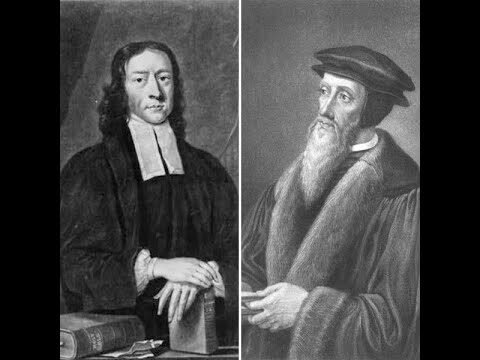
The Methodist and Presbyterian traditions, both rooted in the Protestant Reformation, offer unique approaches to faith and community. Methodism, founded by John Wesley in the 18th century, emphasizes personal holiness and social justice, encouraging believers to engage actively in both spiritual growth and societal change. Its distinctive practices, such as small group meetings and a strong focus on grace, create an inclusive environment that fosters personal relationships with God and one another.
In contrast, the Presbyterian tradition, which traces its origins to John Calvin, emphasizes a structured approach to faith through governance by elected elders and a strong commitment to scripture. This tradition values theological education and the importance of communal decision-making, reflecting a belief in God’s sovereignty over all aspects of life. While both traditions share a commitment to core Christian tenets, their differing emphases on individual experience versus communal governance create diverse expressions of worship and community engagement.
Unpacking Core Doctrinal Differences
In the landscape of religious beliefs, core doctrinal differences serve as both dividing lines and points of engagement among faith communities. These distinctions, whether concerning the nature of divinity, the role of scripture, or the path to salvation, shape the identities and practices of millions. Understanding these fundamental tenets fosters dialogue and promotes respect, enabling individuals to appreciate the rich tapestry of human spirituality. By unpacking these differences, we not only clarify the beliefs that define each tradition but also highlight shared values that can unite us in our quest for meaning and understanding.
Ultimately, the differences between Methodist and Presbyterian denominations highlight the rich diversity within Christianity. While both share a commitment to faith and community, their distinct theological beliefs, worship practices, and governance structures offer unique pathways for spiritual growth. Understanding these differences not only deepens our appreciation for each tradition but also enriches the broader Christian dialogue, inviting all believers to explore their faith in meaningful ways.