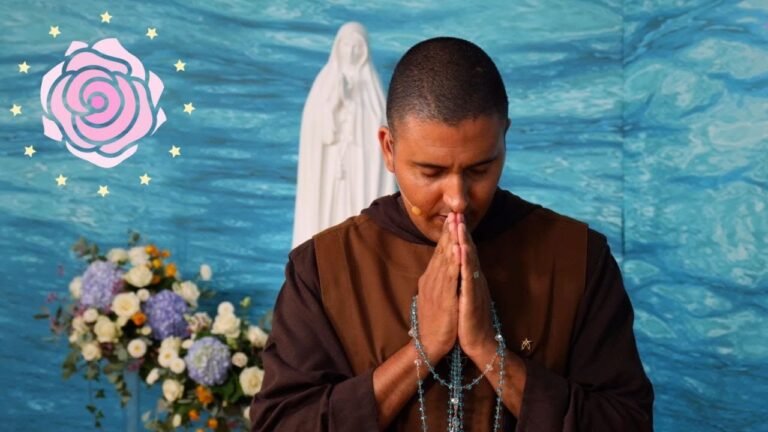
Mideast Christians: Resilience and Identity Amidst Challenges
In the shadows of conflict and change, Mideast Christians stand as a testament to resilience and faith. As communities that have thrived for centuries in the heart of the Middle East, their rich history and vibrant traditions are often overshadowed by the challenges they face today. This article explores the unique experiences of Mideast Christians, highlighting their struggles, contributions, and the enduring spirit that continues to define their identity amidst a rapidly evolving landscape.
What challenges do Mideast Christians currently face?
Mideast Christians face persecution, discrimination, displacement, violence, and restrictions on religious practices, significantly impacting their communities and livelihoods.
What is the term used to refer to Christians in the Middle East?
In the Middle East, Christians are primarily known as Arab Christians, a term that encompasses ethnic Arabs, Arab nationals, and Arabic speakers who adhere to the Christian faith. This group is a significant part of the region’s diverse cultural tapestry, contributing to the rich historical narrative that intertwines Christianity with Arab identity. Their presence can be traced back to the earliest days of the faith, making them an integral part of the religious and cultural landscape.
Arab Christians maintain a unique blend of traditions that reflect both their Christian beliefs and their Arab heritage. They are found in various countries throughout the Middle East, including Lebanon, Syria, Egypt, and Iraq, each community showcasing its own distinct customs and practices. This diversity within the Arab Christian population highlights the adaptability and resilience of their faith in the face of changing political and social landscapes.
Today, Arab Christians continue to play a vital role in the Middle East, advocating for unity and coexistence among different religious and ethnic groups. Their commitment to peace and dialogue is essential for fostering understanding in a region often marked by conflict. As they navigate the challenges of modernity while preserving their rich heritage, Arab Christians illustrate the enduring spirit of a faith that has transcended borders and time.
Are Arab Christians permitted to eat pork?
In many Abrahamic faiths, dietary laws play a significant role in shaping the eating habits of their followers. Among these, the consumption of pork is particularly contentious. In both Judaism and Islam, the pig is classified as an unclean animal, leading to strict prohibitions against its consumption. These traditions emphasize a lifestyle that aligns with their religious teachings, where dietary choices reflect deeper spiritual beliefs.
For Christians, the stance on pork varies widely among different denominations. While mainstream Christianity does not universally prohibit pork, certain groups, such as Seventh-day Adventists, uphold dietary guidelines that resemble kashrut. This highlights a lingering influence of Old Testament laws and a commitment to health-conscious living among these communities. Consequently, Arab Christians may choose to abstain from pork based on cultural or religious convictions.
Ultimately, the decision to consume pork among Arab Christians is influenced by a combination of personal beliefs, family traditions, and denominational teachings. While some may feel comfortable eating pork, others may adhere to the dietary restrictions that resonate with their faith. This diversity in practice underscores the rich tapestry of beliefs within the Christian community, showcasing how cultural heritage and religious identity can shape dietary choices.
Is it acceptable for Christians to say mashallah?
Christians can certainly say “mashallah,” as it serves as a beautiful expression of admiration and reverence for something remarkable. This phrase, commonly used in the Arabic-speaking world, transcends religious boundaries, allowing Arabic-speaking Christians and others to share in the appreciation of life’s wonders. By embracing such expressions, individuals can celebrate a sense of awe and beauty, fostering a deeper connection with their surroundings and the divine.
Upholding Faith in Turbulent Times
In a world filled with uncertainty and rapid change, maintaining faith can often feel like navigating a stormy sea. The challenges we face—be they personal struggles, societal upheaval, or global crises—can shake our beliefs and test our resilience. However, it is precisely during these turbulent times that faith serves as a lighthouse, guiding us toward hope and clarity. By anchoring ourselves in our values and convictions, we can find strength to persevere and navigate through the chaos.
Communities play a vital role in upholding faith when the going gets tough. Together, we can create networks of support that foster encouragement, understanding, and shared purpose. Engaging in dialogue, participating in communal activities, or simply being present for one another can reinforce our collective strength. These connections remind us that we are not alone in our struggles, and they help us cultivate a deeper sense of belonging and resilience in the face of adversity.
Ultimately, upholding faith in turbulent times is not just about clinging to beliefs; it’s about transforming those beliefs into action. Whether through acts of kindness, advocacy for justice, or the pursuit of personal growth, we can channel our faith into meaningful contributions to our communities and the world at large. By embracing our shared humanity and striving for a brighter future, we can emerge from the storms of life not only intact, but stronger and more united than ever.
A Tapestry of Hope and Heritage
In a world often overshadowed by uncertainty, the vibrant threads of culture and tradition weave a tapestry of hope that binds communities together. Each strand tells a story, reflecting the resilience and strength found within diverse heritages. As generations pass, these stories illuminate the path forward, reminding us of our shared humanity and the beauty that emerges from our differences.
Through festivals, art, and storytelling, communities celebrate their unique identities while fostering connections that transcend borders. These expressions of culture serve not only as a reminder of where we come from but also as a beacon of hope for future generations. They inspire individuals to embrace their roots and cultivate a sense of belonging, reinforcing the idea that our histories are intertwined, and together, we can create a brighter tomorrow.
In this vibrant mosaic, the spirit of collaboration flourishes, encouraging dialogue and understanding among varied backgrounds. As we honor our heritage, we also pave the way for innovation and progress, nurturing a collective vision of unity and compassion. The tapestry of hope and heritage reminds us that, despite our challenges, there is strength in diversity, and together, we can weave a future rich in promise and possibility.
Navigating Adversity with Strength
Life often presents us with unexpected challenges that can feel overwhelming, yet it is in these moments of adversity that our true strength emerges. Embracing difficulties allows us to cultivate resilience, teaching us valuable lessons about perseverance and adaptability. Each obstacle becomes an opportunity for growth, pushing us to discover inner resources we never knew we had. By facing our struggles head-on, we not only develop a deeper understanding of ourselves but also build a foundation of confidence that empowers us to tackle future challenges.
As we navigate these turbulent waters, it is essential to maintain a supportive network of friends and family who can uplift us during tough times. Sharing our experiences fosters connection and reminds us that we are not alone in our journey. By fostering a mindset of gratitude and positivity, we can transform our perspective on adversity, viewing it as a stepping stone rather than a setback. Ultimately, it is through these trials that we learn to harness our strength, emerging more resilient and better equipped to embrace whatever life throws our way.
Voices of Courage in a Changing Landscape
In a world marked by rapid transformation, the stories of those who dare to speak out become beacons of hope and resilience. These voices of courage emerge from diverse backgrounds, uniting individuals who challenge the status quo and advocate for change. They remind us that even in the face of uncertainty, the power of determination can ignite movements, inspire communities, and reshape futures. Each story weaves a tapestry of struggle and triumph, illustrating that courage is not the absence of fear, but the resolve to act despite it.
As societal landscapes shift, the importance of these courageous voices grows ever more critical. They provide clarity amid chaos, offering insights that provoke thought and spur action. Whether through art, activism, or innovative solutions, these individuals evoke a sense of urgency that resonates across generations. By amplifying their narratives, we foster a culture of empathy and empowerment, encouraging others to find their own voices. Together, we can navigate the complexities of change, transforming challenges into opportunities for collective growth and understanding.
The resilience and vibrant culture of Mideast Christians continue to shape the region’s rich tapestry, offering hope and unity amid challenges. Their enduring faith and commitment to community not only preserve ancient traditions but also inspire future generations. As their voices grow stronger, the importance of supporting and celebrating this unique heritage becomes increasingly vital in fostering peace and understanding in a complex world.