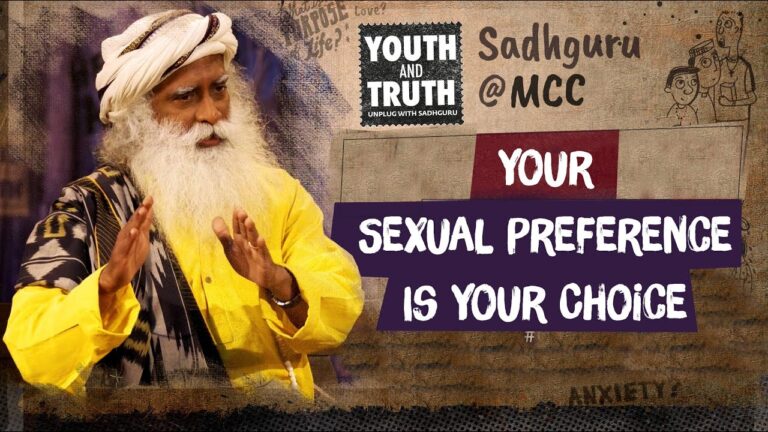
Monks and the Exploration of Gender Identity
In recent years, the intersection of spirituality and gender identity has sparked intriguing discussions, particularly within monastic communities. Monks, traditionally seen as bastions of rigid gender roles, are increasingly engaging in conversations about gender fluidity and identity. This shift not only challenges longstanding perceptions of masculinity and femininity but also invites a deeper exploration of how monastic practices can adapt to embrace diverse expressions of self. As these contemplative practitioners navigate their own identities, they illuminate the profound relationship between faith, community, and the evolving understanding of what it means to be human in today’s world.
How do monks view gender identity today?
Monks today generally promote acceptance and compassion, recognizing diverse gender identities as part of the human experience, although views may vary by tradition and culture.
How does Buddhism view gender roles?
Buddhism offers a progressive perspective on gender roles, highlighting the essential contributions of women in the family and society. The teachings of the Buddha recognize the importance of women as wives and mothers, underscoring their vital role in fostering a harmonious home. This emphasis on family life illustrates the belief that women possess unique qualities that significantly enhance the overall well-being of their loved ones.
In a Buddhist context, the notion of equality extends beyond mere acknowledgment; it calls for shared responsibilities between husbands and wives. Both partners are encouraged to contribute equally to family life, ensuring that duties are carried out with dedication and respect. This collaborative approach not only strengthens familial bonds but also promotes a balanced and supportive environment for children to thrive.
Ultimately, Buddhism advocates for a partnership model that transcends traditional gender roles. By promoting equality and mutual respect within the family unit, these teachings encourage individuals to embrace their unique strengths, fostering a community where both men and women can flourish together. This vision of shared responsibility lays the groundwork for a more equitable society, reflecting the true spirit of compassion and understanding central to Buddhist philosophy.
What are the four genders recognized in Buddhism?
In the Vinaya Pali Canon, Buddhism recognizes four distinct gender types: male, female, ubhatobyañjanaka, and pandaka. The term ubhatobyañjanaka identifies individuals who embody characteristics of both male and female, highlighting the tradition’s acknowledgment of intersex identities. Meanwhile, pandaka typically refers to those who may not conform to conventional gender roles or norms. This nuanced understanding of gender reflects Buddhism’s broader teachings on the fluidity of identity and the importance of compassion and acceptance in the community.
Do monks have a specific gender?
The term “monk” specifically refers to a male member of a religious community, much like how “father” denotes a male parent. This gendered language can sometimes lead to confusion, especially in discussions about monastic traditions where both men and women play significant roles. In many religious contexts, the distinction is important for understanding the structure and hierarchy within monastic life.
In contrast, female monastics are referred to as “nuns,” paralleling the way “mother” is used for female parents. This terminology reflects the different paths and responsibilities that men and women undertake within their respective religious communities. Both monks and nuns dedicate their lives to spiritual practice, but they do so under titles that acknowledge their gender.
It’s essential to recognize the diversity of monastic life across various cultures and religions. While the terms “monk” and “nun” are widely used, practices and roles can differ significantly. Understanding these distinctions helps to appreciate the rich tapestry of spiritual life and the unique contributions of both male and female monastics.
Spiritual Journeys: Unraveling Gender Beyond Tradition
In a world where spiritual paths often intersect with traditional gender roles, many are embarking on journeys that transcend conventional boundaries. These seekers are discovering that spirituality can be a deeply personal experience, unconfined by societal expectations. By exploring diverse practices and philosophies, individuals are reshaping their understanding of identity and connection to the divine, fostering a sense of inclusivity that honors both the self and the collective.
As these spiritual journeys unfold, they highlight the transformative power of embracing fluidity in gender expression. Participants are finding strength in vulnerability, sharing stories that challenge age-old norms while celebrating the rich tapestry of human experience. This movement not only empowers individuals to redefine their spiritual practices but also inspires communities to cultivate an environment where authenticity thrives, allowing everyone to explore their unique paths without fear or limitation.
Sacred Spaces: Monastic Insights on Gender Fluidity
In the tranquil realms of monastic life, sacred spaces often serve as crucibles for exploring and redefining gender fluidity. Within these contemplative environments, the rigid binaries of gender dissolve, allowing individuals to engage in authentic self-expression and spiritual growth. Monks and nuns alike find solace in the freedom to transcend societal norms, fostering an inclusive community that celebrates diversity. This harmonious coexistence not only deepens personal insight but also enriches the collective experience, inviting a broader understanding of identity that resonates beyond the cloistered walls. As these ancient practices evolve, they illuminate a path toward acceptance and understanding, reminding us that the divine encompasses all forms of being.
Beyond the Robes: Gender Identity in Monastic Life
In the serene confines of monastic life, where silence often speaks louder than words, the exploration of gender identity unfolds in unexpected ways. Monks and nuns, traditionally seen as embodiments of their respective genders, navigate a landscape shaped by spiritual devotion and personal truth. As they don their robes, they not only adopt a communal identity but also confront the complexities of their own gender experiences. This duality invites a deeper understanding of how spiritual practices can transcend societal norms, allowing for a rich tapestry of identities to emerge, revealing that the quest for enlightenment is as diverse as the individuals who seek it. Through this lens, monastic life becomes a profound journey of self-discovery, challenging the rigid boundaries of gender and fostering a sense of belonging that is both personal and universal.
Faith and Identity: Monks Challenging Norms
In a world where conformity often reigns supreme, a group of monks is redefining the boundaries of faith and identity. By embracing modernity while remaining rooted in their spiritual traditions, these monks challenge societal norms and inspire others to explore the intersection of belief and self-expression. Their journey reveals that faith is not a rigid framework, but a dynamic tapestry woven from personal experiences and collective wisdom. As they navigate the complexities of contemporary life, these monks invite us all to question our own identities and the roles we play within our communities, fostering a deeper understanding of what it means to truly live with purpose and authenticity.
Harmony in Diversity: Gender Perspectives in Monasticism
In the serene world of monasticism, the interplay of gender perspectives enriches spiritual life, weaving a tapestry of diverse experiences and insights. Monks and nuns, each embodying unique qualities, contribute to a holistic understanding of faith and practice, illuminating how their distinct journeys enhance communal harmony. This diversity fosters an inclusive environment where dialogue flourishes, allowing for a deeper exploration of spirituality that transcends traditional boundaries. As these varied voices come together, they not only celebrate their differences but also cultivate a shared commitment to compassion, wisdom, and growth, ultimately reflecting the profound unity that lies at the heart of monastic life.
The evolving perspectives of monks on gender identity reflect a profound shift in understanding and compassion within spiritual communities. As these monks embrace inclusivity and challenge traditional norms, they pave the way for a more nuanced dialogue that honors individual experiences. This transformation not only enriches their own practices but also inspires broader societal change, encouraging acceptance and respect for all identities. Through their journey, monks illuminate the path toward a more harmonious coexistence, reminding us that spirituality transcends gender boundaries.