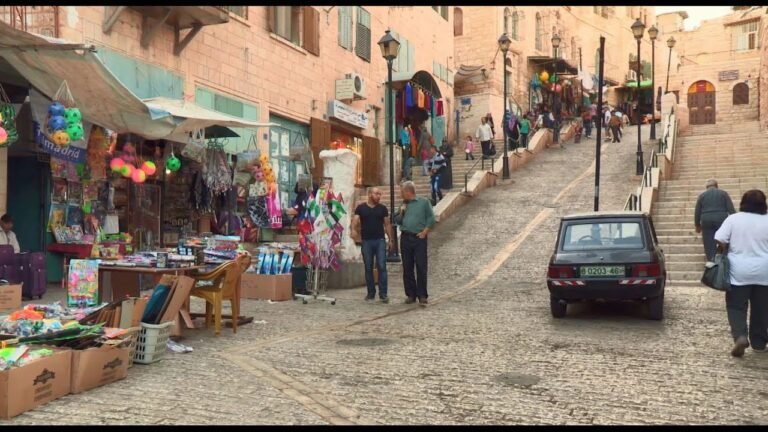
Discovering the Heritage of Bethlehem’s People
Nestled in the heart of the Holy Land, Bethlehem is more than just a historical city; it is a vibrant tapestry of culture and community woven together by the people who call it home. Known as the birthplace of Jesus, this ancient city has been shaped by centuries of tradition, resilience, and hospitality. The people from Bethlehem embody a rich heritage, reflecting a unique blend of Christian and Muslim influences, and their stories resonate with hope and perseverance. As we explore the lives and experiences of Bethlehem’s residents, we uncover a narrative that transcends time, inviting us to appreciate the beauty and complexity of a place that remains a beacon of faith and unity.
What unique traditions do people from Bethlehem have?
People from Bethlehem celebrate Christmas with unique traditions, including the Midnight Mass at the Church of the Nativity and the traditional Palestinian feast of Maqluba.
What is the ethnicity of the people from Bethlehem?
Bethlehem, a city steeped in history and cultural significance, has undergone notable demographic changes over the decades. Once predominantly inhabited by Arab Christians, the population now consists mainly of Arab Muslims, reflecting broader shifts in the region. Despite this transformation, a resilient community of Palestinian Christians remains, although their numbers have decreased dramatically from approximately 86 percent in 1950 to around 10 percent in 2022. This evolution highlights the complex tapestry of identity and faith that characterizes Bethlehem today.
What nationality does Bethlehem belong to?
Bethlehem, a city rich in history and culture, is situated in the West Bank, an area recognized as part of the Palestinian Territories. This vibrant city is renowned for its significant religious heritage, particularly as the birthplace of Jesus Christ, making it a focal point for millions of pilgrims and tourists each year. Its historical and cultural contributions are celebrated, reflecting the deep roots of its community.
The Palestinian Territories, including Bethlehem, are currently under occupation by Israel, which adds complexity to the region’s political landscape. The status of these territories remains a contentious issue on the international stage, with ongoing debates regarding sovereignty, governance, and the rights of the local population. This situation has a profound impact on the daily lives of Bethlehem’s residents, shaping their identities and aspirations.
Bethlehem is part of the Bethlehem Governorate, an administrative division that encompasses the city and its surrounding areas. This governorate plays a decisivo role in local governance and the provision of services to its inhabitants. Despite the challenges posed by the political situation, Bethlehem’s rich cultural tapestry and resilient spirit continue to shine, drawing attention and fostering dialogue on the broader issues affecting the region.
Is Bethlehem located in Israel or Palestine?
Bethlehem, a city rich in history and cultural significance, is located in the West Bank and has a complicated political status. Following the Six-Day War in 1967, it became part of the Israeli-occupied territories, but in 1995, control was transferred to the Palestinian Authority as part of efforts toward a two-state solution. Today, Bethlehem serves as an agricultural market and trade hub, maintaining close ties to the nearby city of Jerusalem, making it a vibrant center of commerce and heritage in the region.
Unveiling Stories from the Heart of Bethlehem
In the heart of Bethlehem, a city steeped in history and spirituality, stories of resilience and hope emerge from every corner. Families gather in bustling markets, sharing laughter and traditions that have been passed down through generations. The vibrant colors of handmade crafts and the rich aroma of local cuisine create a tapestry of experiences that reflect the unyielding spirit of its people. Each encounter reveals the warmth and hospitality that define this remarkable community.
As the sun sets over the ancient landscape, the streets come alive with the sounds of music and celebration. Local artists and musicians breathe life into the night, weaving melodies that echo the joys and struggles of everyday life. Through their art, they tell tales of love, faith, and perseverance, inviting visitors to witness the beauty that thrives even in challenging times. These performances serve as a reminder that despite adversity, the essence of Bethlehem remains unbroken.
The stories of Bethlehem are not just relics of the past; they are living narratives that inspire hope for the future. As tourists and locals alike share in these experiences, a sense of unity blossoms, transcending cultural and geographical boundaries. This city, with its rich heritage and vibrant present, continues to draw people together, encouraging all who visit to leave with a piece of its heart. In Bethlehem, every story is a thread in the intricate fabric of humanity, inviting us to connect and reflect on our shared journey.
A Journey Through Time and Tradition
In the heart of every culture lies a tapestry woven with threads of history, tradition, and innovation. This journey through time reveals how generations have shaped their identities through rituals, stories, and art. From ancient ceremonies that honor the earth to modern festivals that celebrate community, each practice serves as a bridge connecting the past with the present. As we explore these traditions, we uncover not only the values that define them but also the universal themes that resonate across different societies.
As we delve deeper into this exploration, the significance of storytelling emerges as a powerful tool for preserving heritage. Oral histories passed down through generations breathe life into the experiences of ancestors, allowing us to learn from their triumphs and tribulations. Meanwhile, the craftsmanship of artisans—who skillfully create objects that embody their cultural narratives—ensures that these stories endure. These elements work in harmony to create a rich mosaic of human experience, reminding us of the importance of keeping our traditions alive.
Yet, this journey is not merely a retrospective glance but also a celebration of evolution. Cultures adapt and grow, merging old customs with new influences to create vibrant and dynamic expressions. Festivals that once marked the changing seasons now embrace contemporary themes, inviting participation from diverse communities. By honoring the past while embracing the future, we forge connections that transcend time, enriching our shared human experience and ensuring that the legacies we inherit continue to inspire generations to come.
Celebrating the Rich Tapestry of Local Culture
In the heart of every community lies a vibrant tapestry woven from the threads of tradition, art, and shared experiences. Local festivals burst with color and energy, showcasing not only the unique customs and culinary delights but also the artistic expressions that define a place. From lively music performances to intricate craft displays, these gatherings offer a window into the soul of the community, inviting both residents and visitors to engage in the rich heritage that has shaped their identity.
As we celebrate this cultural mosaic, it becomes evident that every story told and every dance performed contributes to a larger narrative of unity and resilience. Local artisans, musicians, and storytellers play pivotal roles in preserving the past while inspiring future generations. By embracing and promoting these cultural expressions, we foster a sense of belonging and pride, reminding us all that our diverse backgrounds and shared experiences create a powerful foundation for community growth and connection.
The rich tapestry of history, culture, and community woven by the people from Bethlehem continues to inspire and resonate across generations. Their resilience and commitment to preserving their heritage serve as a powerful reminder of the enduring spirit that defines this remarkable city. As Bethlehem evolves, the stories and traditions of its people remain a vital part of its identity, inviting the world to appreciate the beauty and depth of their journey.