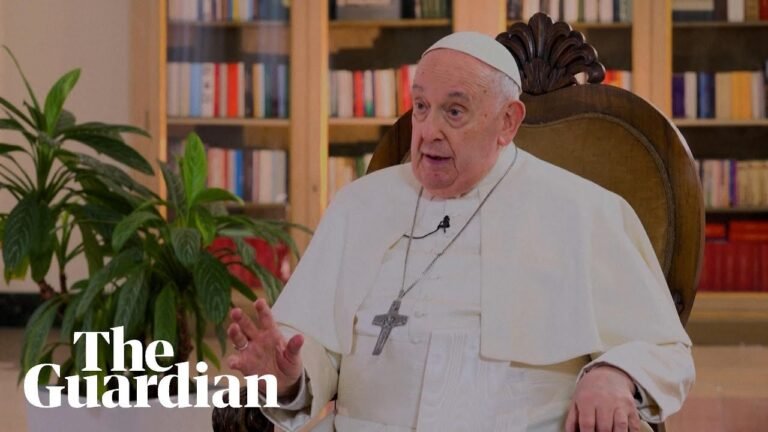
Pope Francis and the Russian Dilemma
Pope Francis has emerged as a significant voice in the dialogue surrounding Russia’s geopolitical actions and its impact on global peace. His calls for compassion and understanding resonate in an increasingly polarized world, urging leaders to prioritize dialogue over conflict. As tensions mount, the Pope’s quest for reconciliation highlights the moral imperative for unity and the need for a compassionate approach to one of the most pressing issues of our time.
What is Pope Francis’s stance on Russia?
Pope Francis has expressed concern over Russia’s actions, advocating for peace and dialogue while calling for an end to conflict and violence.
Will Pope Francis perform a consecration of Russia?
On March 25, 2022, Pope Francis took a significant step in response to the ongoing conflict involving Ukraine by consecrating both Russia and Ukraine to the Immaculate Heart of Mary. This solemn ceremony, held at Saint Peter’s Basilica in Rome, was prompted by a formal request from the Episcopal Conference of Ukrainian Catholic Bishops. Through this act, the Pope aimed to invoke peace and healing for the affected nations, highlighting the Vatican’s commitment to addressing the spiritual and humanitarian crises of the 21st century.
What is the meaning of consecrate Russia?
The concept of consecrating Russia revolves around a profound spiritual transformation, as highlighted in the fourth message from Our Lady in July 1917. This message emphasizes the importance of conversion, not just for Russia but for individuals everywhere. It serves as a call to redirect our hearts and minds towards Christ, fostering a deeper connection with faith and spirituality.
Consecration implies a deliberate act of dedicating oneself or a nation to divine purpose. In this context, it signifies an invitation for the people of Russia—and indeed all believers—to embrace the teachings of Christ and live out His values in their daily lives. This call for conversion aims to heal and unify, creating a stronger community grounded in love and compassion.
Ultimately, the act of consecrating Russia can be seen as a broader mission to inspire renewal and hope. As individuals respond to this call, they embark on a journey of faith that not only transforms their own lives but also reverberates throughout society. By placing Christ at the center, we open the door to a more harmonious world, one where the principles of kindness and understanding prevail.
Did Pope John Paul II visit Russia?
Pope John Paul II’s connection to Russia transcended physical boundaries, as he engaged in a teleconference that sparked significant debate. Although he never visited the country in person, this virtual meeting allowed him to reach out to millions of believers, emphasizing his commitment to fostering dialogue and unity within the Christian community. The event was met with mixed reactions, highlighting the complexities of interfaith relations.
Critics, including the Russian Orthodox patriarch, labeled the teleconference an “invasion,” reflecting the deep-rooted tensions between the Catholic Church and the Russian Orthodox faith. Despite the backlash, Pope John Paul II’s initiative represented a bold step towards reconciliation and understanding, showcasing his dedication to bridging divides and promoting peace. His enduring influence continues to resonate, inspiring hope for future collaboration among diverse religious traditions.
Navigating Faith and Politics in a Divided World
In an era where faith and politics often clash, finding common ground can feel like an uphill battle. Many individuals grapple with the challenge of maintaining their religious beliefs while engaging in the political discourse that shapes their communities. The key lies in fostering open dialogue, where differing perspectives can coexist without hostility. By embracing empathy and understanding, we can begin to bridge the divide that has polarized our society.
The intersection of faith and politics presents an opportunity for transformative change. When individuals of various beliefs unite around shared values, they can promote social justice and advocate for the common good. Faith communities have historically played a vital role in mobilizing grassroots movements, highlighting the importance of compassion and moral responsibility in political decision-making. By prioritizing collaboration over division, we can harness the collective power of diverse faiths to address pressing societal issues.
Navigating this complex landscape requires courage and a commitment to dialogue. As we engage with one another, it is essential to listen actively and seek to understand the experiences that shape our differing viewpoints. By cultivating a culture of respect and inclusivity, we can create a space where faith informs political action in a constructive manner. Ultimately, it is through unity in diversity that we can work towards a more harmonious and equitable world, where both faith and politics serve to uplift rather than divide.
The Vatican’s Stance Amidst Geopolitical Tensions
In an increasingly polarized world, the Vatican has maintained a delicate balance in its diplomatic relations, advocating for peace and dialogue amidst rising geopolitical tensions. By emphasizing the importance of diplomacy over conflict, the Holy See positions itself as a moral compass, urging nations to prioritize humanitarian concerns and collaborative efforts. This commitment is evident in its outreach to both Western and Eastern powers, aiming to foster understanding and cooperation. As global crises unfold, the Vatican’s call for unity and compassion serves as a reminder that amidst discord, there remains a path toward reconciliation and shared humanity.
A Papal Perspective on Conflict and Reconciliation
In a world often marred by division and strife, the teachings of the Papacy offer a beacon of hope and a pathway to reconciliation. Emphasizing the intrinsic value of every human life, the Church advocates for dialogue over discord, urging individuals and nations to seek common ground rather than exacerbate conflicts. Through heartfelt appeals for understanding and compassion, the Papal perspective encourages us to recognize our shared humanity, fostering an environment where forgiveness can flourish. This call to embrace peace not only transforms relationships but also lays the foundation for a more harmonious global community, reminding us that true strength lies in our ability to unite amid our differences.
Bridging Divides: The Holy See’s Role in Russian Relations
The Holy See has emerged as a pivotal diplomatic player in fostering dialogue and understanding between Russia and the international community. Through its unique position as a spiritual authority, the Vatican facilitates conversations that transcend political boundaries, emphasizing peace and reconciliation. By engaging with Russian leaders and addressing pressing global issues, the Holy See not only advocates for humanitarian efforts but also seeks to bridge cultural divides, encouraging mutual respect and cooperation. This role is increasingly vital in a world marked by division, as the Vatican’s diplomatic initiatives promote a more harmonious global landscape, illustrating the power of faith as a unifying force.
Pope Francis’s approach to Russia reflects a delicate balance of diplomacy, compassion, and a desire for peace in a time of conflict. His calls for dialogue and understanding emphasize the importance of unity over division, urging the global community to seek a path toward reconciliation. As he navigates the complexities of geopolitics, his message resonates with those yearning for hope and healing, reminding us that faith and compassion can illuminate even the darkest of times.