
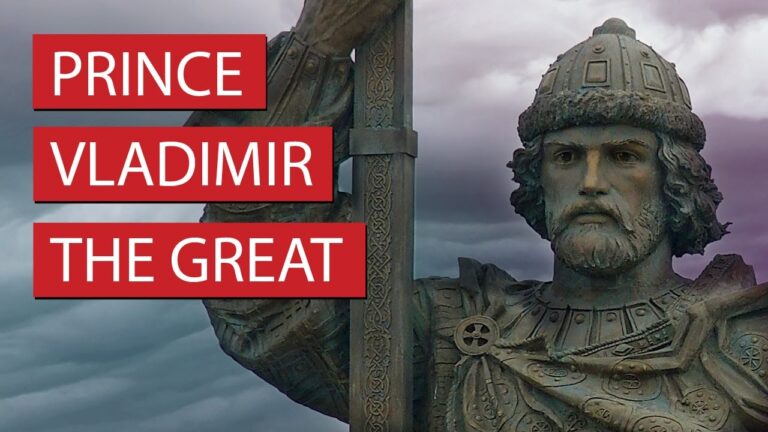
Saint Vladimir the Great: Architect of Kievan Rus’ Christianity
Saint Vladimir the Great, a pivotal figure in Eastern European history, is celebrated for his role in the Christianization of Kievan Rus’ during the late 10th century. His reign marked a transformative era, as he not only united various tribes under one banner but also embraced Christianity, which would shape the cultural and political landscape of the region for centuries to come. This article delves into the life and legacy of Saint Vladimir, exploring how his decisions forged a path toward a unified and religiously cohesive society that continues to influence the region today.
What were Saint Vladimir’s key contributions to Christianity?
Saint Vladimir the Great expanded Christianity in Kievan Rus, established it as the state religion, and promoted education and culture through the adoption of Byzantine practices.
What are the major achievements of Saint Vladimir the Great in the Christianization of Kievan Rus?
Saint Vladimir the Great, also known as Vladimir I of Kiev, played a pivotal role in the Christianization of Kievan Rus during the late 10th century. His most significant achievement was the adoption of Christianity as the state religion in 988, which not only unified the diverse tribes under his rule but also established a cultural and spiritual foundation for future generations. By choosing Byzantine Christianity, Vladimir fostered strong ties with the Byzantine Empire, enhancing trade and diplomatic relations while also introducing a rich artistic and architectural heritage that would flourish in the region.
Furthermore, Vladimir’s conversion and subsequent evangelization efforts transformed Kievan Rus into a center of Christian learning and culture. He established churches, monasteries, and schools, encouraging literacy and the translation of religious texts into the Slavic languages. This cultural renaissance laid the groundwork for the development of a distinct Slavic identity, deeply rooted in Orthodox Christianity, which would shape the region’s history for centuries to come. Through these actions, Saint Vladimir not only solidified his legacy as a ruler but also as a key figure in the spiritual and cultural evolution of Eastern Europe.
How is Saint Vladimir the Great commemorated in the Orthodox Church?
Saint Vladimir the Great is commemorated in the Orthodox Church with great reverence, particularly on July 15, when his feast day is celebrated. Recognized for his pivotal role in the Christianization of Kievan Rus, he is honored for his efforts in promoting the faith and establishing it as a cornerstone of the region’s culture. The day is marked by special liturgies, prayers, and hymns that reflect on his contributions to the Church and the spiritual legacy he left behind.
In addition to his feast day, Saint Vladimir’s legacy is preserved through various icons, religious texts, and church ceremonies that recount his life and achievements. His role as a unifier of the Slavic peoples under Christianity is emphasized, inspiring not only devotion but also a sense of national identity among Orthodox Christians. The reverence for Saint Vladimir underscores the enduring connection between faith, culture, and history within the Orthodox tradition.
Pioneering Faith: The Legacy of Saint Vladimir
Saint Vladimir’s legacy is a testament to the transformative power of faith and leadership. As the Grand Prince of Kiev, he played a pivotal role in the Christianization of Kievan Rus, uniting diverse tribes under the banner of a shared belief. His vision not only shaped the spiritual landscape of the region but also laid the foundations for a rich cultural heritage that continues to thrive today. By embracing Christianity, Saint Vladimir fostered an era of enlightenment, encouraging literacy, art, and diplomacy, which propelled his realm into a new age of prosperity. His pioneering faith resonates through centuries, inspiring generations to seek unity and purpose in their beliefs.
From Paganism to Christianity: A Nation Transformed
The transformation of a nation from paganism to Christianity marks a profound shift in cultural identity and societal values. Initially steeped in ancient traditions, rituals, and beliefs, communities celebrated the cycles of nature and worshipped a pantheon of deities. These practices fostered a deep connection to the land and the seasons, shaping the way people lived and interacted with one another. The rich tapestry of pagan customs laid the groundwork for a gradual evolution as new ideas began to permeate society.
As Christianity spread, it brought with it a new moral framework and vision for community life. Missionaries traversed the countryside, sharing the teachings of Christ and emphasizing love, compassion, and forgiveness. This message resonated with many, leading to the gradual conversion of individuals and entire communities. The syncretism of pagan traditions with Christian beliefs often resulted in a unique blend of practices that enriched the spiritual landscape, allowing for a smoother transition and acceptance of the new faith.
Over time, the influence of Christianity reshaped not only religious practices but also art, literature, and governance. Sacred texts became central to education, and the Church emerged as a powerful institution guiding moral and ethical standards. The nation that once thrived on pagan traditions now found its identity intertwined with Christian values, leading to a legacy that would define its culture for centuries to come. This transformation was not merely a change in beliefs but a redefinition of community, purpose, and the very essence of what it meant to belong.
The Spiritual Blueprint of Kievan Rus’
In the heart of Kievan Rus’, a vibrant tapestry of spirituality emerged, weaving together Slavic traditions with Byzantine influences. This unique confluence fostered a rich cultural identity that celebrated the interconnectedness of faith and daily life. Iconography flourished, with ornate frescoes and intricate mosaics adorning cathedrals, each telling stories of divine grace and earthly struggles. The adoption of Christianity not only unified the region under a common belief system but also laid the groundwork for the flourishing of literature, art, and law. As the spiritual blueprint of Kievan Rus’ took shape, it would resonate through the ages, influencing generations and shaping the cultural landscape of Eastern Europe.
Unifying a Realm: Saint Vladimir’s Religious Vision
Saint Vladimir’s religious vision marked a pivotal moment in the history of Kievan Rus, as he sought to unify a diverse realm under a single faith. Embracing Christianity in 988, he recognized the potential of the religion to foster unity among his people, who were fragmented by various pagan beliefs. This strategic decision not only strengthened his political power but also laid the foundation for a cohesive cultural identity that transcended tribal divisions.
Vladimir understood that the adoption of Christianity would provide a moral framework and a sense of community that his subjects desperately needed. He actively promoted the faith by inviting scholars and clergy to educate the populace, establishing churches, and integrating Christian festivals into the social calendar. This commitment to religious education and infrastructure helped cultivate a shared spiritual heritage, transforming the landscape of Kievan Rus into a bastion of faith and learning.
The impact of Saint Vladimir’s vision extended far beyond his reign, embedding Christianity into the very fabric of Russian culture. His efforts forged a legacy that would resonate through the centuries, influencing art, literature, and governance. As the nation gradually embraced this new identity, the principles of love, charity, and communal responsibility became integral to the Russian ethos, uniting the realm in a profound and lasting way.
Saint Vladimir the Great stands as a pivotal figure in the history of Eastern Europe, symbolizing the profound impact of faith and leadership. His legacy transcends time, as he not only unified Kievan Rus under Christianity but also laid the foundations for a rich cultural and spiritual heritage that continues to resonate today. By embracing and promoting the values of tolerance and education, Vladimir’s influence remains a guiding light, inspiring generations to seek unity and wisdom in an ever-changing world.


