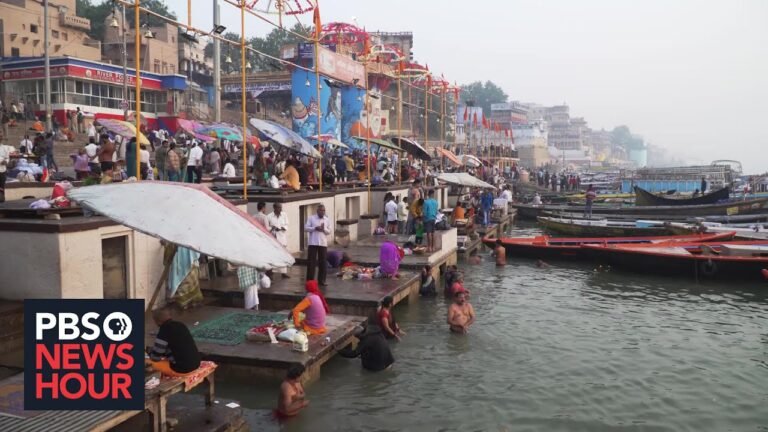
The Ganga River: Lifeline of India
The Ganga River in India, revered as a sacred lifeline, flows through the heart of the subcontinent, weaving together the rich tapestry of culture, spirituality, and ecology. Stretching over 2,500 kilometers, this majestic river not only sustains millions of lives but also holds a deep spiritual significance for countless devotees who flock to its banks for purification and prayer. As it meanders through bustling cities and tranquil villages, the Ganga embodies the resilience of nature and the complex relationship between humanity and its environment. Discover the wonders and challenges facing this iconic river as it continues to inspire and nurture generations.
What are the cultural significance of the Ganga River?
The Ganga River in India is a sacred symbol of purity, spirituality, and life, playing a vital role in Hindu rituals, festivals, and cultural identity.
What makes the Ganga river so renowned?
The Ganges River holds a unique place in the hearts and minds of millions, celebrated not only for its stunning beauty but also for its profound spiritual significance. Revered as the goddess Ganga Ma, it is seen as a source of purity and healing, with devotees believing that its sacred waters can wash away sins and offer protection. This deep-rooted reverence makes the Ganges an integral part of various religious rituals, drawing pilgrims from far and wide to partake in its life-giving essence. Its rich cultural heritage and spiritual importance ensure that the Ganges remains a vital lifeline, embodying both faith and devotion.
In which part of India is the Ganga river located?
The Ganges River, one of the most significant waterways in India, originates in the western Himalayas at the sacred Gomukh Glacier. This revered river meanders through the heart of northern India, traversing diverse landscapes and connecting numerous states, including Uttarakhand, Uttar Pradesh, Bihar, and West Bengal. Its journey is not just a geographical marvel but also a vital lifeline for millions who depend on its waters for agriculture, drinking, and spiritual sustenance.
As the Ganges flows downstream, it gathers tributaries and nourishes vast plains, forming a rich ecosystem that supports a wide array of flora and fauna. The river’s banks are dotted with ancient temples and vibrant cities, making it a cultural and religious epicenter for Hindus, who consider it a goddess. Pilgrimages to its sacred waters underscore its significance in Indian spirituality, as devotees seek purification and blessings.
Finally, the Ganges concludes its journey by emptying into the Bay of Bengal, where it forms a vast delta that is one of the largest in the world. This estuarine region is not only ecologically important, supporting diverse wildlife, but also economically vital, providing livelihoods for countless communities. The Ganges, with its majestic flow and profound cultural heritage, remains an enduring symbol of life and spirituality in India.
What makes the Ganga a Holy river?
The Ganges River, revered as the Holy River, holds a central place in Hindu spirituality and culture. It is seen as the embodiment of the Goddess Ganga, symbolizing purity and divinity. For millions of devotees, the river is not just a waterway but a sacred entity that connects them to their faith and heritage.
Bathing in the Ganges is believed to wash away sins and grant spiritual liberation, making it a pilgrimage essential for many. Special occasions, such as festivals and religious rituals, draw countless visitors to its banks, where the promise of forgiveness and salvation beckons. In this way, the Ganges serves as a vital source of spiritual renewal and communal identity for Hindus around the world.
Flowing Through Time: The Cultural Significance of the Ganga
The Ganga, often revered as a sacred river, weaves through the cultural tapestry of India, embodying the essence of life, spirituality, and tradition. Its banks cradle ancient cities, where rituals and festivals come alive, drawing millions who seek purification and solace. Beyond its spiritual significance, the Ganga serves as a lifeline for millions, nourishing agriculture and supporting diverse ecosystems. As it courses through time, this iconic river not only reflects the resilience of communities but also highlights the pressing need for environmental stewardship, reminding us that our connection to nature is both a privilege and a responsibility.
Sacred Waters: The Spiritual Journey of the Ganga
The Ganga River, revered as a divine entity, flows through the heart of India, embodying a spiritual journey that transcends mere geography. From the snow-capped peaks of the Himalayas to the fertile plains of the Gangetic delta, its waters are believed to purify the soul, offering solace and renewal to millions who seek its embrace. Pilgrims flock to its banks to partake in age-old rituals, immersing themselves in its sacred currents, while the vibrant festivals celebrated along its shores echo with devotion and hope. As the sun rises over its tranquil surface, the Ganga stands not only as a lifeline for the land but also as a timeless symbol of faith, resilience, and the interconnectedness of life itself.
Environmental Challenges: Protecting the Ganga’s Future
The Ganga River, a lifeline for millions, is facing unprecedented environmental challenges that threaten its delicate ecosystem. Rapid urbanization, industrial pollution, and unchecked waste disposal have resulted in deteriorating water quality, endangering aquatic life and the health of communities that depend on this sacred river. Efforts to combat these issues are critical, as the Ganga not only supports biodiversity but also sustains agriculture, tourism, and cultural practices deeply rooted in the lives of the people.
To protect the future of the Ganga, a multifaceted approach is essential. This includes stricter regulations on waste management, the promotion of sustainable agricultural practices, and increased public awareness about the importance of preserving this vital resource. Collaborative efforts between government agencies, local communities, and environmental organizations can pave the way for innovative solutions, ensuring that the Ganga remains a thriving ecosystem and a source of life for generations to come.
Economic Impact: The Ganga as a Resource for Millions
The Ganga River, one of the most revered rivers in India, serves as a lifeline for millions, underpinning the economic fabric of the region. Its waters support agriculture, enabling farmers to cultivate diverse crops that feed local communities and contribute to national food security. The river also fosters vibrant fishing and tourism industries, creating jobs and stimulating local economies. Additionally, the Ganga’s significance extends to traditional crafts and pilgrimage, drawing visitors from around the world and generating revenue through hospitality and related services. As such, the Ganga is not merely a waterway; it is an invaluable resource that sustains livelihoods and fuels economic growth for countless individuals and families.
The Ganga River stands as a symbol of life and spirituality in India, weaving through the cultural tapestry of the nation. Its waters not only nourish the land but also sustain millions of lives, embodying a profound connection between nature and humanity. As efforts to preserve this sacred river intensify, the collective responsibility to safeguard its future becomes ever more vital, ensuring that the Ganga continues to flow as a lifeline for generations to come.