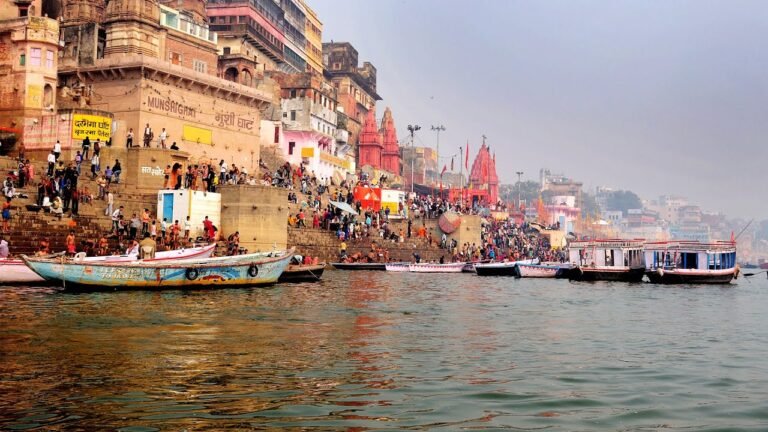
The Ganges River: Lifeline and Legacy
The Ganges River, revered as a lifeline for millions, flows through the heart of India, embodying both spiritual significance and ecological importance. Often referred to as the Ganga, this sacred river is not only a source of sustenance for countless communities but also a symbol of cultural heritage, drawing pilgrims and tourists alike to its banks. As it traverses diverse landscapes, the Ganges faces modern challenges that threaten its purity and vitality, making it a focal point for discussions on conservation and sustainable development. Understanding the Ganges is essential to appreciating its role in shaping both the environment and the lives of those who depend on it.
What makes the Ganges River sacred to Hindus?
The Ganges River is sacred to Hindus as it symbolizes purity, spiritual cleansing, and is believed to grant salvation to those who bathe in its waters.
What makes the Ganges River unique?
The Ganges River, revered as Mother Ganga in Hinduism, is not only a sacred waterway but also a lifeline for millions, providing essential resources for fishing, irrigation, and bathing. As it flows towards the Bay of Bengal, it creates the largest river delta in the world, showcasing the river’s significance both ecologically and culturally. Despite its profound importance to Asia, the Ganges faces numerous threats that jeopardize its health and the livelihoods of those who depend on it.
Is the Ganges River clean?
The Ganges River, revered as a sacred lifeline in India, faces a grim reality as it has become one of the most polluted rivers in the world. The stark contrast between its spiritual significance and environmental state is alarming. Over 600 kilometers of its length are marked as ecologically dead zones, reflecting the dire consequences of pollution that not only affect the river’s health but also the communities that rely on it.
A staggering three-quarters of the sewage produced in the northern plains is released into the Ganges untreated, creating a toxic cocktail that endangers both human and aquatic life. This relentless influx of waste compromises water quality, leading to severe health risks for millions of people who depend on the river for drinking water, sanitation, and agriculture. The situation demands immediate attention and action to restore the river’s vitality.
Efforts are underway to address the pollution crisis, with initiatives aimed at improving waste management and promoting cleaner practices among industries and communities. However, the challenge remains immense, and sustainable solutions are clave to reviving the Ganges. Preserving this iconic river is not just about environmental restoration; it is about safeguarding the cultural heritage and livelihoods of countless individuals who hold the Ganges dear.
Is it safe to swim in the Ganges?
The Ganges River, revered in Hindu culture, is not only a sacred waterway but also a vital resource for millions. Unfortunately, the beauty and sanctity of this river are threatened by industrial pollutants released by foreign manufacturers operating in India. These contaminants have significantly degraded the water quality, raising serious health concerns for those who rely on the river for daily activities.
As a result, swimming in the Ganges has become increasingly unsafe, posing risks not only to locals but also to visitors. This deterioration affects not just recreational enjoyment but also the ability of Hindus to perform essential religious rituals along its banks. Protecting the Ganges is clave for preserving its cultural significance and ensuring the safety of all who engage with this iconic river.
Flowing Through Time: The Ganges’ Cultural Heritage
The Ganges River, revered as a lifeline in India, flows through diverse landscapes, embodying the spirit of a civilization that has thrived alongside its banks for millennia. This sacred river is not merely a waterway; it is a source of inspiration, spirituality, and sustenance for millions. Its waters are believed to purify the soul, drawing countless pilgrims and tourists alike to its shores, where rituals and traditions continue to flourish, shaping the cultural fabric of the region.
Throughout history, the Ganges has been a witness to the rise and fall of empires, each leaving its mark on the river’s banks. Ancient cities like Varanasi and Haridwar, steeped in history, serve as vital centers for pilgrimage and learning, where age-old customs blend seamlessly with modern life. The river’s banks are adorned with temples and ghats, where the faithful perform rituals that connect them to their ancestors and the divine, creating a vibrant tapestry of cultural heritage that transcends time.
As urbanization and environmental challenges threaten the Ganges, efforts to preserve its sanctity and ecological health have gained momentum. Communities, activists, and governments are coming together to restore its natural beauty and significance, ensuring that future generations can continue to draw life and inspiration from this iconic river. The Ganges stands as a testament to resilience, reminding us that the threads of culture, spirituality, and community are inextricably woven into the very flow of time.
Sacred Waters: Spiritual Significance of the Ganges
The Ganges River, revered as a sacred entity in Hinduism, flows through the heart of India, embodying both spiritual and cultural significance. For millions, its waters symbolize purity and transcendence, believed to cleanse sins and facilitate a connection with the divine. Pilgrims flock to its banks for ritual bathing, seeking redemption and renewal, while vibrant festivals celebrate its life-giving essence. Beyond its spiritual role, the Ganges sustains diverse ecosystems and communities, illustrating the deep interconnection between nature and spirituality in Indian life. This sacred river remains a vital artery of faith, tradition, and ecological balance, reflecting the profound reverence held by countless souls across generations.
Environmental Challenges: Protecting a Precious Resource
As the world grapples with escalating environmental challenges, safeguarding our precious water resources has become more clave than ever. From pollution and over-extraction to climate change-induced scarcity, the threats to clean water are numerous and daunting. Communities everywhere are called to action, implementing innovative solutions such as sustainable water management practices and conservation initiatives. By fostering awareness and collaboration, we can protect this vital resource for future generations, ensuring that access to clean water remains a fundamental right rather than a privilege. Together, we have the power to create a sustainable future where water is cherished and preserved.
Economic Impact: The Ganges as a Source of Livelihood
The Ganges River, revered as a sacred lifeline in India, plays a pivotal role in sustaining the livelihoods of millions. From fishing to agriculture, the river provides essential resources that drive local economies and support communities along its banks. Farmers rely on its waters for irrigation, ensuring bountiful harvests, while fishermen depend on its rich biodiversity to make a living. Moreover, the Ganges attracts tourists and pilgrims alike, bolstering the hospitality and service sectors. As a result, the river not only nourishes the land but also fuels economic growth, illustrating the deep connection between nature and the well-being of those who call its banks home.
Connecting Communities: The Ganges’ Role in Society
The Ganges River serves as a lifeline for millions, weaving through the heart of India and connecting diverse communities along its banks. Revered as a sacred entity, it fosters a unique bond among people, transcending regional and cultural divides. Festivals and rituals centered around the river not only strengthen communal ties but also promote a shared sense of identity and purpose, highlighting the river’s integral role in the social fabric of the region.
Beyond its spiritual significance, the Ganges is vital for economic activities, providing water for agriculture, industry, and daily life. The river supports livelihoods, from fishermen to farmers, while also serving as a clave transportation route. As communities strive to balance development with environmental sustainability, the Ganges remains a poignant symbol of unity, reminding us of the interconnectedness of society, nature, and shared resources.
The Ganges River stands as a testament to the resilience of nature and the enduring spirit of those who rely on its waters. It intertwines the sacred and the practical, serving as a lifeline for millions while embodying a rich tapestry of culture and spirituality. Protecting this vital waterway is not only essential for the environment but also for preserving the heritage and livelihoods of countless communities. As we move forward, fostering a deeper connection with the Ganges will ensure its legacy for generations to come.